


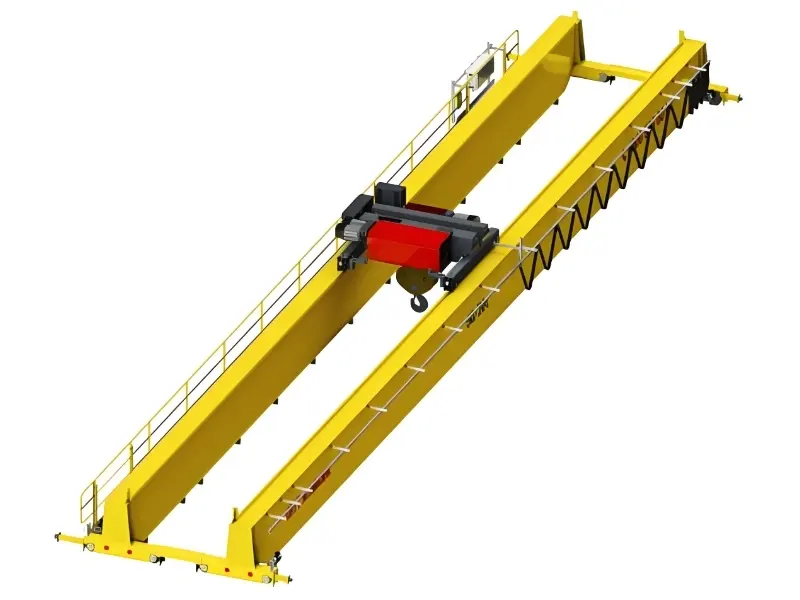
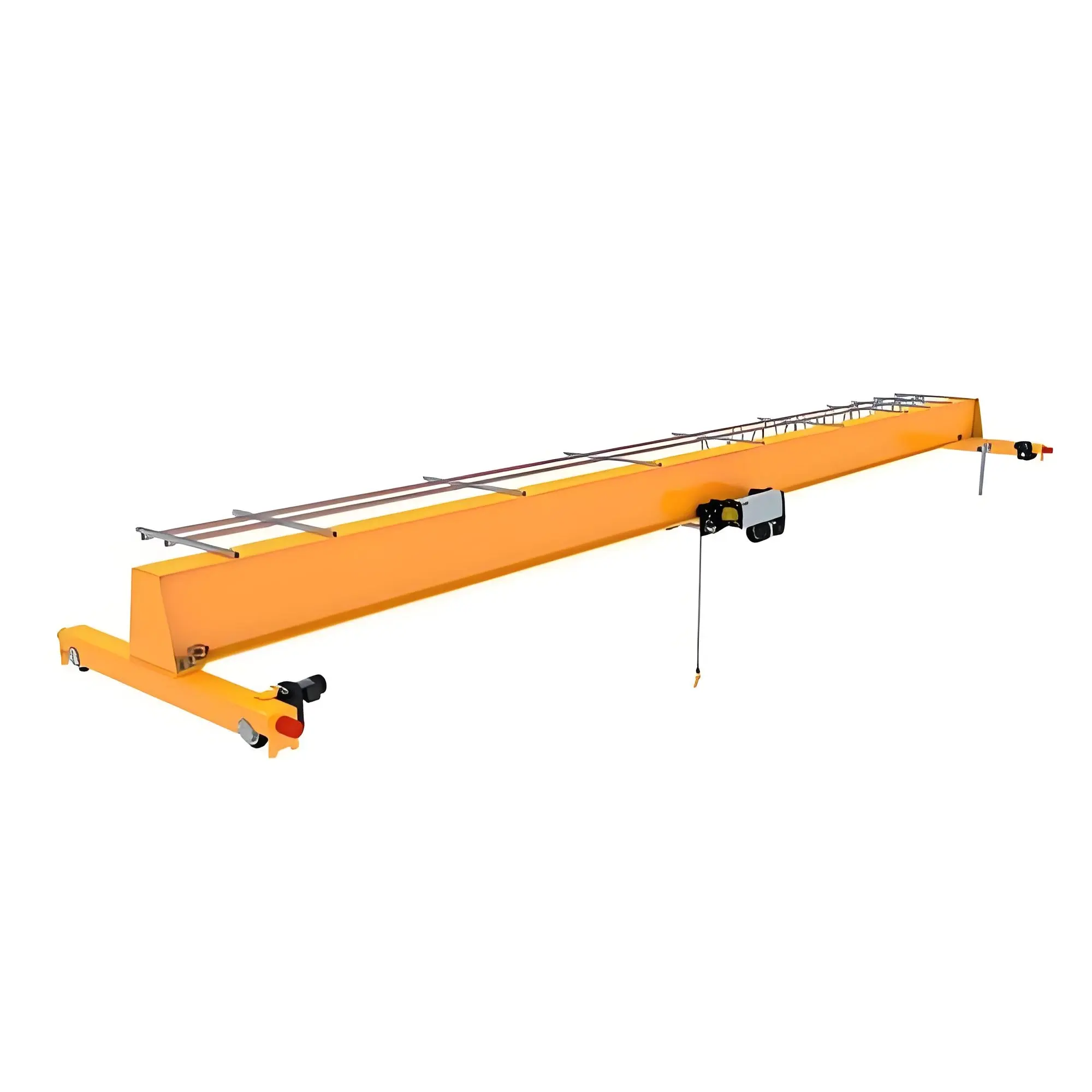
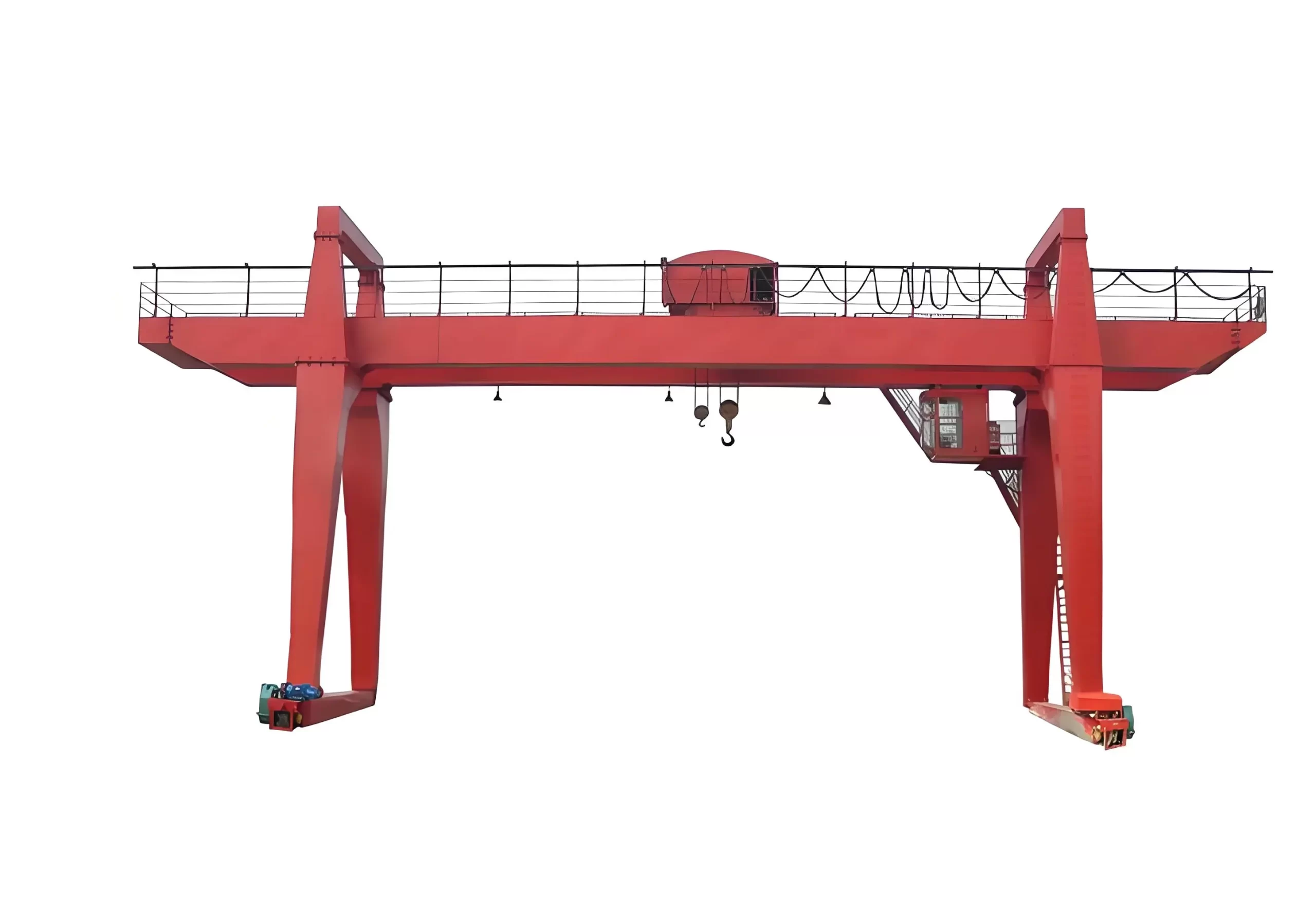
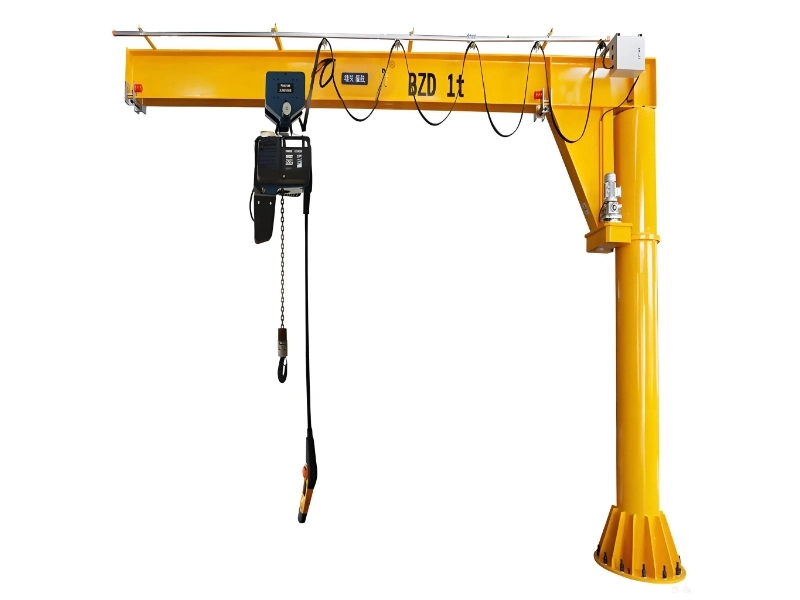
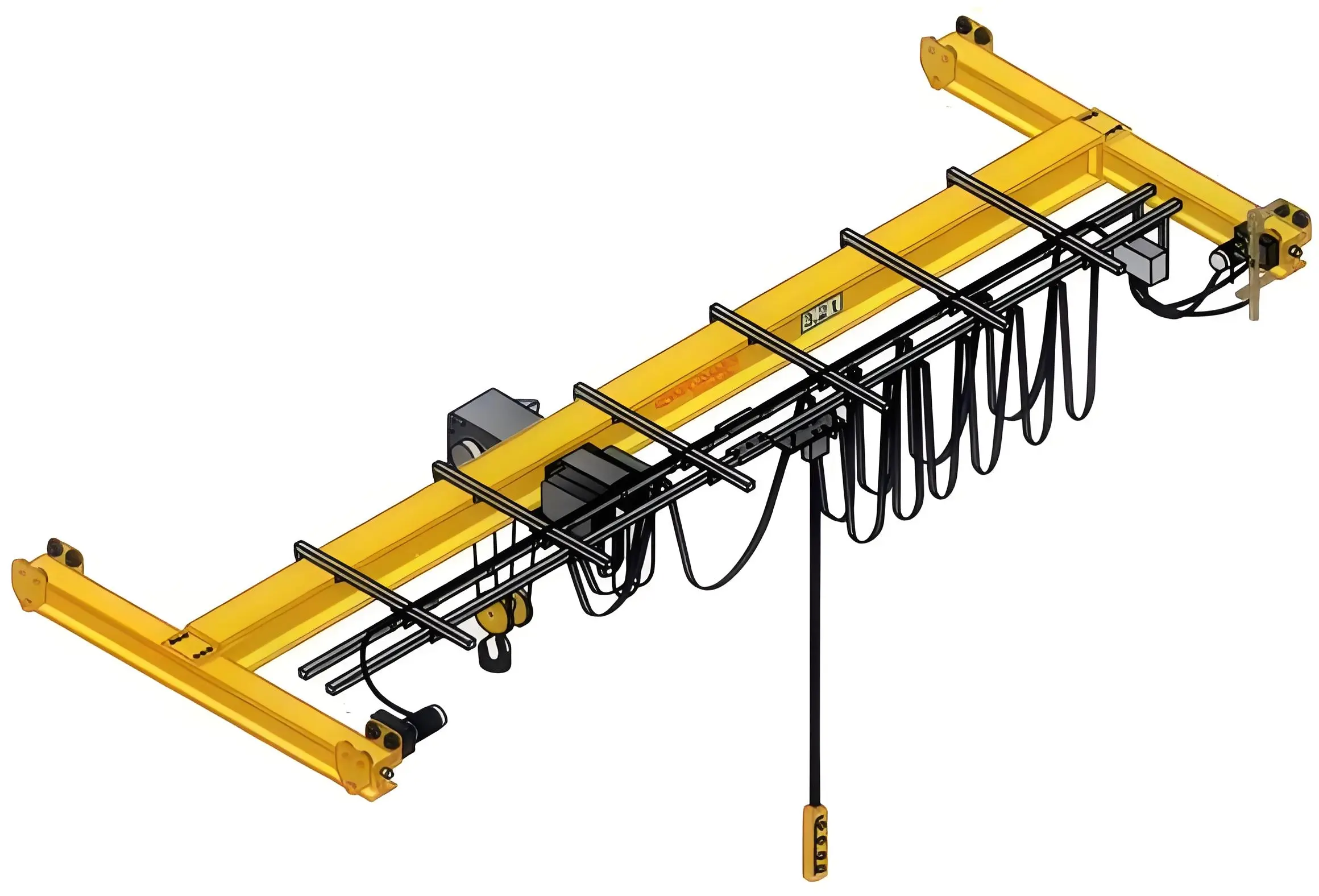
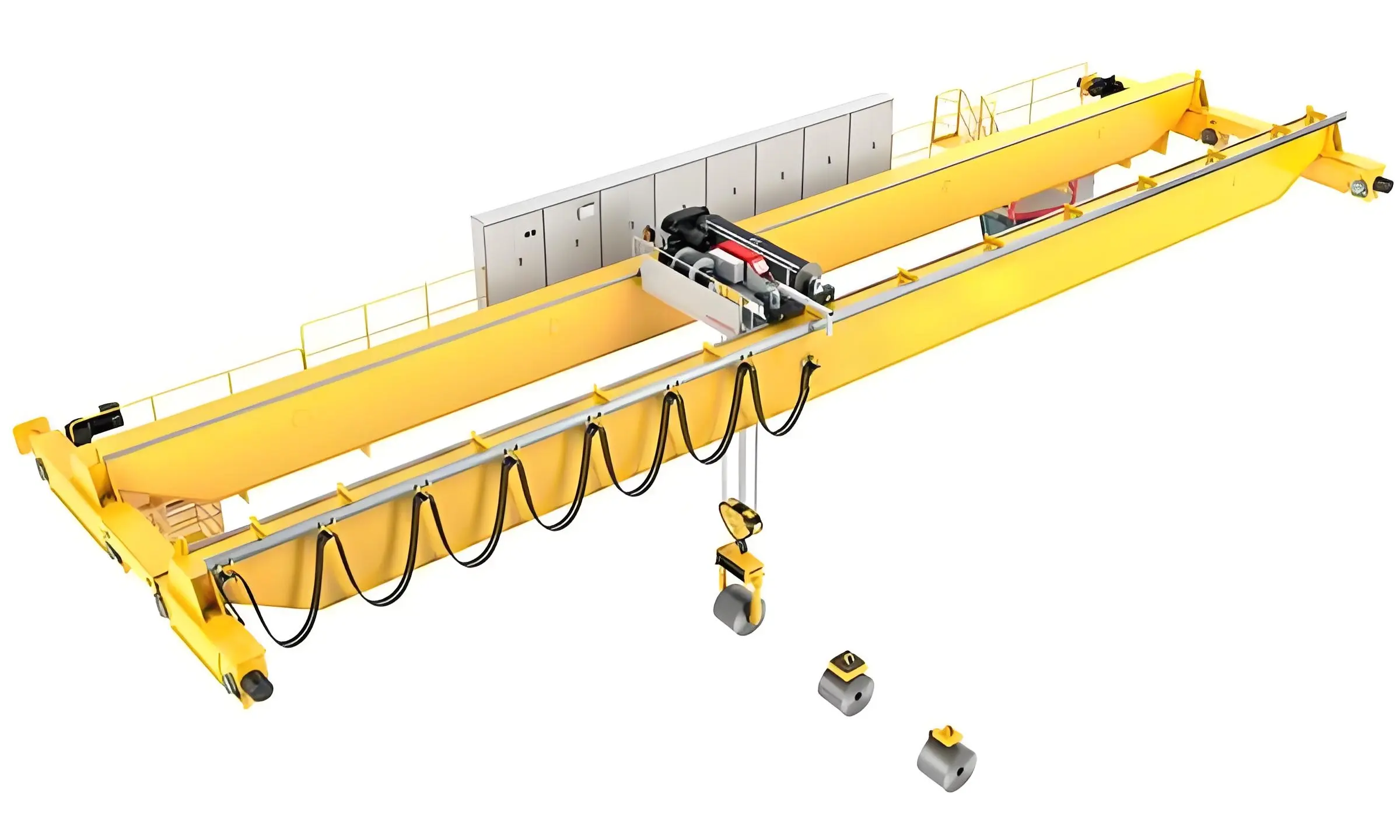
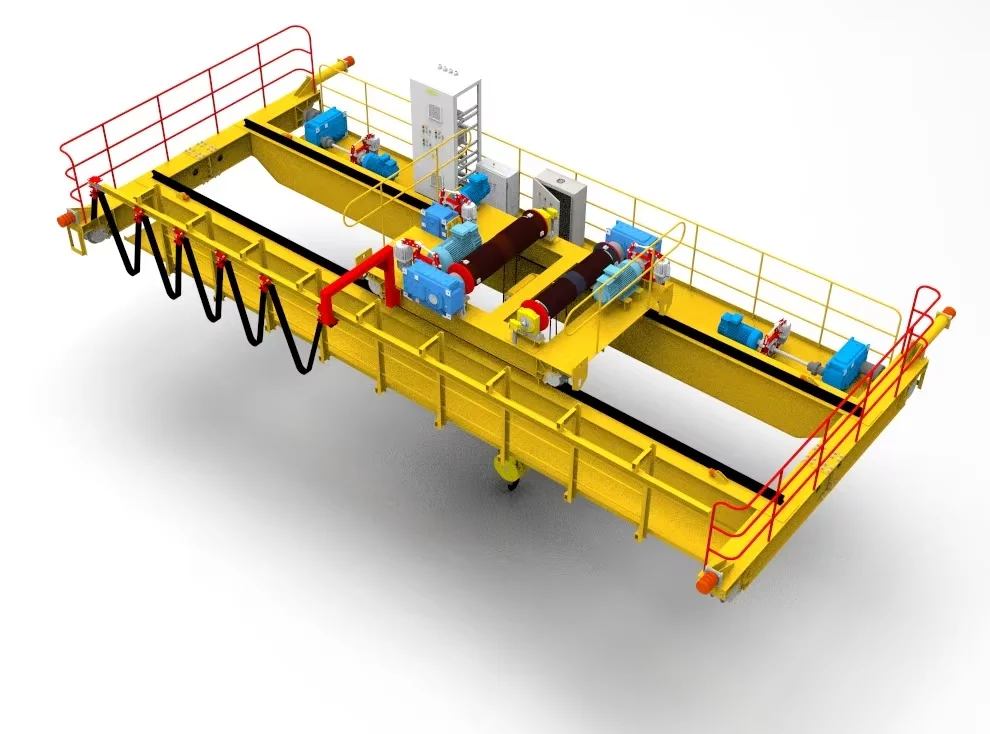
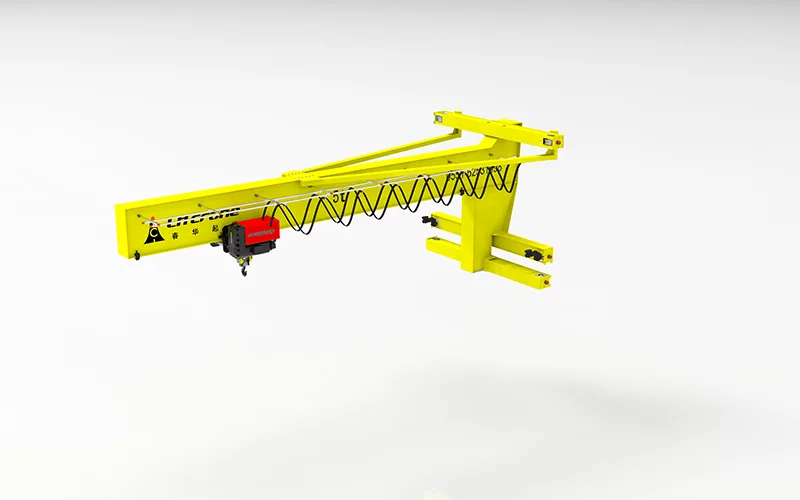
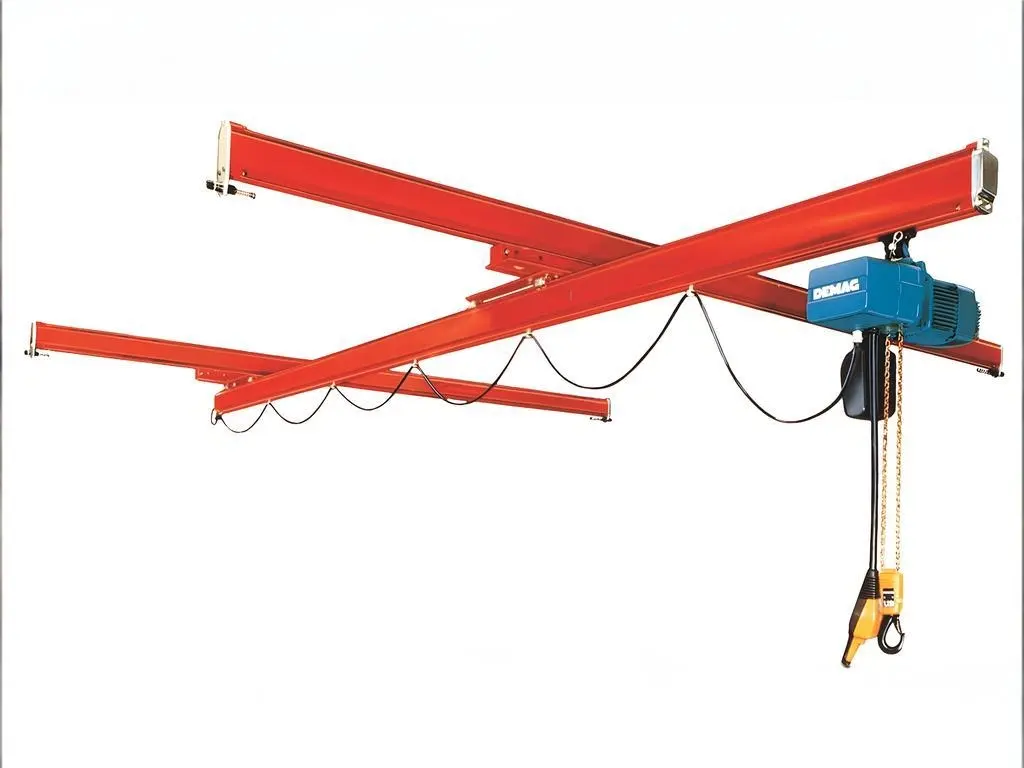
With the acceleration of Industry 4.0, the manufacturing industry in 2025 will place higher demands on production efficiency. When building or upgrading logistics and handling systems, single girder cranes, with their compact structure, light weight, and high cost-effectiveness, have become the preferred choice for lightweight operations in SMEs and large factories.
However, how can you select equipment that meets the needs of high-intensity operations while reducing long-term operating costs within a limited budget? This guide will provide an in-depth analysis.
Define Your Needs: Finding the Most Suitable Industrial Lifting Solution
Before purchasing, do not blindly pursue high configurations. Instead, choose an industrial lifting solution based on the actual working conditions of your factory. Single girder cranes are generally suitable for scenarios with lifting capacities between 1t and 20t and relatively small spans.
Space Utilization: If your factory has limited headroom, it is recommended to choose a low-headroom single girder crane. This design maximizes hook travel.
Operating Frequency: Different operating levels (e.g., A3 or A5) directly impact equipment lifespan. Production lines with frequent operations require higher-level motors and reducers.
Performance Core: Balancing Automation and Durability
In 2025 market trends, automated single cranes are no longer exclusive to large enterprises. Introducing automation elements into single-girder cranes is key to improving efficiency:
Variable Frequency Drive (VFD) Control System: Achieves stepless speed regulation, reducing swaying during lifting. This not only protects precision workpieces but also significantly reduces mechanical shock, creating a highly durable crane.
Intelligent Monitoring Module: Monitors load and operating status in real time, preventing overload risks and shifting maintenance from “reactive repair” to “preventative maintenance.”
Cost Control: Focus on Total Life Cycle Cost (TCO)
Many purchasers often only look at the “initial purchase price,” neglecting subsequent costs. An efficient procurement plan should focus on the following three points:
Energy Efficiency: Selecting motors with high protection ratings (IP55 and above) and high energy efficiency ratings can save significant electricity costs over long-term operation.
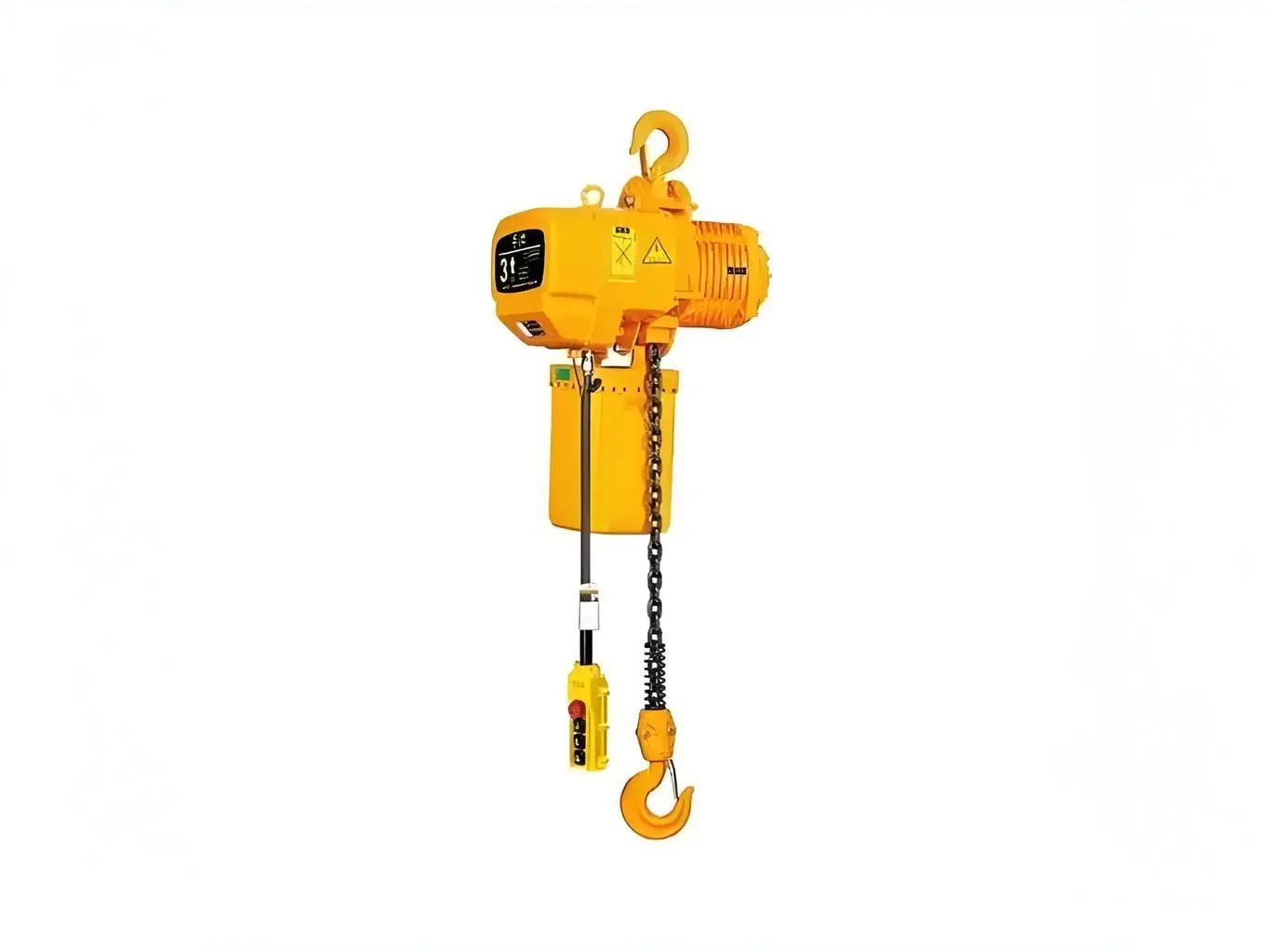
Maintainability: High-quality single-girder cranes should have standardized parts. Choosing core components from reputable brands (such as wire rope hoists or electrical components) ensures easy access to spare parts for the next 10 years.
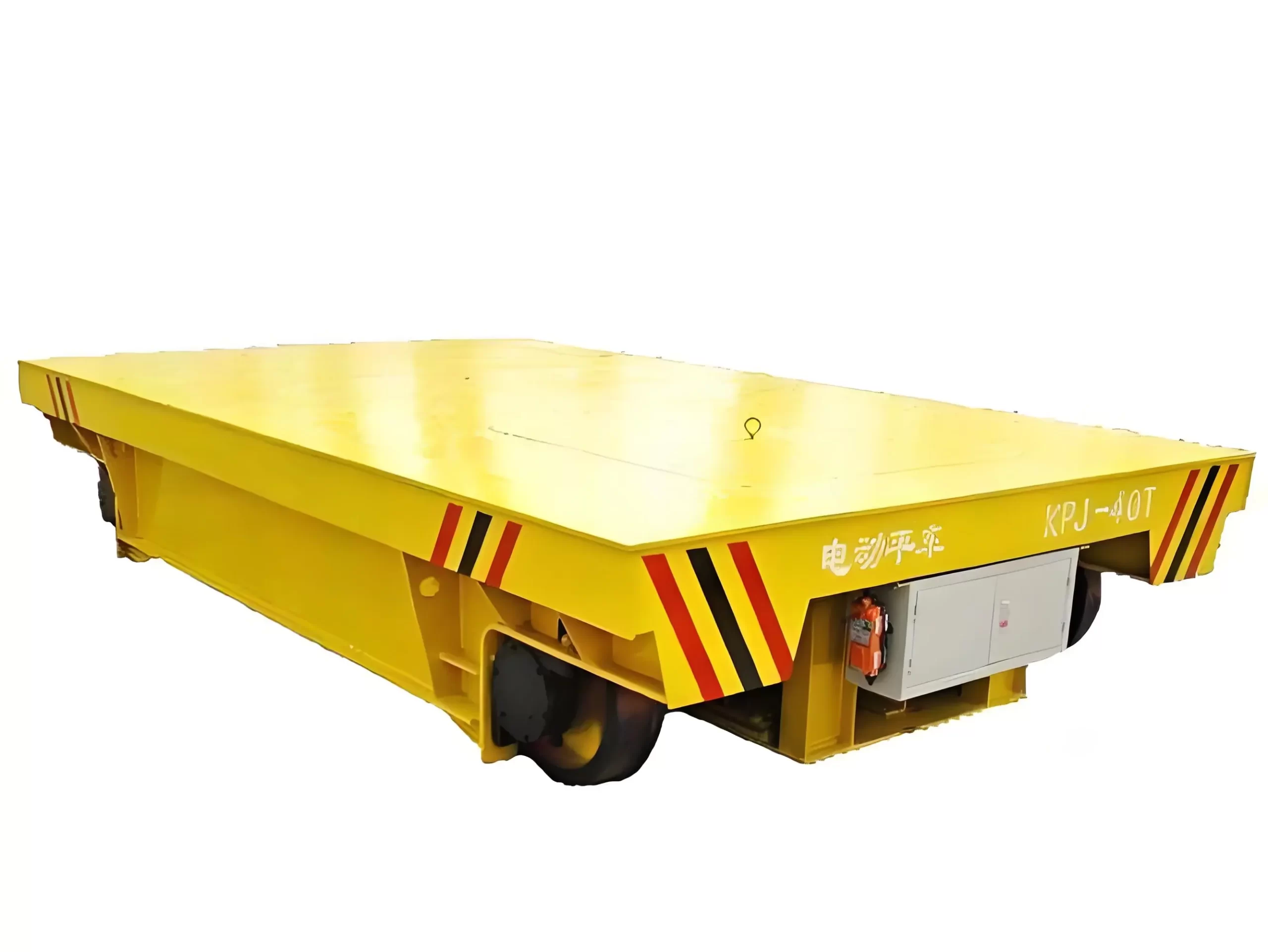
Installation and Transportation: Modularly designed cranes not only facilitate transportation but also shorten on-site installation and commissioning cycles, allowing production lines to be operational as soon as possible.
2025 Procurement Trends: Green and Safety
Environmental compliance has become a key indicator for industrial procurement. Green cranes reduce the load on factory structures by reducing their own weight, thereby reducing the use of building materials. Meanwhile, comprehensive safety features—such as infrared anti-collision devices, audible and visual alarms, and emergency power-off switches—are the bottom line for ensuring safe production.
Summary
Choosing a single-girder crane is not just buying a machine, but choosing a partner that can support business growth. By combining automation technology, focusing on equipment durability, and comprehensively evaluating industrial lifting solutions, you can achieve optimal handling efficiency while ensuring your budget remains within budget.