


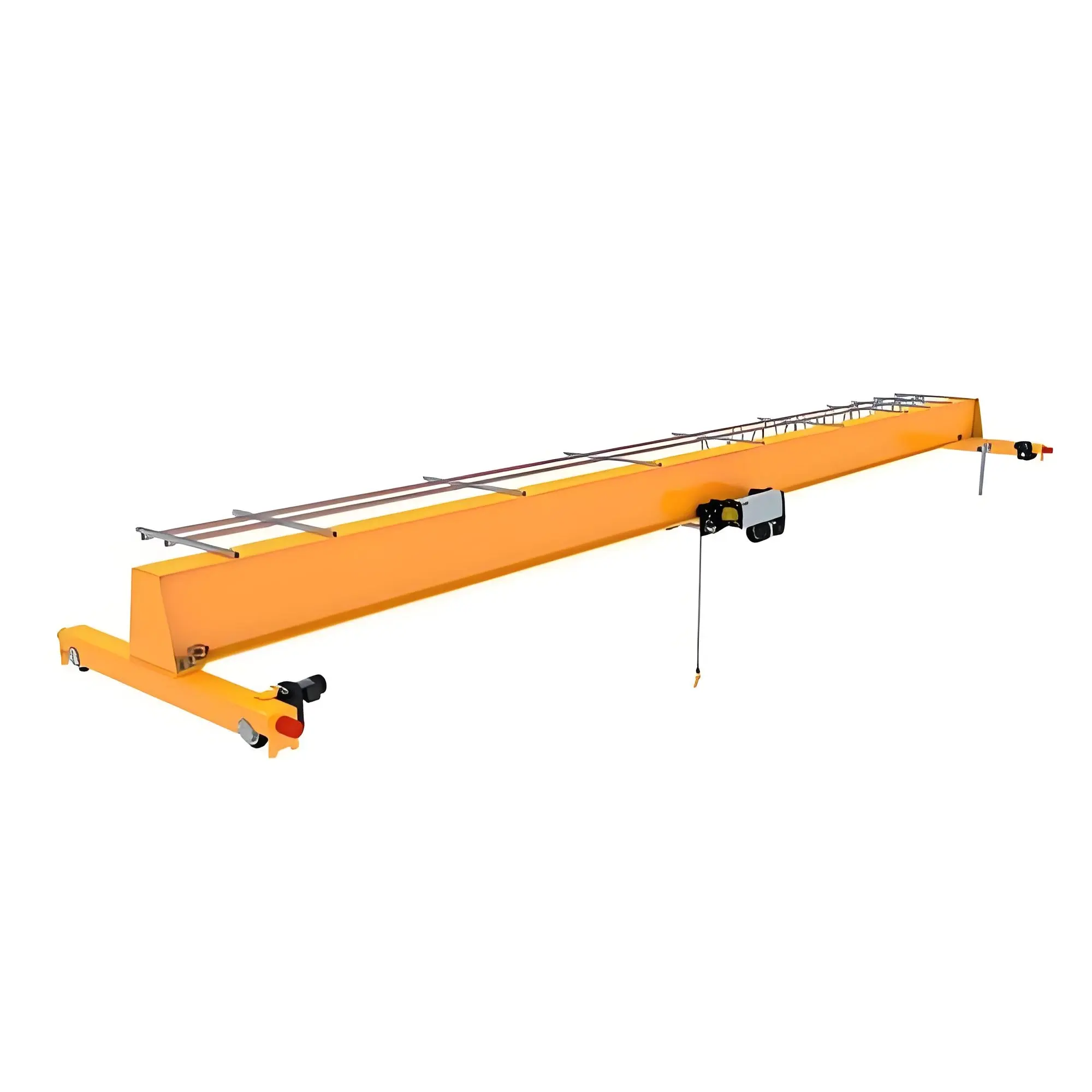
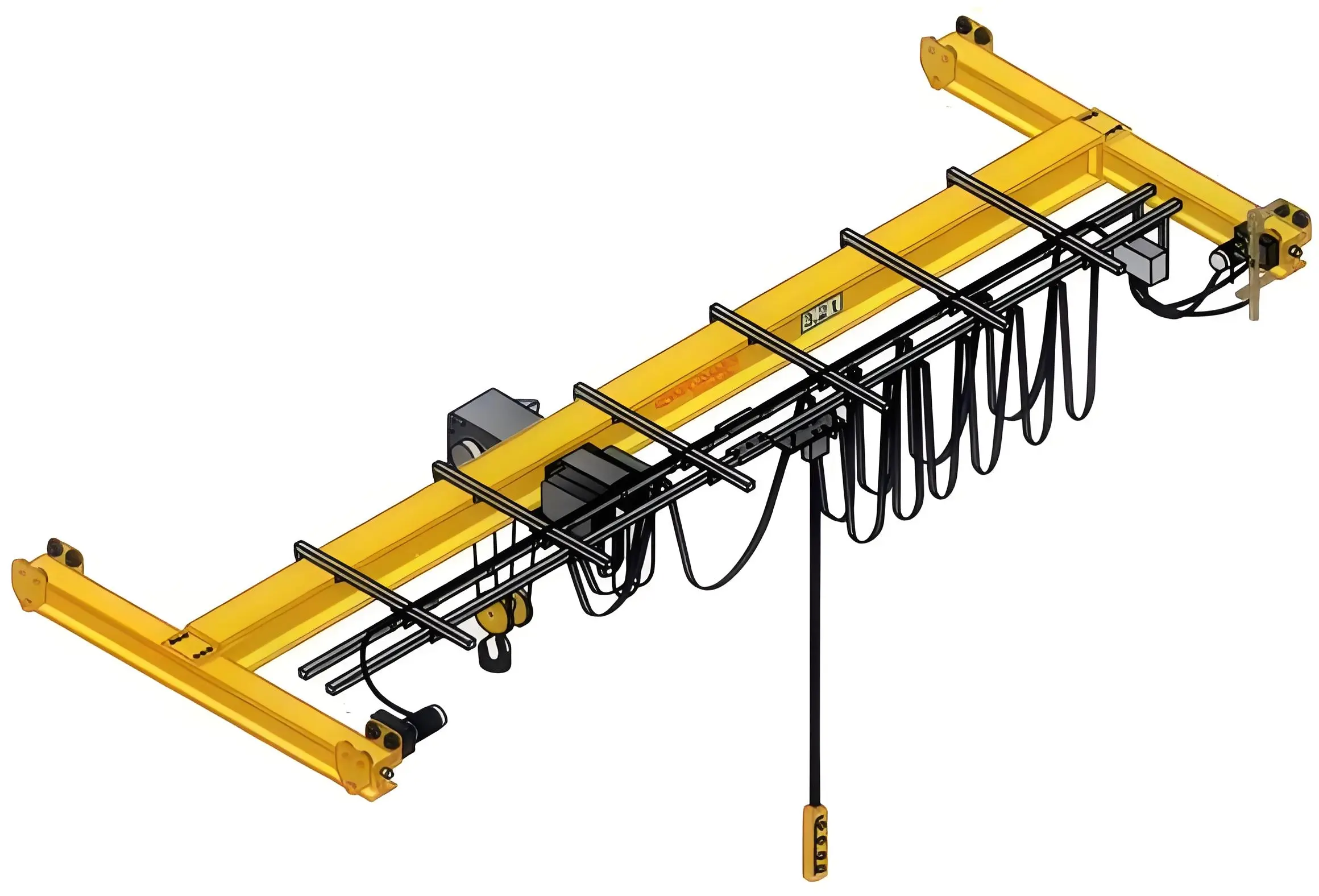
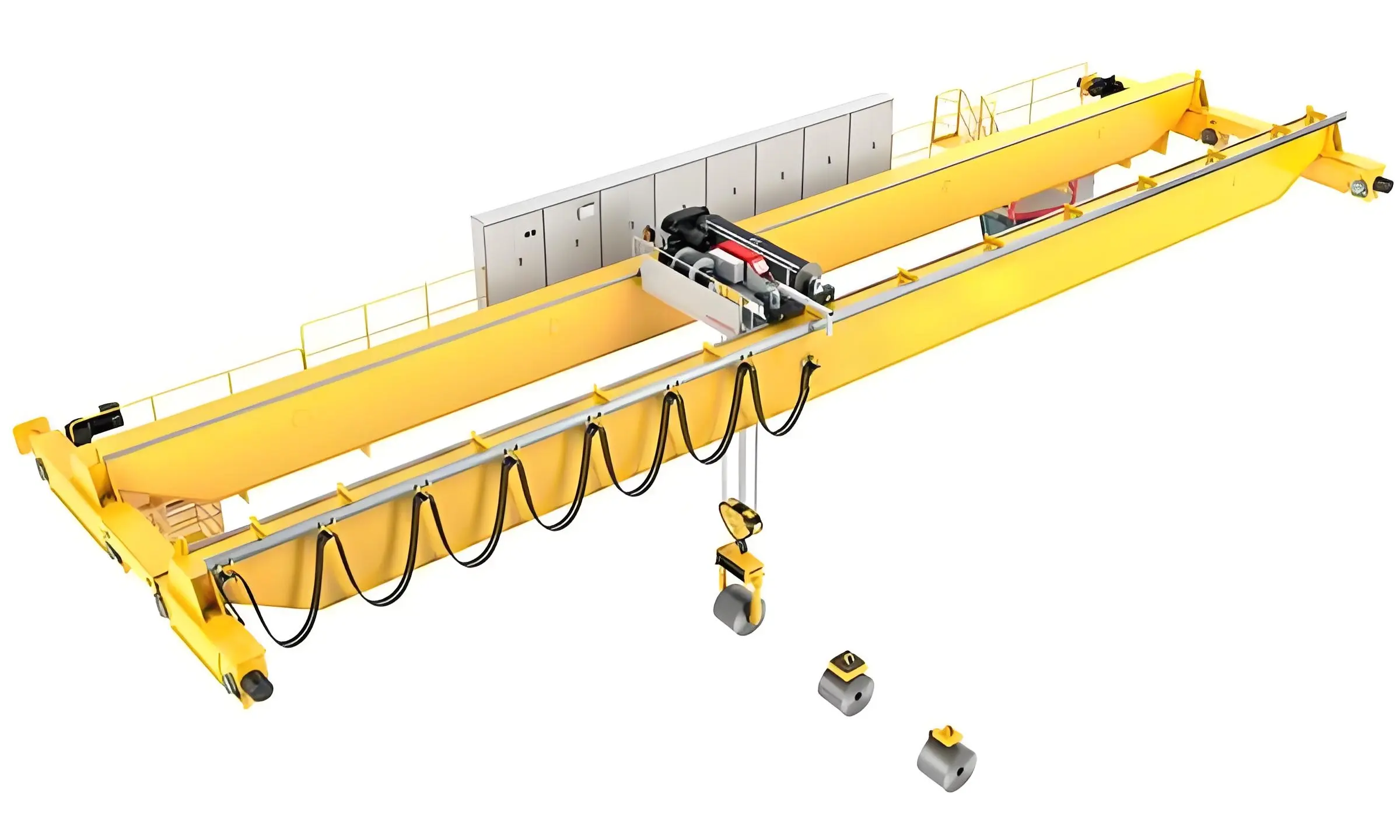
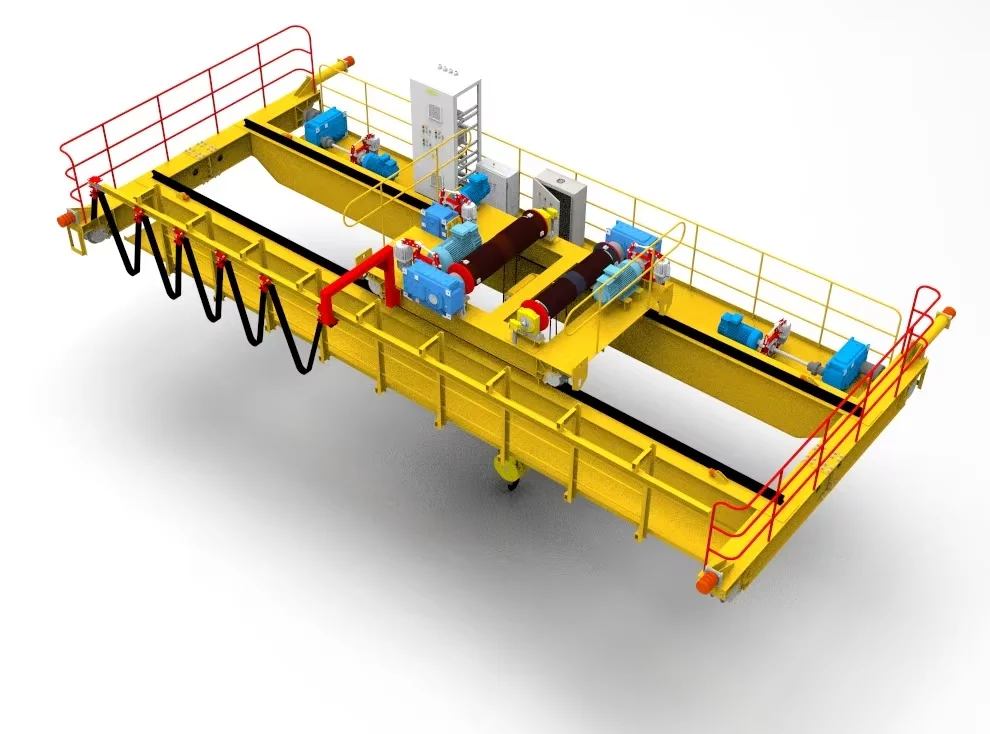
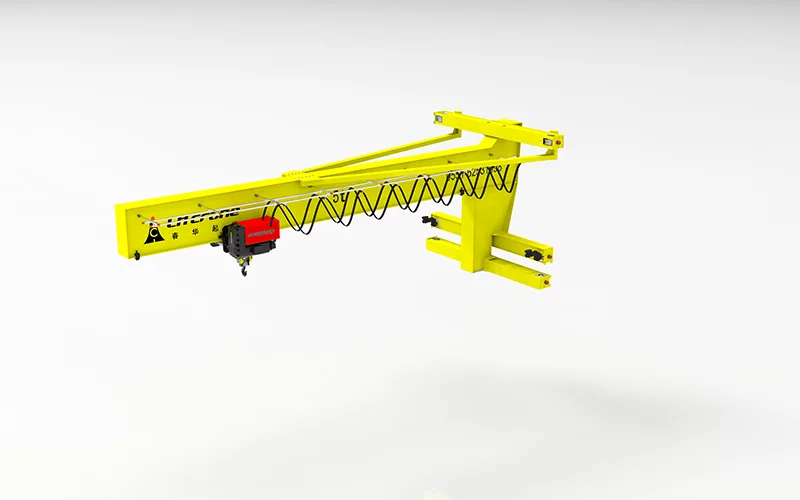
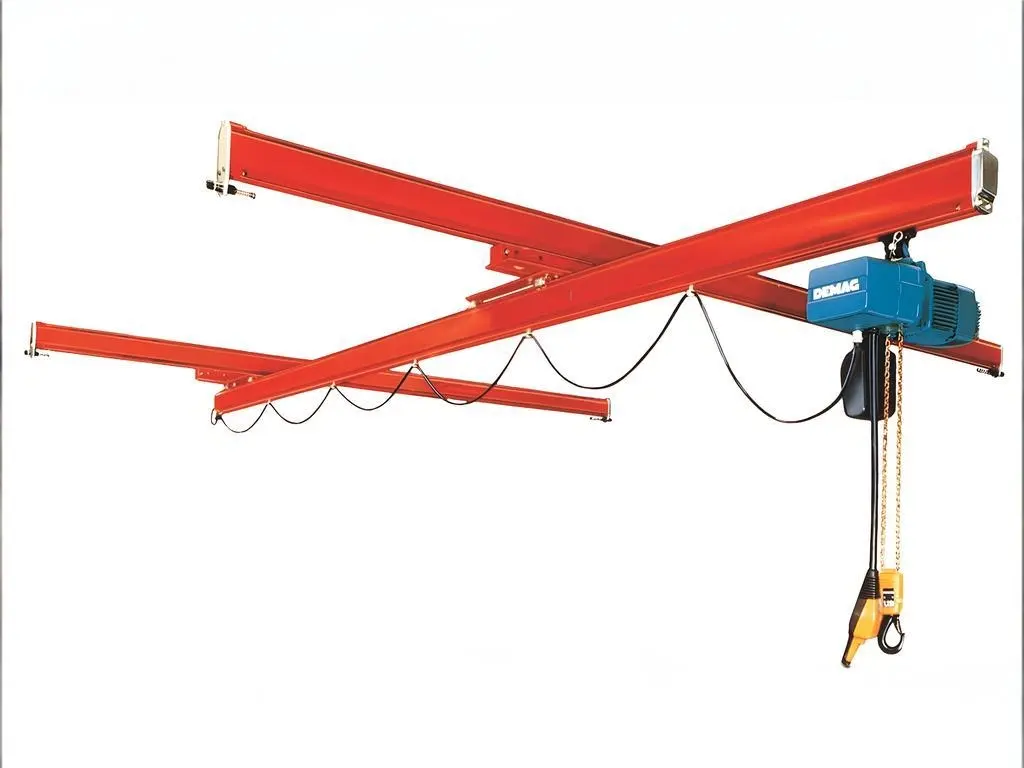
In modern industrial production, single girder cranes are the efficient arteries of workshop logistics. However, even the most sophisticated equipment requires proper maintenance. As a highly safe type of crane, its stable operation depends not only on manufacturing quality but also on the intensity of daily maintenance.
To help companies reduce downtime risks and extend equipment lifespan, we have compiled this detailed maintenance checklist and troubleshooting guide.
Single Girder Crane Daily Checklist
Preventative maintenance is key to ensuring production continuity. As a professional industrial crane supplier, we recommend that operators perform a “look, listen, and test” routine before starting the crane each day:
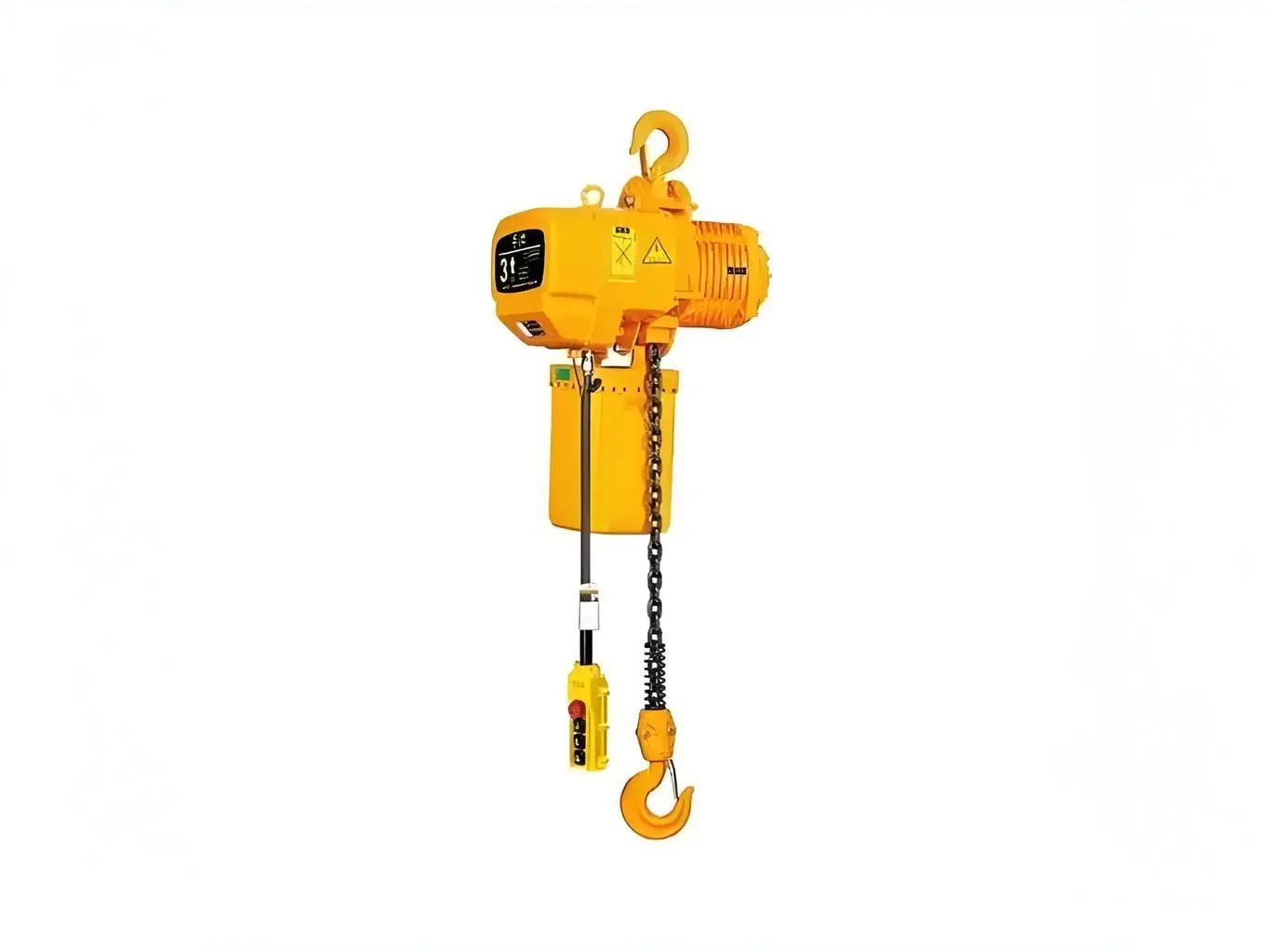
Wire Rope and Hook Inspection: Check the wire rope for broken strands, wear, or kinks, and ensure the hook’s anti-disengagement device is intact.
Brake System Verification: Run the crane under no-load conditions to ensure the brakes are sensitive, reliable, and free from slippage.
Track Cleaning: Check the tracks for obstructions or oil buildup to prevent slippage or track wear.
Electrical Connection Confirmation: Check that the control handles and wireless remote control buttons return to their normal position. For simple-to-operate single cranes, maintaining the sensitivity of the control system is paramount for safe operation.
Common Troubleshooting Guide
Even high-performance equipment may experience minor malfunctions under prolonged high-load operation. Here are some typical situations and solutions:
Hoisting Motor Unresponsive
Possible Causes: Phase loss in power supply, emergency stop switch not released, or blown fuse.
Solution: Check if the sliding contact line segmented power supply is normal, and reset the emergency stop switch.
Excessive Brake Slippage
Possible Causes: Severely worn brake rings or insufficient spring pressure.
Solution: Adjust the brake clearance or replace the friction pads to ensure high positioning accuracy during lifting.
Abnormal Noise During Operation
Possible Causes: Insufficient oil in the reducer or damaged bearings.
Solution: Add lubricating oil promptly and check the wear of critical load-bearing components.
How to Improve the Long-Term Safety of Equipment?
Choosing a reliable industrial crane supplier can reduce maintenance costs from the outset. Modern single-girder cranes are typically equipped with intelligent diagnostic systems that record operating data in real time.
Regular Lubrication: Periodic lubrication of bearings and gearboxes is the simplest and most effective way to maintain the durability of a crane.
Professional Annual Inspection: In addition to routine inspections, a professional organization should be invited annually to conduct non-destructive testing on metal structures (such as main beam welds).
Summary
A standardized maintenance checklist not only ensures the safety of operators but also saves the company significant maintenance costs in the long run. With its ease of operation and high space utilization, the single-girder crane, when combined with scientific maintenance, will undoubtedly become the most reliable productivity source in your factory.