


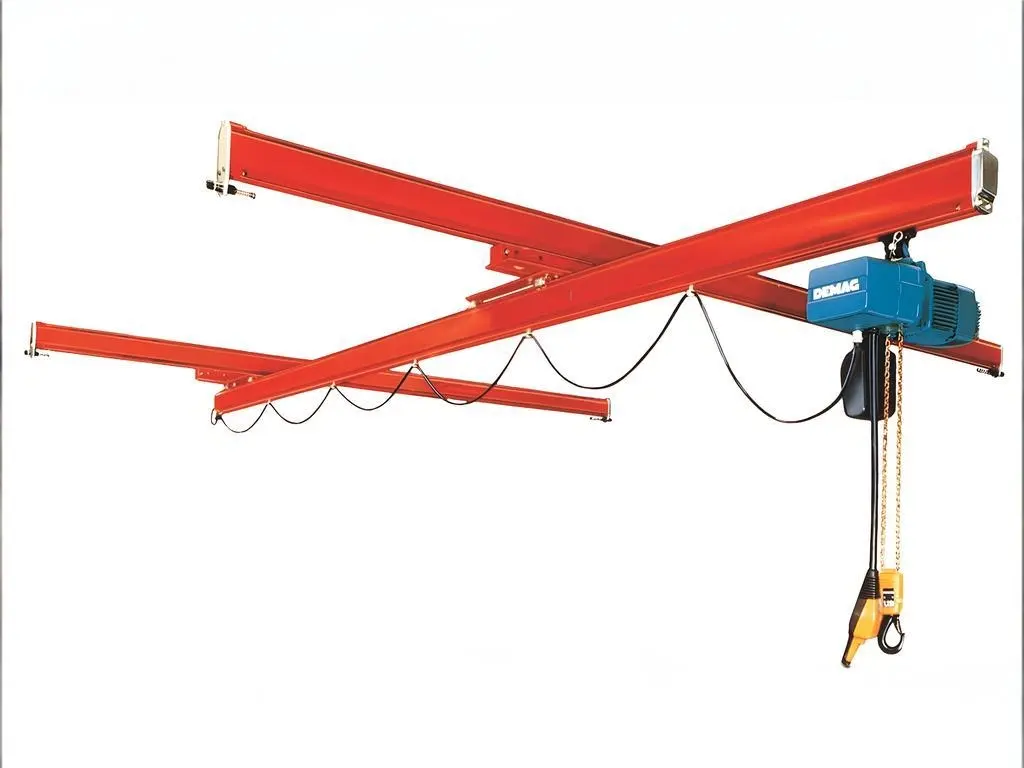
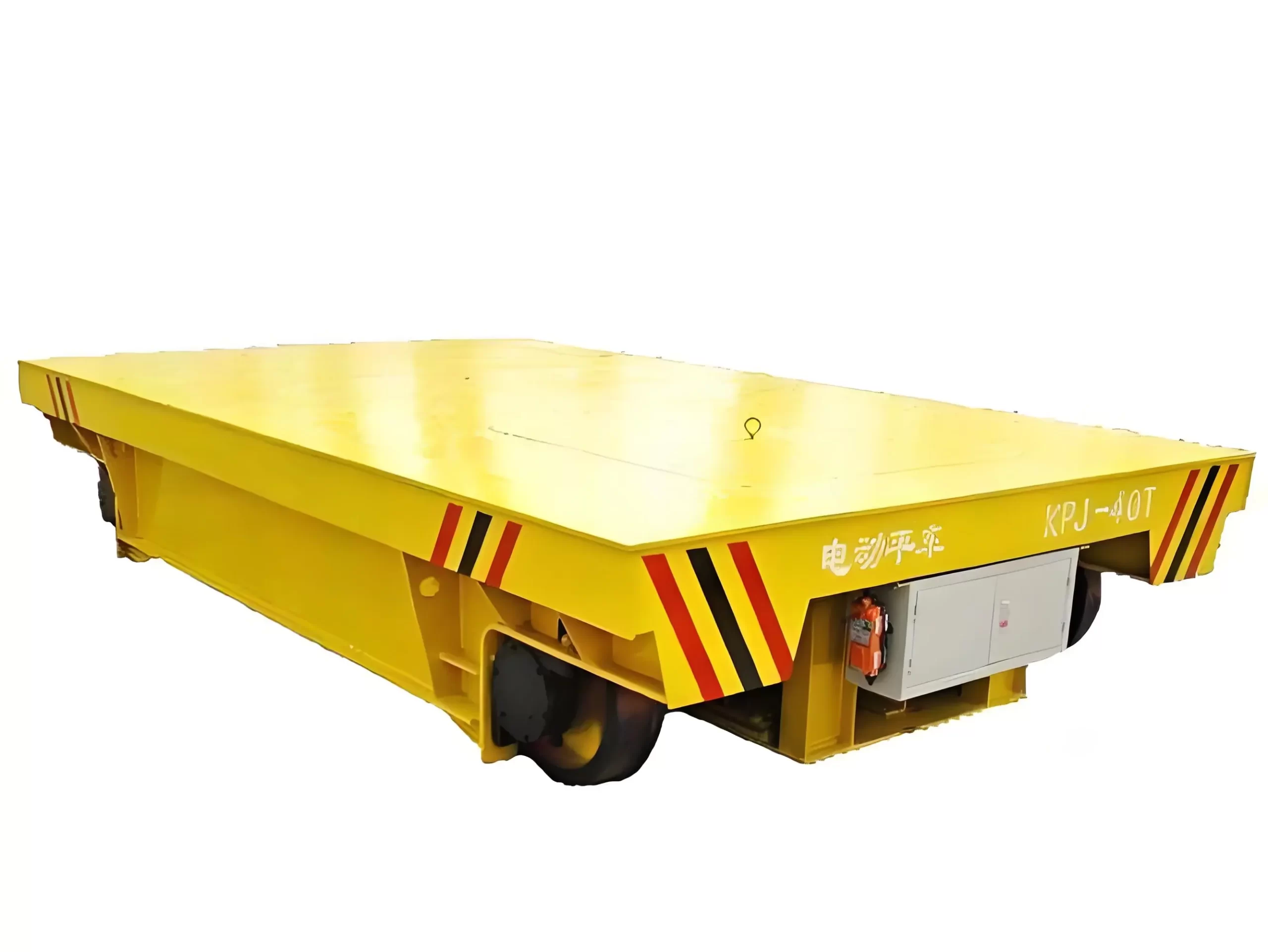
An overhead crane, also known as a bridge crane or overhead traveling crane, is a type of lifting equipment designed to move and handle heavy materials within a defined working area. It is commonly installed in workshops, factories, warehouses, manufacturing plants, power plants, and other industrial facilities.
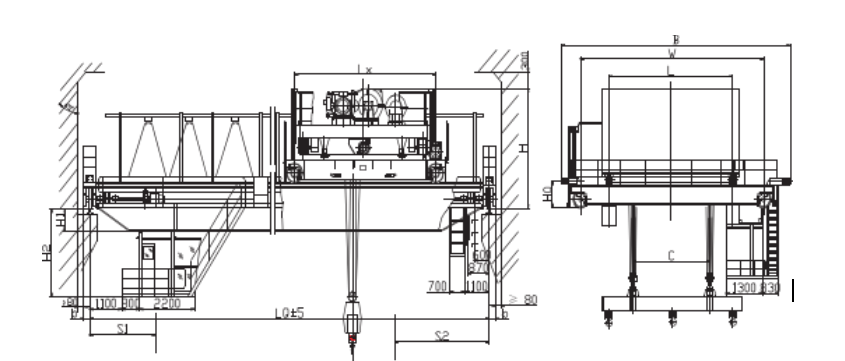
The crane typically consists of a bridge structure supported by end trucks that travel along elevated runway rails. A trolley and hoisting mechanism move along the bridge, allowing loads to be lifted vertically and transported horizontally. Because the crane operates above the working floor, it can make effective use of overhead space without occupying valuable floor area.
How Does an Overhead Crane Work?
An overhead crane performs material handling through three basic movements:
Lifting and lowering: The hoist raises or lowers the load using a wire rope or chain.
Cross travel: The trolley moves along the bridge to position the load across the width of the working area.
Long travel: The end trucks move the entire bridge along the runway rails, allowing the load to travel along the length of the workshop.
By combining these movements, an overhead crane can transport materials to different positions within its designated working area.
Main Components of an Overhead Crane
A complete overhead crane system consists of several important mechanical, electrical, and structural components.
1. Hoisting Mechanism
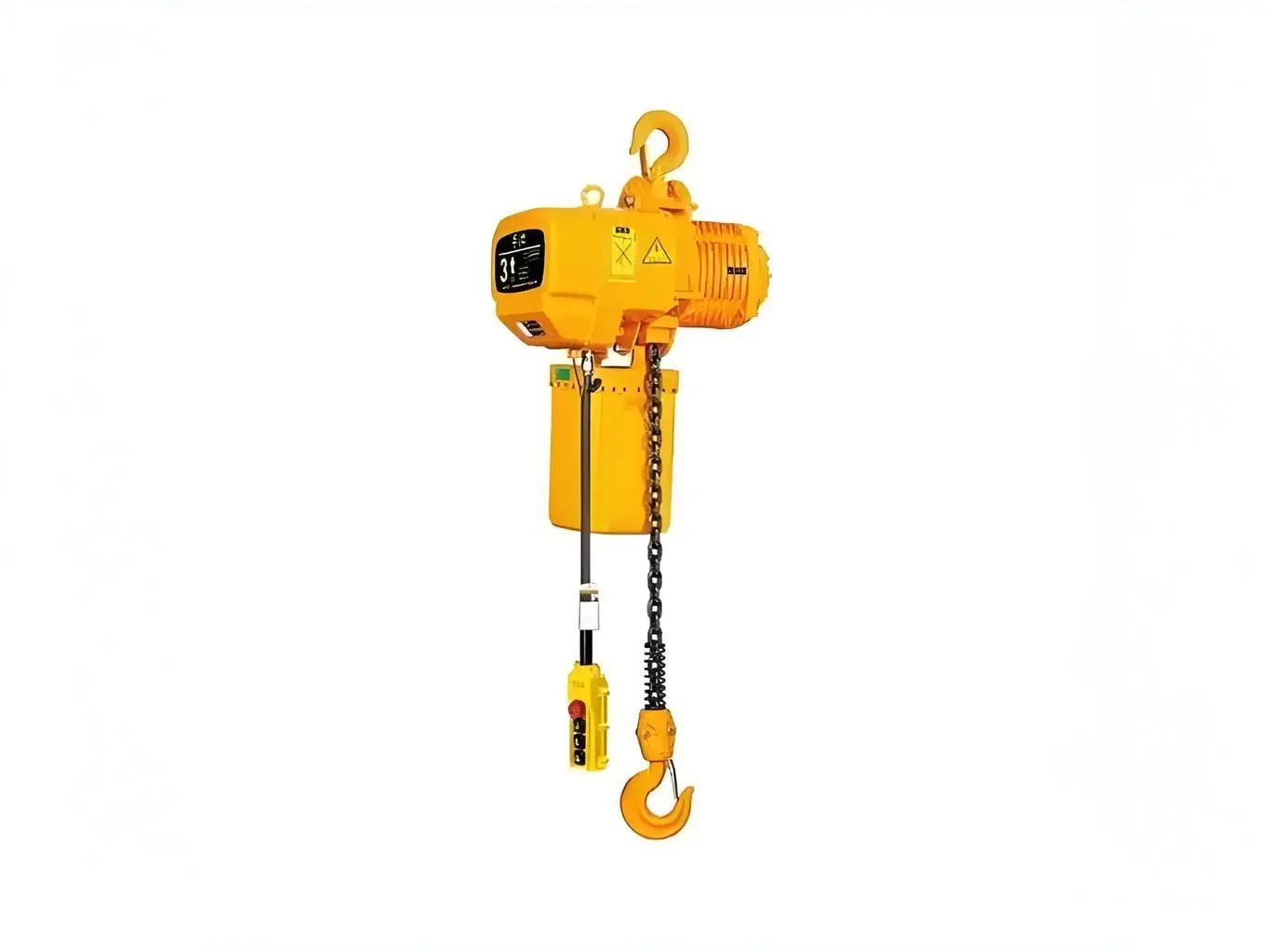
The hoist is responsible for lifting, holding, raising, and lowering the load. Depending on the crane design and application, the hoisting system may use a wire rope or chain. Electric hoists are commonly used for industrial overhead cranes because they provide efficient and controllable lifting performance.
2. Trolley
The trolley carries the hoisting mechanism and travels along the bridge girder. Its movement allows the load to be positioned across the width of the crane’s working area.
The trolley may be equipped with variable-frequency control to provide smooth acceleration, deceleration, and positioning.
3. Bridge
The bridge is the main load-bearing structure of an overhead crane. It spans the width of the workshop and supports the trolley and hoisting mechanism.
Depending on the required lifting capacity and working conditions, the bridge can be designed as either a single girder or double girder structure.
4. End Trucks
End trucks are located at both ends of the bridge. They are equipped with traveling wheels and drive systems that allow the entire bridge to move along the runway rails.
The number and configuration of wheels depend on the crane’s lifting capacity, span, wheel load, and structural design.
5. Runway System
The runway system provides the traveling path for the overhead crane. It generally consists of runway beams and rails installed along both sides of the building.
The crane travels longitudinally along these elevated rails, allowing it to cover a large working area without occupying floor space.
6. Buffers
Buffers are safety components installed on the crane, trolley, or runway system. They absorb impact energy when the crane or trolley approaches the end of its permitted travel range.
This helps reduce collision forces and protects the crane structure and traveling system.
7. Control System
The control system manages the lifting, lowering, trolley travel, and crane travel operations.
Depending on the application, an overhead crane can be controlled by:
Pendant push-button control
Radio remote control
Operator cabin
PLC-based control system
Variable-frequency drive (VFD)
Modern control systems can also integrate overload protection, limit switches, anti-sway functions, load monitoring, and other safety or automation features.
8. Electrification System
The electrification system supplies electrical power to the crane and its moving components. Common solutions include insulated conductor rails, busbar systems, and cable systems.
A reliable power supply is essential for maintaining stable crane operation and ensuring the proper functioning of motors and control equipment.
Types of Overhead Cranes
Overhead cranes can be classified according to their structural configuration, lifting capacity, working conditions, and application requirements.
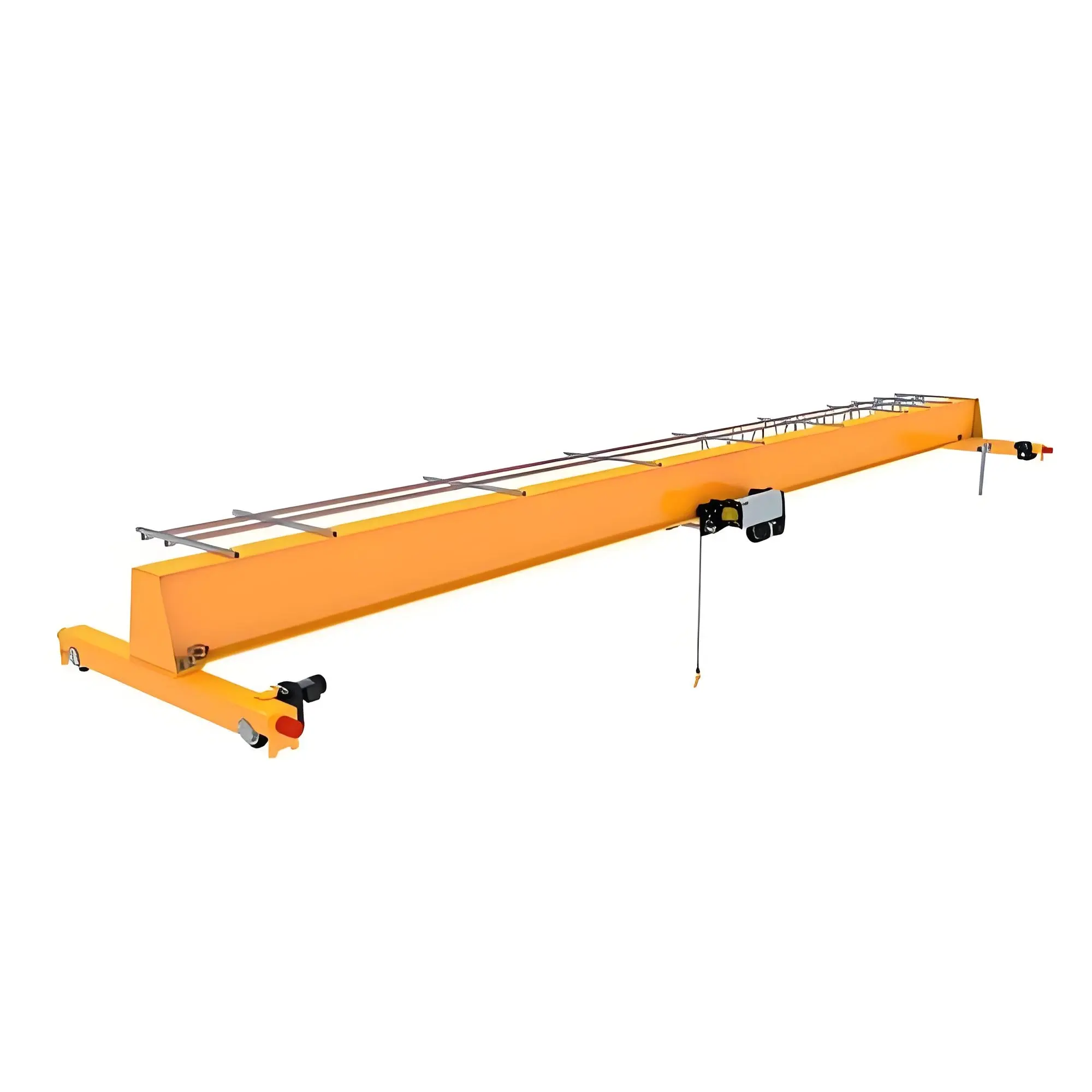
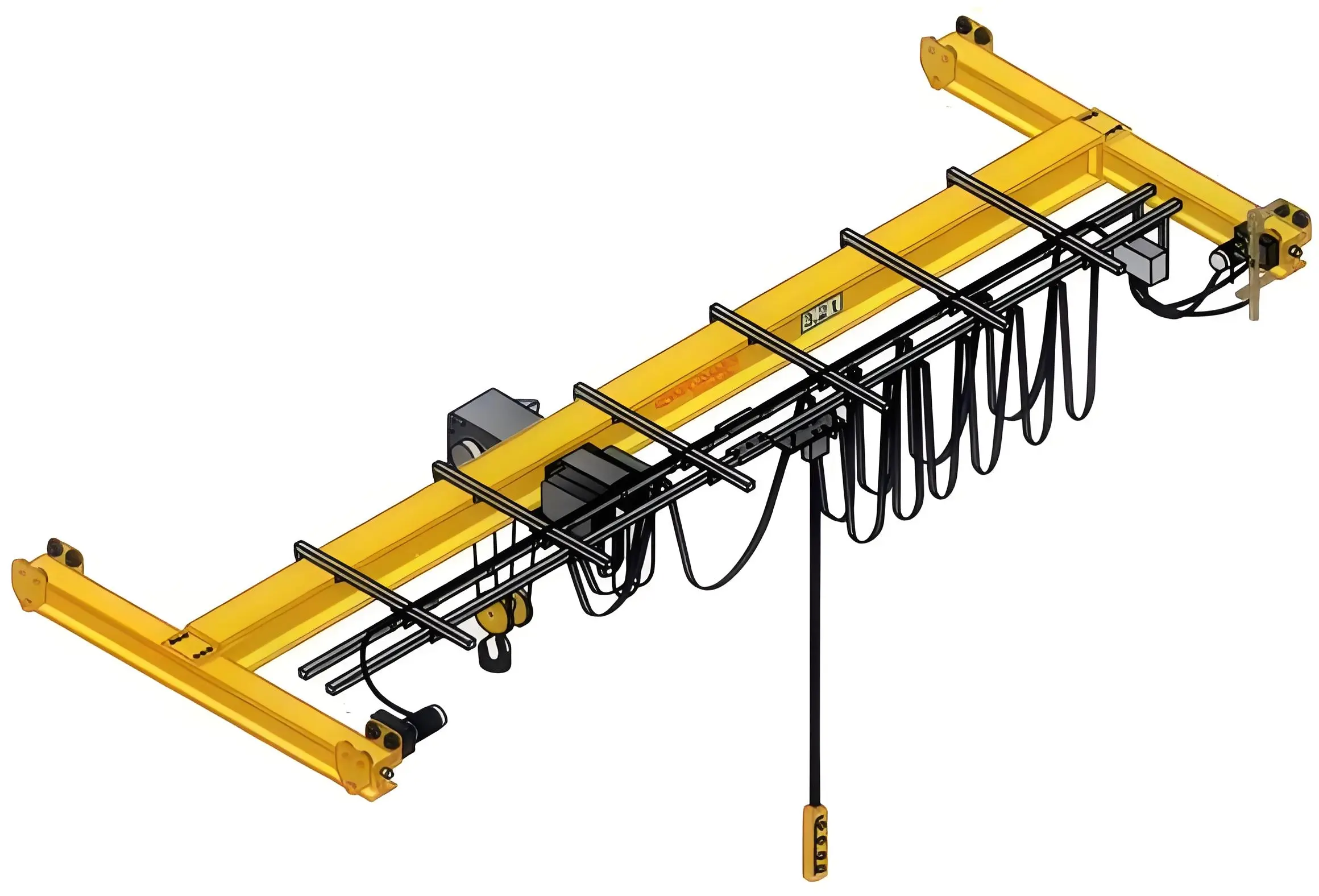
Single Girder Overhead Crane
A single girder overhead crane uses one main bridge girder to support the trolley or electric hoist.
It has a relatively simple structure, compact design, and lower overall weight. Single girder cranes are commonly used for light- to medium-duty material handling in manufacturing plants, warehouses, workshops, and maintenance areas.
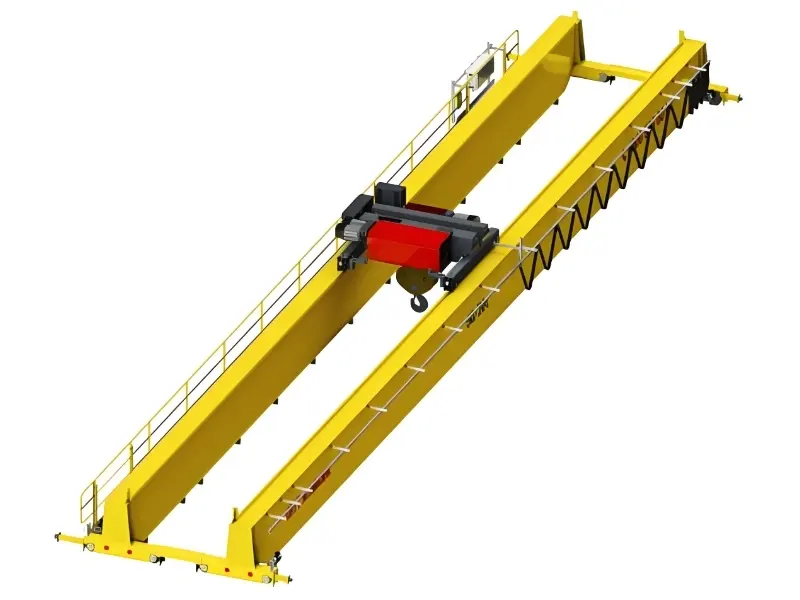
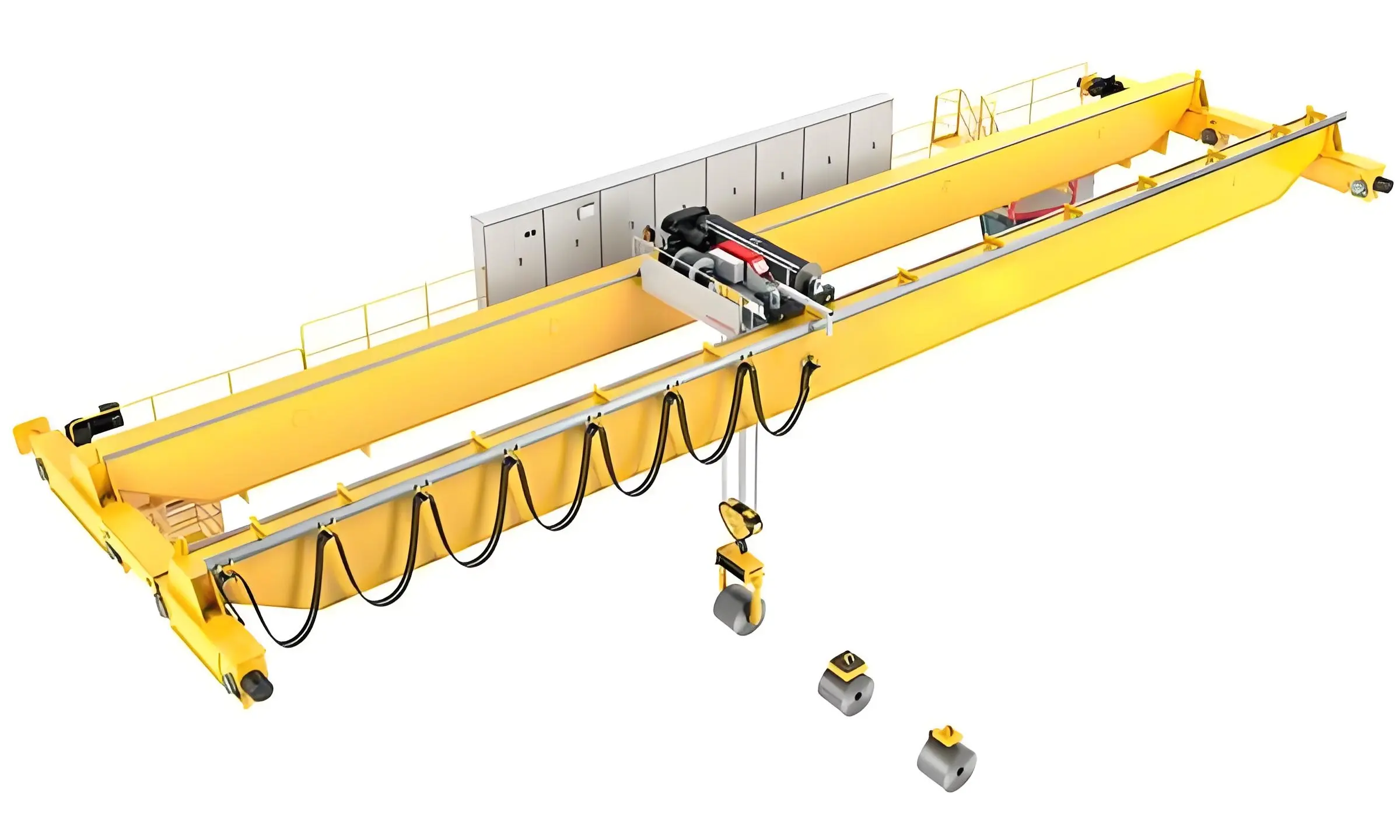
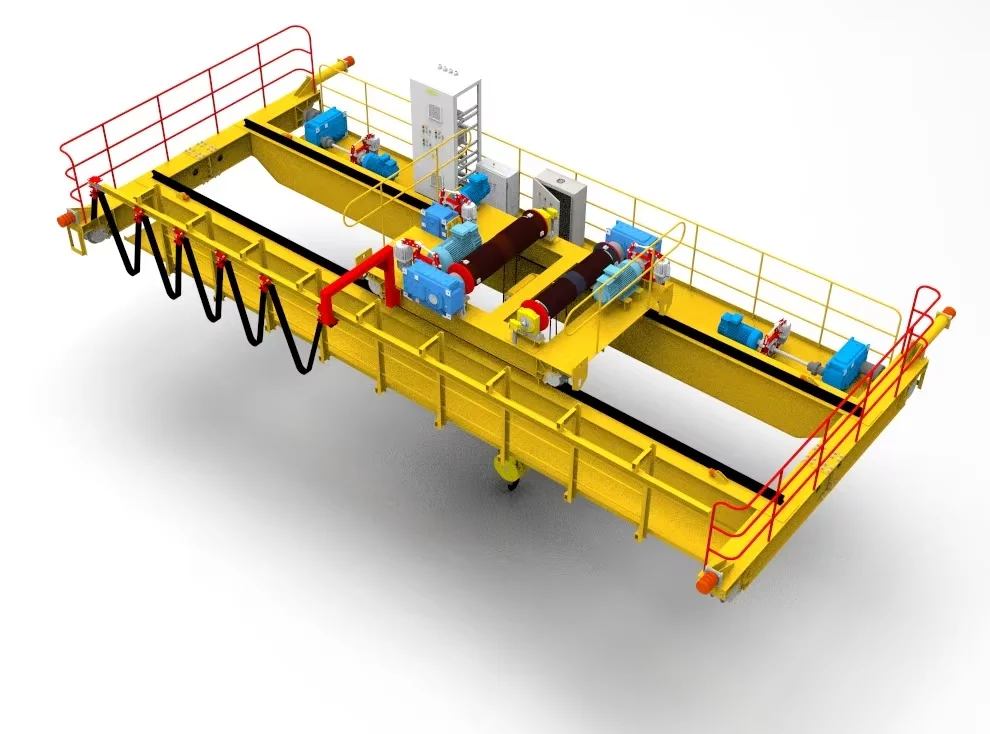
Double Girder Overhead Crane
A double girder overhead crane uses two main bridge girders. The trolley and hoisting mechanism are generally installed on top of or between the two girders according to the crane design.
Compared with single girder cranes, double girder cranes are suitable for higher lifting capacities, larger spans, greater lifting heights, and more demanding working conditions.
They are widely used in heavy manufacturing, steel processing, machinery production, power plants, warehouses, and other industrial applications.
European-Style Overhead Crane
European-style overhead cranes are designed around principles of lightweight construction, compact configuration, energy efficiency, and optimized performance.
Through structural optimization and advanced drive and control technologies, the crane can make better use of available workshop space while providing smooth operation and accurate positioning.
Underslung Overhead Crane
An underslung overhead crane runs on the lower flange of runway beams rather than on top of conventional runway rails.
This configuration can be useful where building height or available headroom is limited and where the existing building structure allows the required installation arrangement.
Advantages of Overhead Cranes
Overhead cranes offer several important advantages for industrial material handling.
Efficient Use of Space
Because the crane operates above the production floor, the area underneath can continue to be used for manufacturing, storage, vehicles, and other activities.
Heavy Load Handling
Overhead cranes can be designed for a wide range of lifting capacities. Double girder configurations are particularly suitable for heavy-duty applications.
Wide Working Coverage
The combination of bridge travel, trolley travel, and hoisting movement allows the crane to cover a large three-dimensional working area.
Improved Productivity
An overhead crane can move heavy materials efficiently between different production or storage locations, reducing dependence on manual handling and other floor-based equipment.
Enhanced Safety
Modern overhead cranes can incorporate overload protection, limit switches, emergency stop systems, brakes, buffers, and other safety devices. Remote control options can also allow operators to maintain a safer distance from the load.
Precise Material Handling
Variable-frequency drives and modern control systems allow smoother acceleration, deceleration, and positioning, which can help reduce load swing and improve handling accuracy.
Limitations of Overhead Cranes
Although overhead cranes are highly effective for industrial material handling, they also have some limitations.
Installation Requirements
An overhead crane requires suitable building structures, runway beams, rails, and sufficient vertical clearance. The existing workshop structure must be evaluated before installation.
Initial Investment
The total investment may include the crane itself, runway system, electrical equipment, installation, commissioning, and supporting structural work.
Fixed Working Area
Unlike mobile lifting equipment, an overhead crane normally operates within a predefined runway system. Its working range is therefore determined by the building layout and runway configuration.
Regular Maintenance
Critical components such as wire ropes, brakes, wheels, gears, motors, electrical systems, limit switches, and structural connections require regular inspection and maintenance to ensure safe and reliable operation.
Applications of Overhead Cranes
Overhead cranes are widely used across different industries because they can be customized according to lifting capacity, span, lifting height, duty class, and working environment.
Typical applications include:
Manufacturing: Moving components, machinery, and finished products between production areas.
Machinery Plants: Handling heavy machine parts during assembly and maintenance.
Steel Processing: Lifting steel plates, sections, coils, and other heavy materials.
Warehousing: Loading, unloading, stacking, and transferring heavy goods.
Power Plants: Handling equipment, components, and maintenance materials.
Automotive Manufacturing: Moving components and assemblies throughout production lines.
Infrastructure and Construction: Handling structural components and heavy equipment.
Logistics and Material Handling: Transferring heavy loads between storage, processing, and loading areas.
Overhead Crane vs. Gantry Crane
Although overhead cranes and gantry cranes both provide lifting and horizontal transportation, their supporting structures are different.
An overhead crane is normally supported by elevated runway beams or the building structure, allowing the crane bridge to travel above the working area.
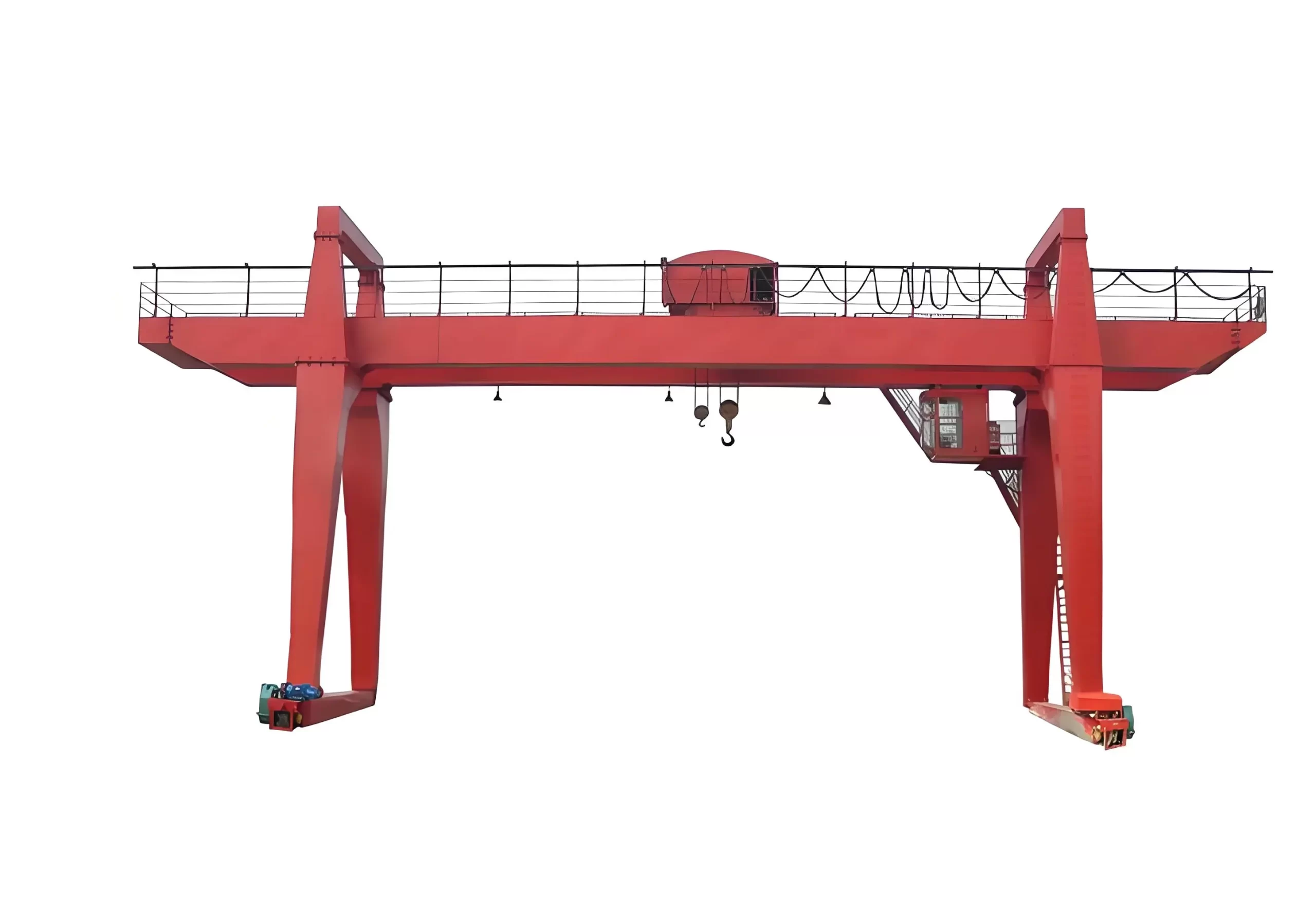
A gantry crane is supported by legs that travel on ground-level rails or a similar runway system. This makes gantry cranes particularly suitable for outdoor yards, construction sites, ports, railway facilities, and applications where an elevated building runway is not available.
The appropriate crane type should be selected according to the site conditions, available space, load requirements, and intended application.
An overhead crane is a complete industrial lifting system that combines a bridge structure, end trucks, trolley, hoisting mechanism, runway system, control system, and electrification equipment to provide efficient three-dimensional material handling.
Its ability to lift and transport loads without occupying floor space makes it an important solution for modern factories, warehouses, manufacturing facilities, and heavy industrial plants.
From single girder and double girder configurations to European-style and underslung designs, overhead cranes can be customized according to lifting capacity, span, lifting height, working class, operating speed, working environment, and specific material handling requirements.
Choosing the right overhead crane requires a comprehensive evaluation of the application, building structure, load characteristics, operating frequency, and safety requirements. With the appropriate design and configuration, an overhead crane can improve material handling efficiency, optimize workshop space, and provide a reliable long-term lifting solution.


