

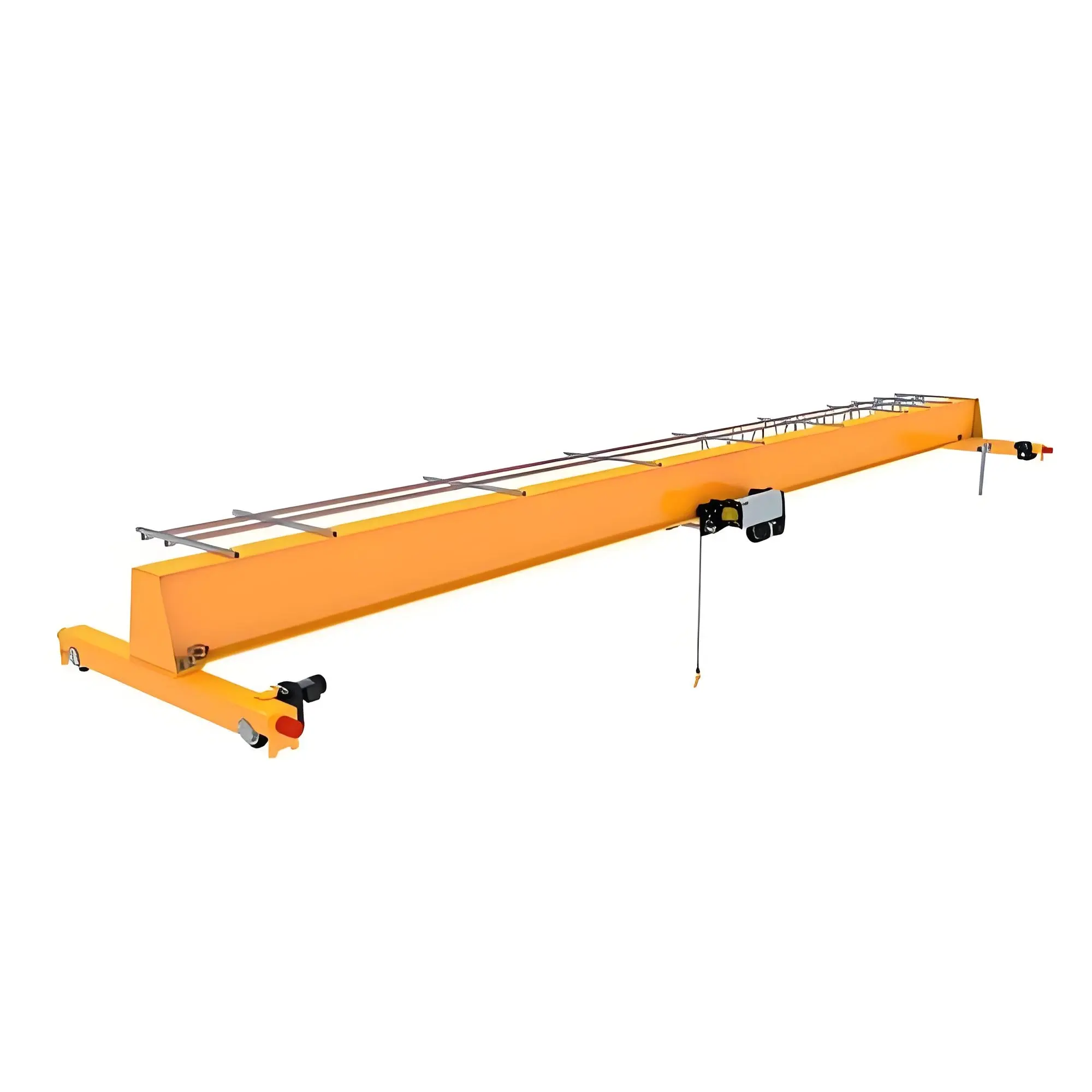
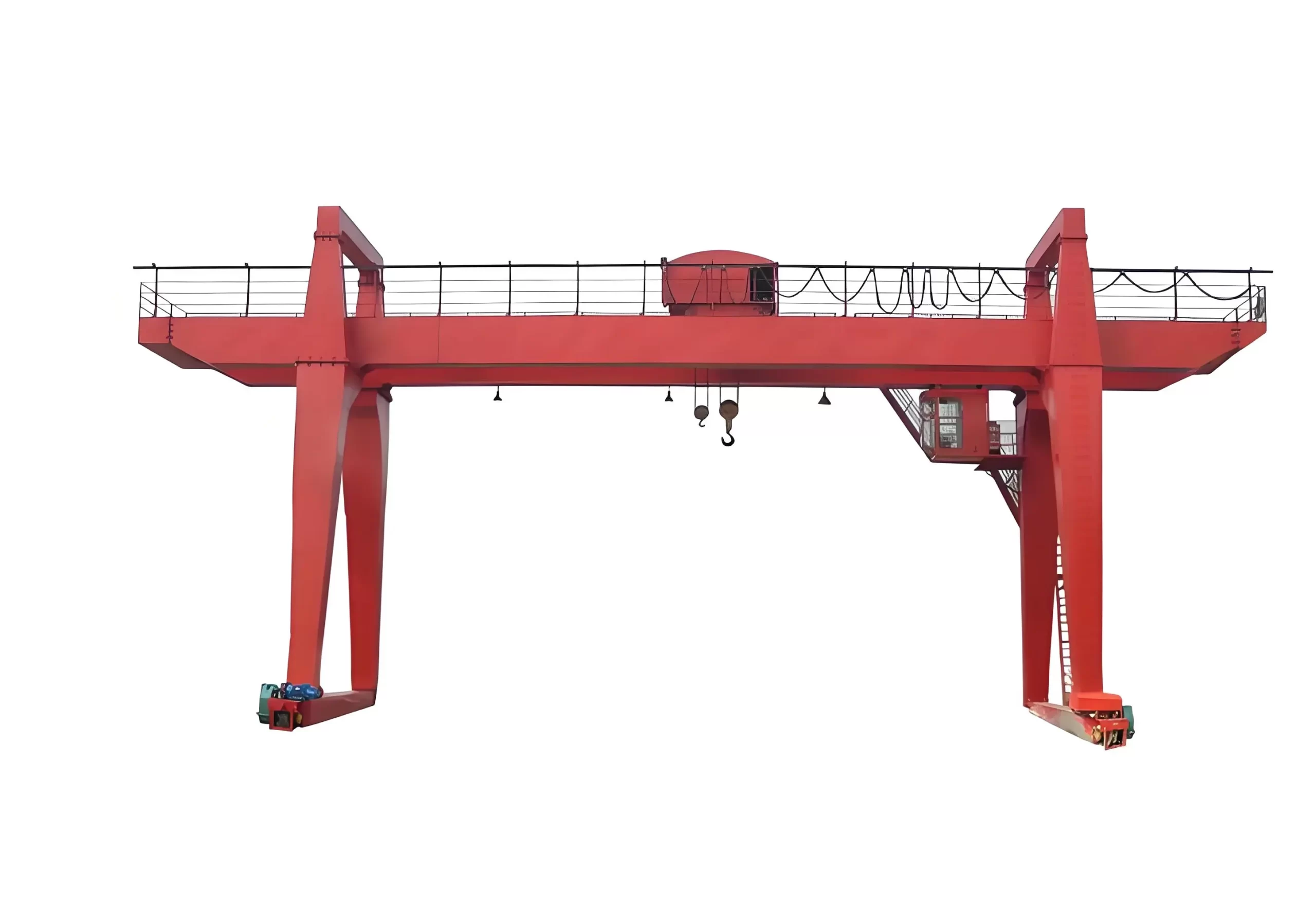
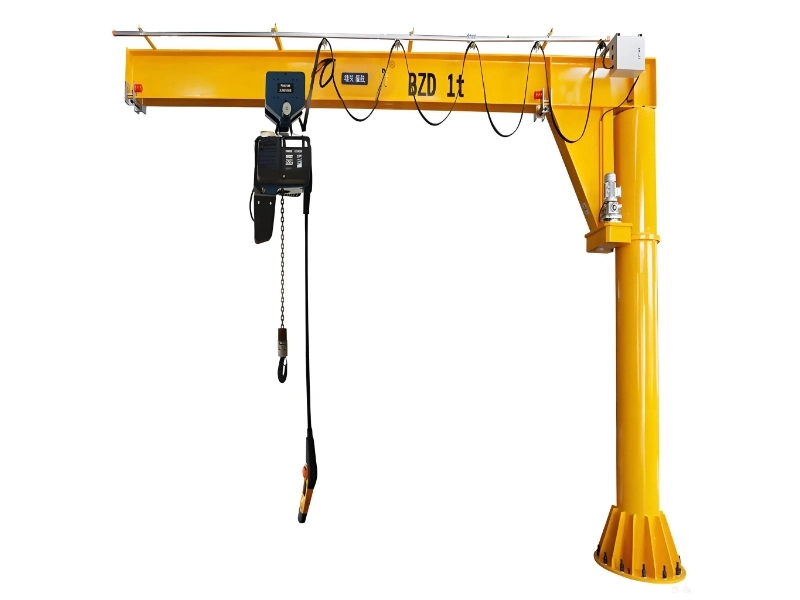
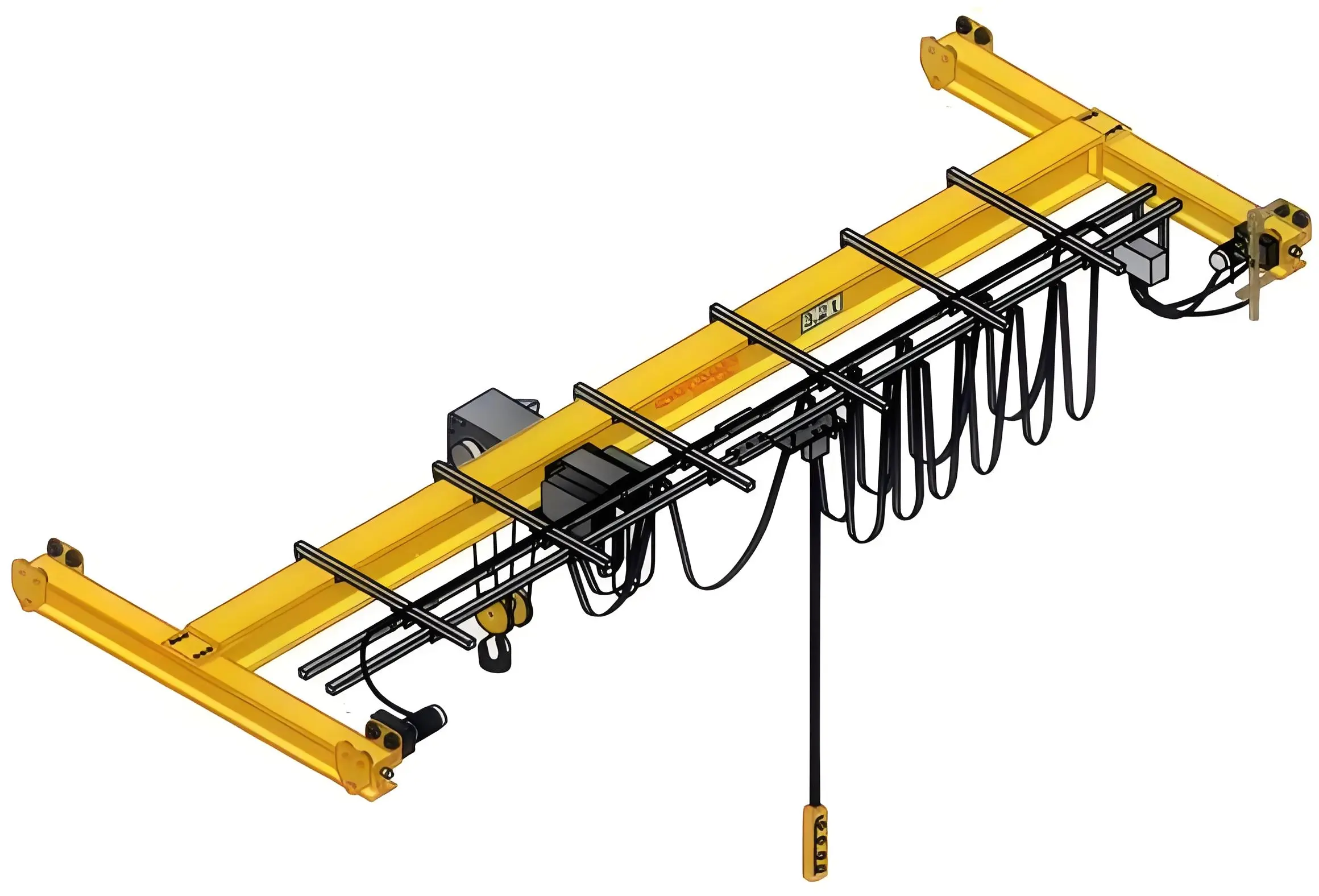
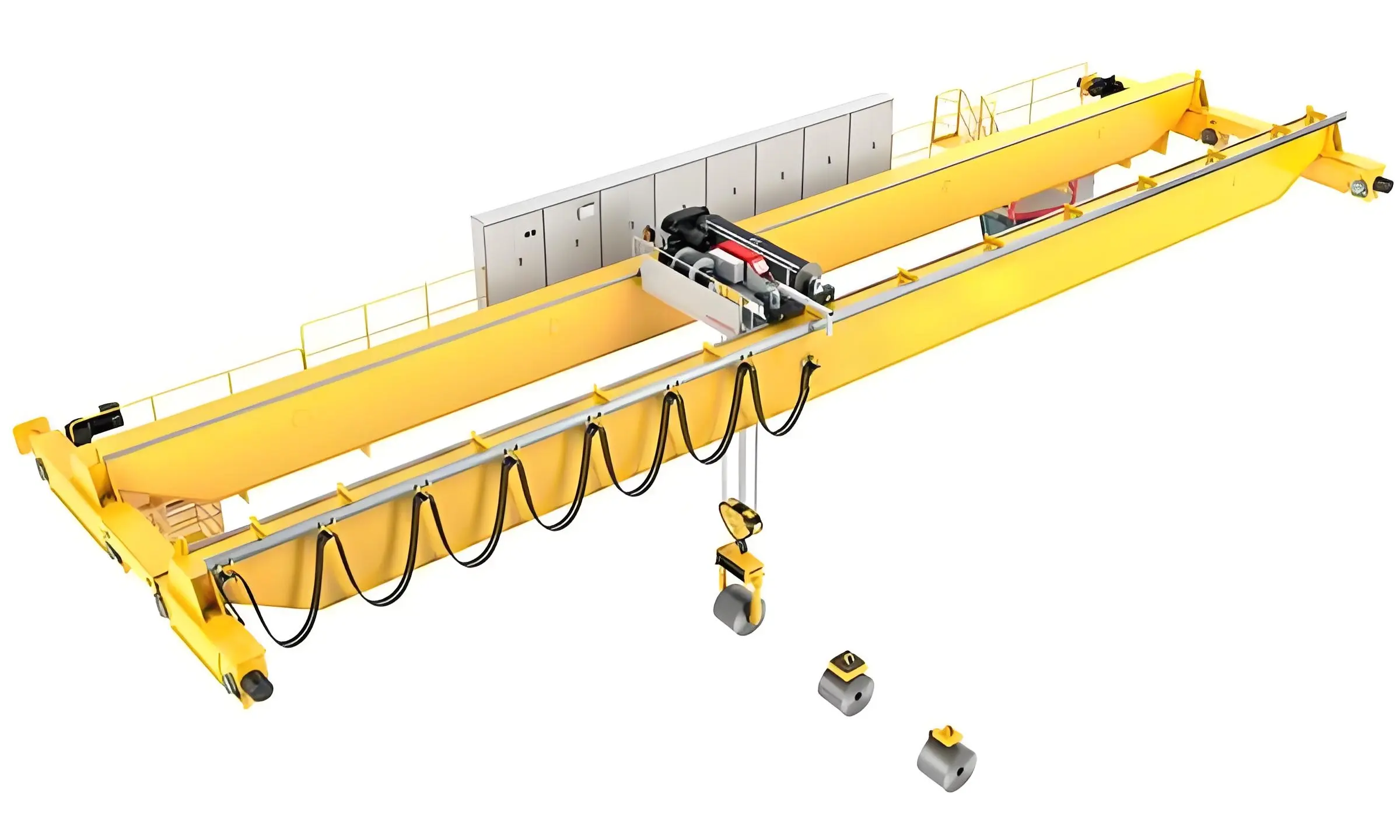
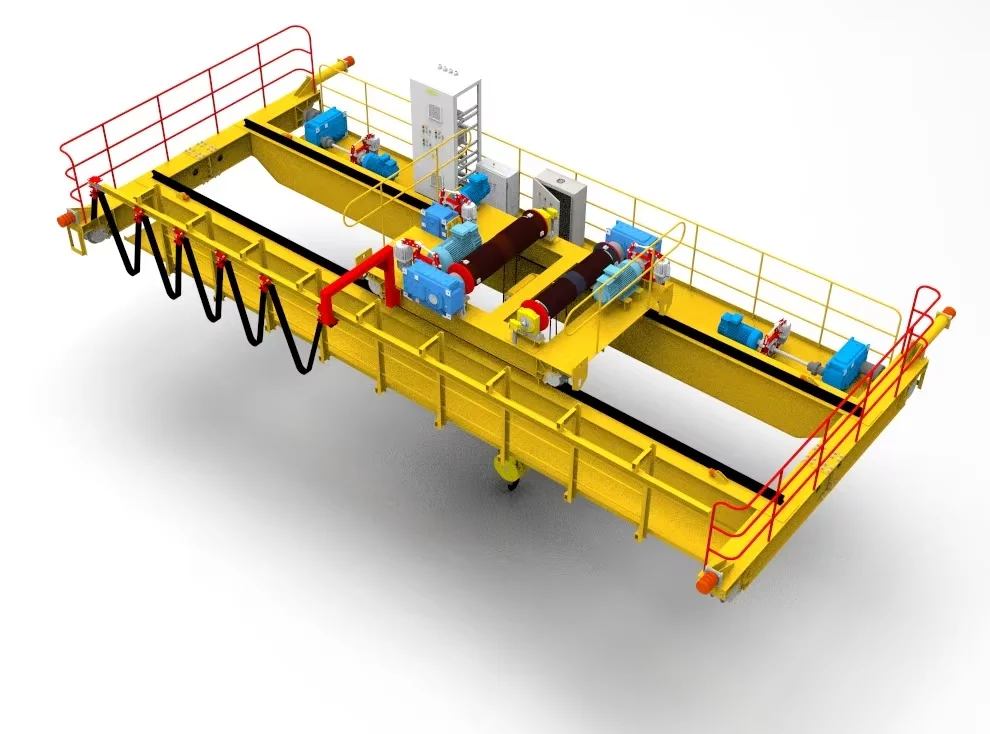
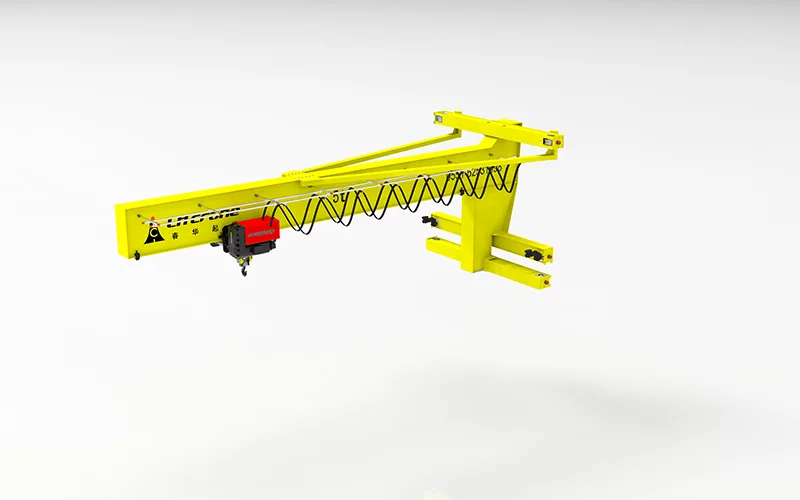
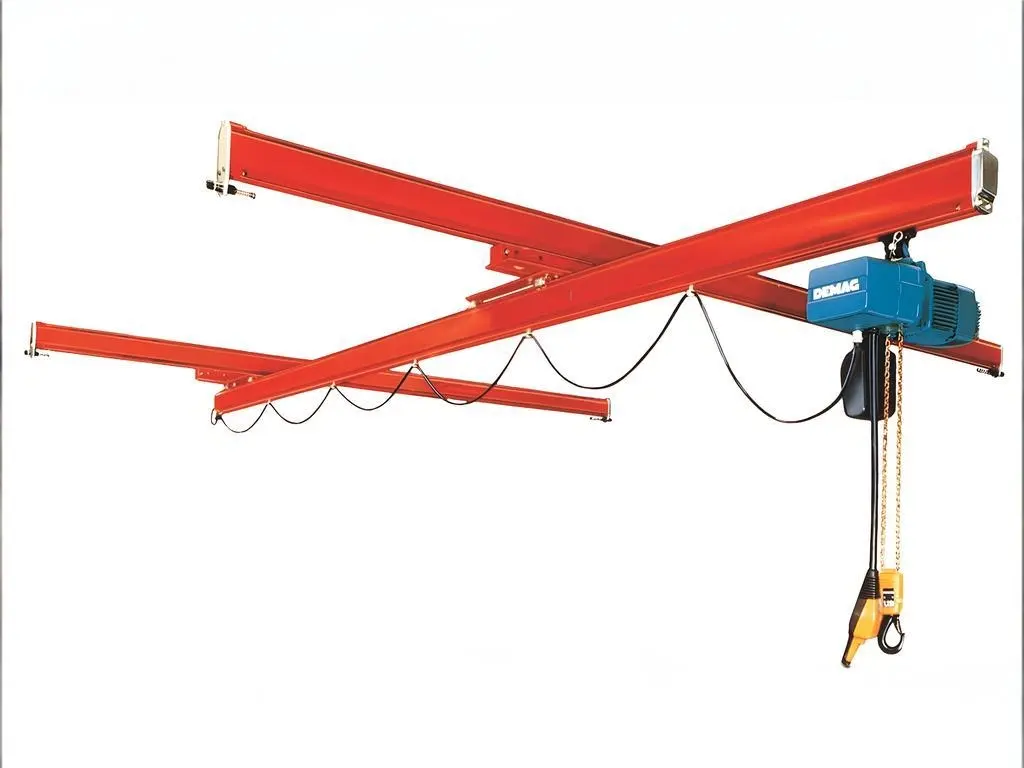

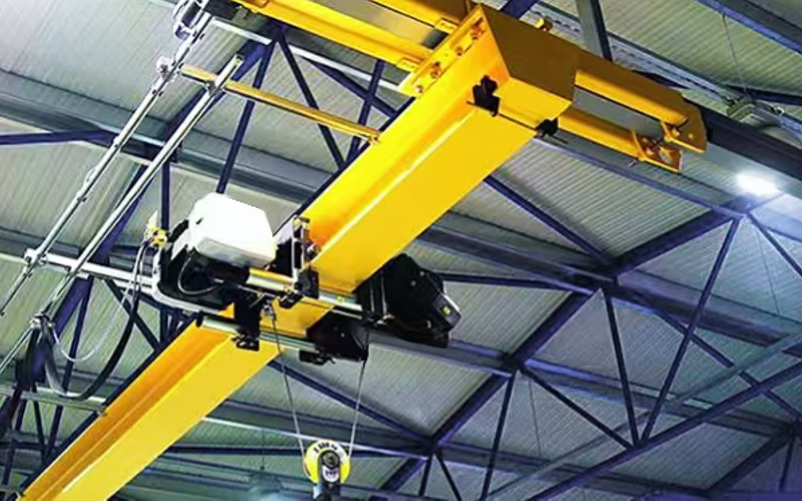
A European-style Single Girder Underslung Crane is a type of overhead lifting equipment designed for material handling in workshops, warehouses, production areas, and other industrial facilities where available headroom or building space is limited.
Unlike a conventional top-running overhead crane, an underslung crane travels beneath its runway beams. The crane bridge is supported by the lower flange of the runway system, while the hoist travels along the main girder. This configuration allows the lifting system to make better use of the available building space and can be particularly suitable for facilities where installing a conventional top-running crane is difficult.
The European-style design generally emphasizes compact construction, low headroom, smooth movement, and efficient use of the available lifting space. The exact configuration should be determined according to the lifting capacity, span, lifting height, duty cycle, building structure, and operating requirements of the application.
What Is a European-style Single Girder Underslung Crane?
A European-style Single Girder Underslung Crane is an overhead crane with a single main girder that operates below its runway structure. The crane is suspended from or runs beneath runway beams supported by the building structure or a dedicated supporting structure.
The main difference between an underslung crane and a conventional top-running overhead crane is the position of the crane relative to the runway. An underslung crane runs underneath the runway beams, while a top-running crane generally runs on top of its runway rails.
This arrangement can be advantageous in buildings with limited headroom because the crane system does not require the same overhead arrangement as a conventional top-running crane. It can also help keep the floor area clear for production, storage, and transportation activities.
The term “European-style” generally refers to a design approach using compact structures, European-style hoisting equipment, modern drive systems, and design concepts associated with FEM/DIN/ISO-based crane engineering. However, the exact standards and configuration should always be confirmed for the specific project and destination market.
Working Principle
The working principle of a European-style Single Girder Underslung Crane involves three basic movements: lifting, cross travelling, and long travelling.
1. Lifting
The electric hoist raises or lowers the load using its lifting mechanism. The hoist is installed on the main girder and provides the vertical movement required to handle materials.
2. Cross Travelling
After lifting the load, the hoist travels horizontally along the main girder. This movement allows the load to be positioned at different locations across the crane span.
3. Long Travelling
The complete crane bridge travels along the runway beams. The end carriages and travelling mechanisms move the crane along the length of the workshop or operating area.
By combining these three movements, the crane can move loads within its designated rectangular working area.
For underslung systems, the end carriages and wheels operate beneath the runway structure. This allows the crane to utilize the lower portion of the building’s supporting system while keeping the floor unobstructed.
Main Components
A European-style Single Girder Underslung Crane generally consists of the following major components:
Single Main Girder
The main girder is the primary load-bearing beam of the crane. It supports the hoist and trolley and transfers the loads to the end carriages.
A single-girder configuration can provide a relatively lightweight crane structure for suitable lifting applications.
End Carriages
End carriages are installed at both ends of the main girder. They contain the travelling wheels and associated travelling mechanisms that allow the crane bridge to move along the runway.
For underslung cranes, the travelling wheels are designed to run beneath the runway beams.
Electric Hoist
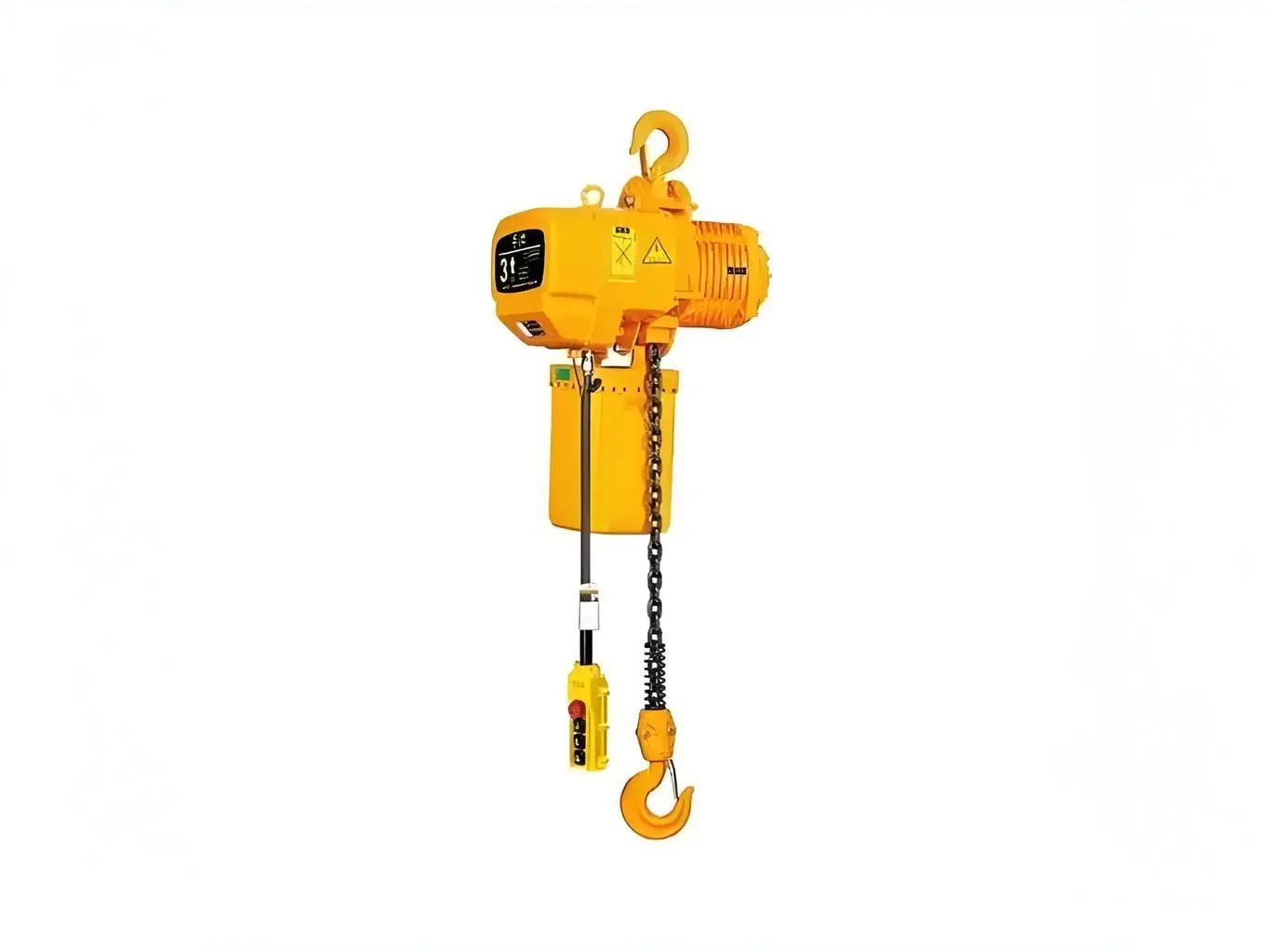
The electric hoist provides the vertical lifting function. Depending on the project, a European-style wire rope hoist or another suitable hoisting solution may be selected.
The hoist capacity, lifting height, lifting speed, and duty classification must be matched to the actual operating requirements.
Runway System
The runway system supports and guides the crane during long travel. For an underslung crane, the runway beams are positioned above the crane bridge, and the crane operates underneath them.
The building structure or dedicated supporting structure must have sufficient capacity for the loads generated by the crane system.
Travelling Mechanism
The travelling mechanism drives the crane along the runway. Depending on the configuration, speed control may be provided through dual-speed or variable-frequency drive systems.
Electrical and Control System
The electrical system supplies power to the hoist, trolley, and crane travelling mechanisms.
Common control arrangements include pendant control and radio remote control. The appropriate control method depends on the working environment and operational requirements.
Technical Parameters
The technical parameters of a European-style Single Girder Underslung Crane are not fixed because the crane normally needs to be designed according to the application.
Published product information for European-style and underslung single-girder cranes commonly gives the following reference ranges:
| Parameter | Reference Range / Configuration |
|---|---|
| Crane Type | Single Girder Underslung Crane |
| Lifting Capacity | Commonly 0.5–10 t; higher capacities may be available depending on design |
| Span | Approximately 3–22.5 m in published configurations |
| Lifting Height | Common configurations include 3–18 m; higher heights may be available depending on design |
| Working Class | A3–A5 depending on the application and design |
| Hoisting Speed | Depends on hoist configuration |
| Cross Travel Speed | Depends on the selected drive and control system |
| Long Travel Speed | Depends on the selected drive and control system |
| Control Method | Pendant control and/or radio remote control |
| Installation | Beneath runway beams |
| Power Supply | Common industrial three-phase AC supply; customized according to project requirements |
These figures are reference values rather than universal specifications. Different manufacturers and projects use different capacity, span, lifting-height, duty-class, and speed combinations. Published examples show capacities ranging from 0.5 to 10 tonnes and spans from approximately 3 to more than 20 metres.
For a real project, the final technical specification should be confirmed after evaluating the load, span, lifting height, operating frequency, building structure, runway arrangement, power supply, and applicable standards.
For European-market applications, EN 15011 is one relevant European standard covering bridge and gantry cranes. The applicable standards should be confirmed according to the destination country and project requirements.
Applications
European-style Single Girder Underslung Cranes can be used in various industrial material-handling applications.
Manufacturing Workshops
They can be used for moving components, equipment, tools, and other production materials between different workstations.
Warehouses
The crane can assist with lifting, positioning, and transferring materials in areas where floor space needs to remain available for storage and transportation.
Assembly Areas
In assembly operations, the crane can provide controlled lifting and positioning of components.
Maintenance Workshops
An underslung crane can be used for lifting machinery components and equipment during maintenance and repair operations.
Production Lines
Where lifting points are distributed along a production area, the crane can provide overhead material handling without occupying floor space.
Published applications for underslung cranes include manufacturing, warehousing, logistics, energy-related facilities, light industry, assembly areas, and maintenance workshops.
Advantages
1. Better Use of Available Headroom
Because the crane operates underneath its runway system, an underslung configuration can be suitable for buildings where available headroom is limited.
2. Efficient Floor-Space Utilization
The lifting equipment operates overhead, leaving the floor available for production, storage, vehicles, and other activities.
3. Lightweight Single-Girder Structure
A single-girder design can reduce the structural complexity and overall weight compared with some double-girder configurations, when applied within the appropriate capacity range.
4. Flexible Installation
Underslung cranes can be installed using existing building structures or dedicated runway structures when the structural conditions are suitable. However, the supporting structure must be verified before installation.
5. Suitable for Low-Headroom Applications
Compact hoisting equipment and an underslung arrangement can help increase the usable lifting space in facilities where vertical clearance is limited.
6. Smooth Load Handling
Modern drive systems can provide controlled crane and trolley movement. Variable-frequency control can also be selected where smoother acceleration and deceleration are required.
How to Choose a European-style Single Girder Underslung Crane
Selecting the correct crane requires more than simply choosing the rated lifting capacity.
1. Determine the Maximum Load
The rated capacity should be based on the maximum load that the crane needs to lift, including the actual operating conditions.
2. Determine the Required Span
The span should correspond to the distance between the runway travel paths and the required working coverage.
3. Determine the Required Lifting Height
The required hook height should be considered together with the building height, roof structure, equipment layout, and required clearance.
4. Check the Building Structure
This is particularly important for underslung cranes. The runway beams and supporting structure must be capable of carrying the loads generated by the crane.
5. Consider Working Frequency
The crane’s duty classification should correspond to how frequently and intensively the crane will be operated. Published underslung crane configurations include A3. A4. and A5 duty classes.
6. Select the Control Method
Pendant control may be suitable for straightforward operating environments, while radio remote control can provide greater operating flexibility.
7. Confirm Applicable Standards
For international projects, the required design, manufacturing, inspection, and conformity standards should be confirmed before production.
A proper crane selection should therefore consider capacity, span, lifting height, duty class, runway structure, headroom, operating environment, control method, and applicable standards rather than focusing on one parameter alone.
Chunhua Crane Solution
Chunhua Crane provides crane solutions based on the actual lifting and material-handling requirements of each project.
For a European-style Single Girder Underslung Crane, the design process should begin with the customer’s key operating information, including:
Rated lifting capacity
Crane span
Required lifting height
Workshop length
Runway beam arrangement
Available headroom
Building structural conditions
Working frequency
Operating environment
Power supply
Control requirements
Applicable standards
Based on these conditions, the crane configuration, hoisting system, travelling mechanism, runway arrangement, electrical system, and safety equipment can be determined accordingly.
For export projects, the applicable technical and conformity requirements should also be confirmed according to the destination market.
The objective is to provide a lifting system that matches the actual working conditions rather than applying a one-size-fits-all configuration.
Frequently Asked Questions
1. What is an underslung crane?
An underslung crane is an overhead crane whose bridge travels underneath its runway beams. The crane is supported by the runway system above it rather than running on top of the runway.
2. What is the difference between an underslung crane and a top-running crane?
The main difference is the position of the crane bridge relative to the runway. A top-running crane travels on top of its runway rails, while an underslung crane travels beneath the runway beams.
3. What lifting capacity is available for a single-girder underslung crane?
Published configurations commonly cover approximately 0.5 to 10 tonnes, although the actual capacity range depends on the crane design, building structure, span, and application requirements.
4. Is a single-girder underslung crane suitable for a low-headroom workshop?
It can be suitable for low-headroom applications because the crane runs beneath the runway structure and can make effective use of the available vertical space. The actual suitability must be confirmed based on the building structure and required hook height.
5. How do I choose the right underslung crane?
The key factors include lifting capacity, span, lifting height, duty class, headroom, runway arrangement, building structure, operating frequency, control method, and applicable standards.
6. Can the crane be customized?
Yes. Crane configuration and technical parameters need to be determined according to the customer’s lifting requirements, workshop dimensions, structural conditions, and operating environment.
Contact Chunhua Crane
If you are looking for a European-style Single Girder Underslung Crane for your workshop, warehouse, production line, or material-handling application, contact Chunhua Crane with your basic project information.
To recommend a suitable configuration, please provide:
Lifting capacity
Span
Lifting height
Workshop length
Building or runway beam information
Working frequency
Power supply
Control requirements
Destination country
With this information, a project-specific crane solution can be evaluated according to the actual operating conditions and applicable requirements.