


Índice
No exigente mundo da construção industrial, a indústria de concreto pré-moldado se destaca como um pilar da infraestrutura moderna. De vigas de pontes maciças a painéis arquitetônicos complexos, a capacidade de produzir componentes de concreto de alta qualidade fora do canteiro de obras revolucionou os cronogramas de construção e a integridade estrutural. No entanto, o peso, a escala e a fragilidade desses componentes representam um desafio logístico significativo. É aí que entra o concreto pré-moldado. sistemas de ponte rolante personalizados tornar-se indispensável.
Para fabricantes que buscam expandir suas operações, uma solução de elevação padrão "pronta para uso" raramente é suficiente. O formato único de um pátio de pré-moldados, combinado com os requisitos especiais de manuseio do concreto úmido e curado, exige uma solução mais robusta. guindaste pórtico de concreto pré-moldado projetado especificamente para a tarefa. Neste guia completo, exploramos como um design personalizado pode ser utilizado. guindaste pórtico de fabricação As soluções estão transformando as instalações de pré-fabricados, garantindo produtividade máxima e segurança intransigente.
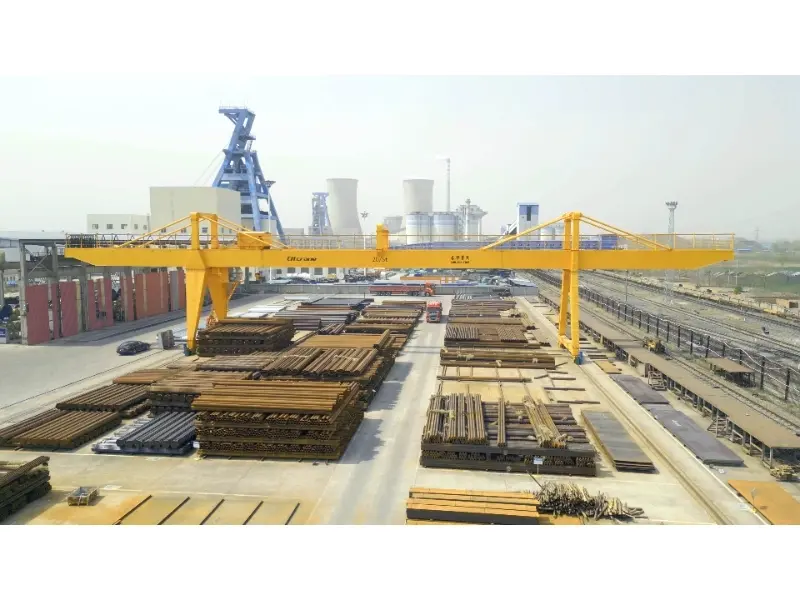
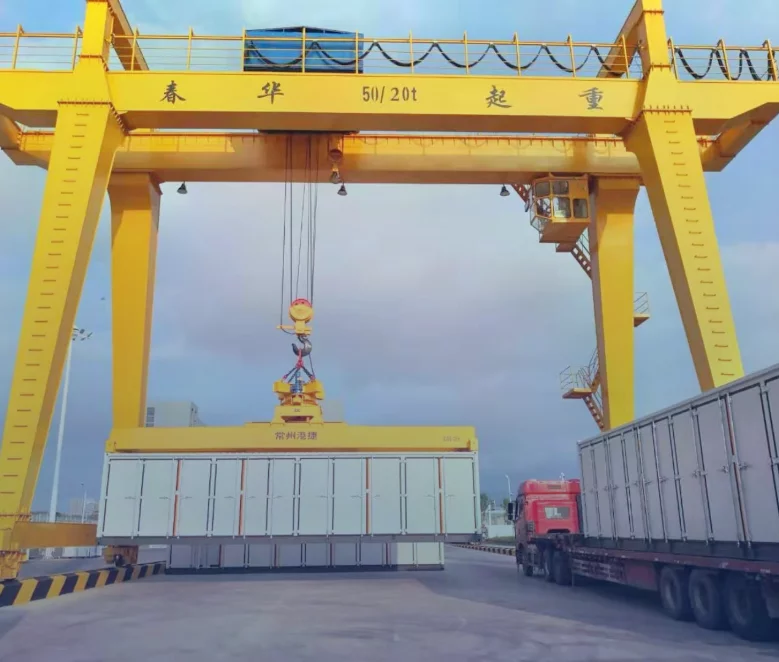
O papel crucial dos pórticos rolantes nas operações de pré-fabricados
O ciclo de vida de um produto de concreto pré-moldado envolve várias etapas críticas: a retirada do produto do molde, o transporte para a área de cura e, finalmente, o carregamento em um veículo de transporte para entrega no local da obra. Cada etapa exige precisão, estabilidade e uma capacidade de elevação significativa.
1. Manuseio de cargas pesadas e de grandes dimensões
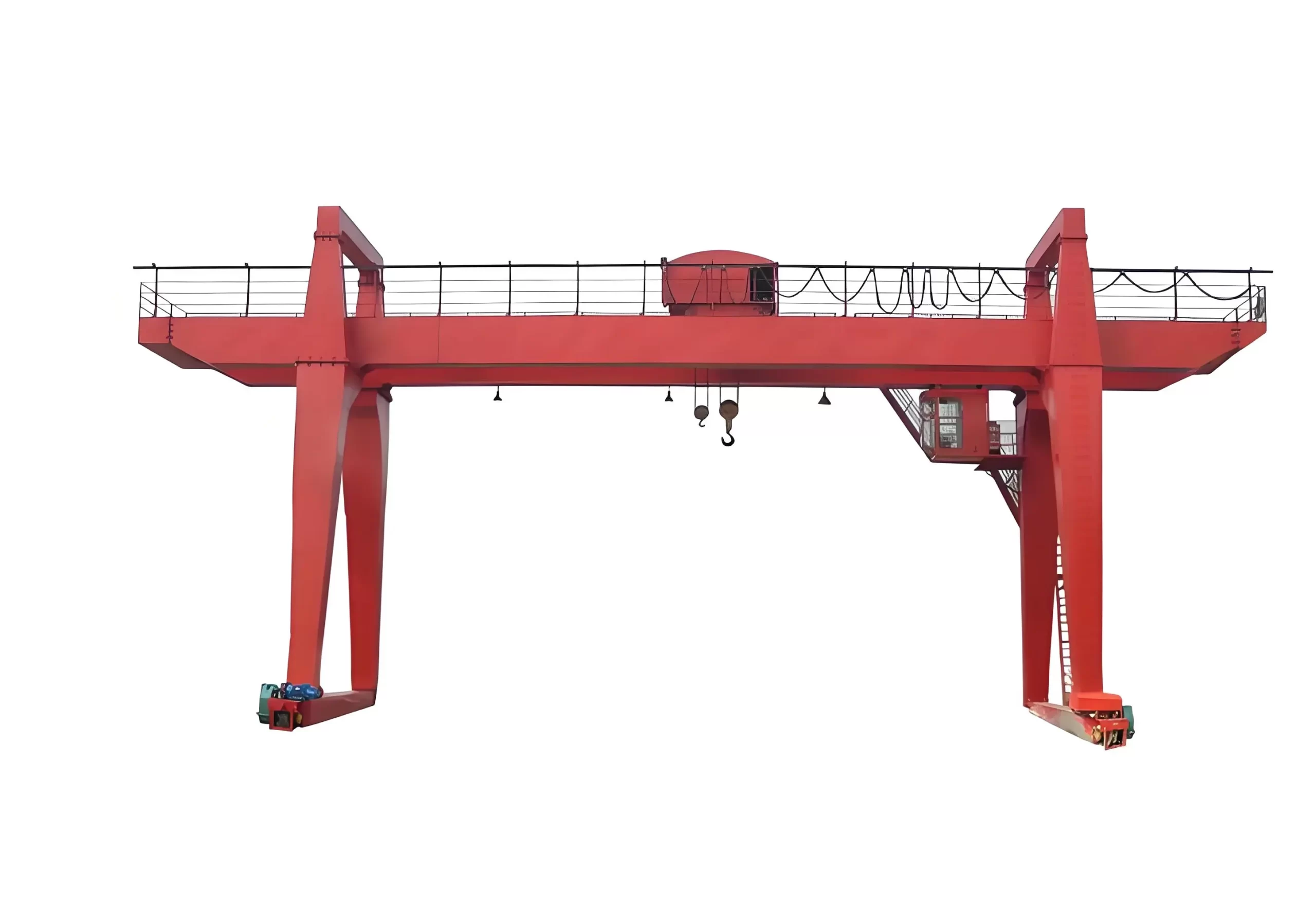
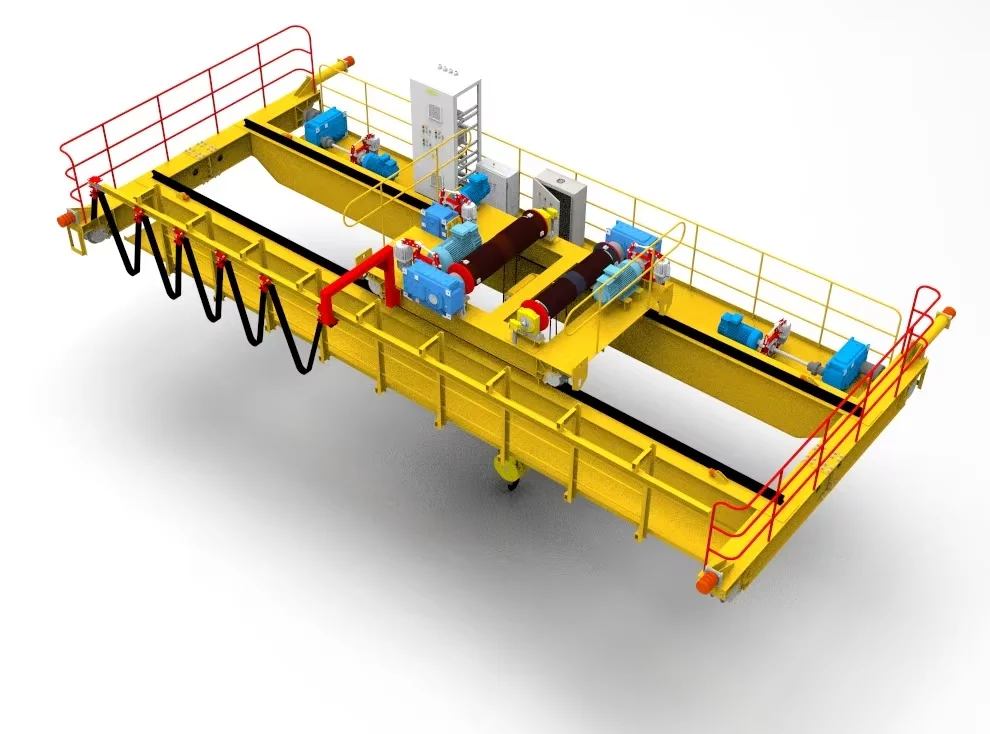
Elementos pré-fabricados, como vigas em T ou galerias de concreto armado, podem pesar de 10 a mais de 100 toneladas. guindaste pórtico personalizado Proporciona a rigidez estrutural necessária para içar essas cargas sem a oscilação ou instabilidade associadas a equipamentos menos especializados. Ao utilizar configurações de içamento duplo ou distribuidores especializados, esses guindastes garantem que o peso seja distribuído uniformemente, evitando danos estruturais ao concreto.
2. Otimização do fluxo de produção
Em um alto volume guindaste pórtico de fabricação Em um ambiente industrial, o tempo é o recurso mais valioso. Os guindastes pórticos operam sobre trilhos fixos ou pneus, permitindo que percorram toda a extensão de um galpão de produção ou pátio de armazenamento. Essa mobilidade garante que os produtos se movam perfeitamente da área de fundição até a doca de carregamento, minimizando o tempo ocioso e maximizando a produtividade.
Por que o "personalizado" é o padrão ouro para instalações de pré-fabricados?
Cada fábrica de pré-fabricados é diferente. Fatores como a altura do teto (para instalações internas), a capacidade de suporte do solo (para pátios externos) e a geometria específica dos produtos fabricados determinam o projeto do guindaste.
Vãos e alturas de elevação personalizados
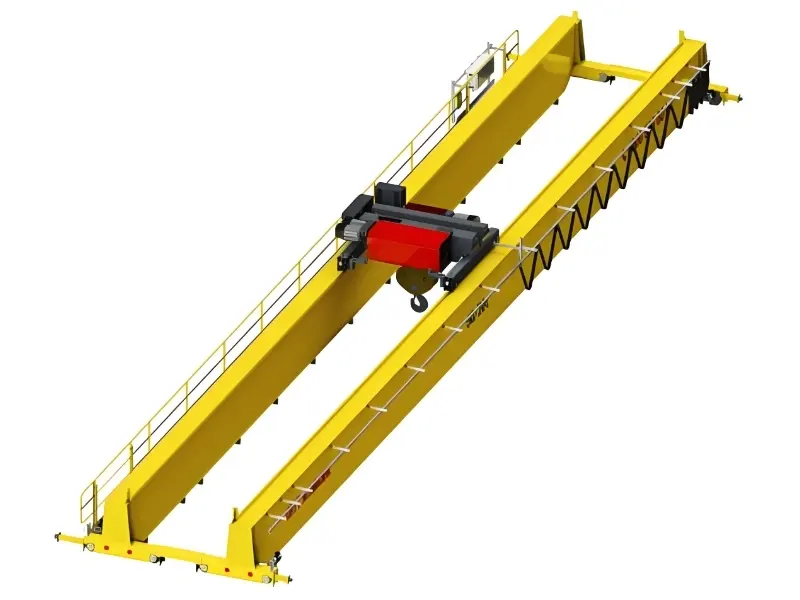
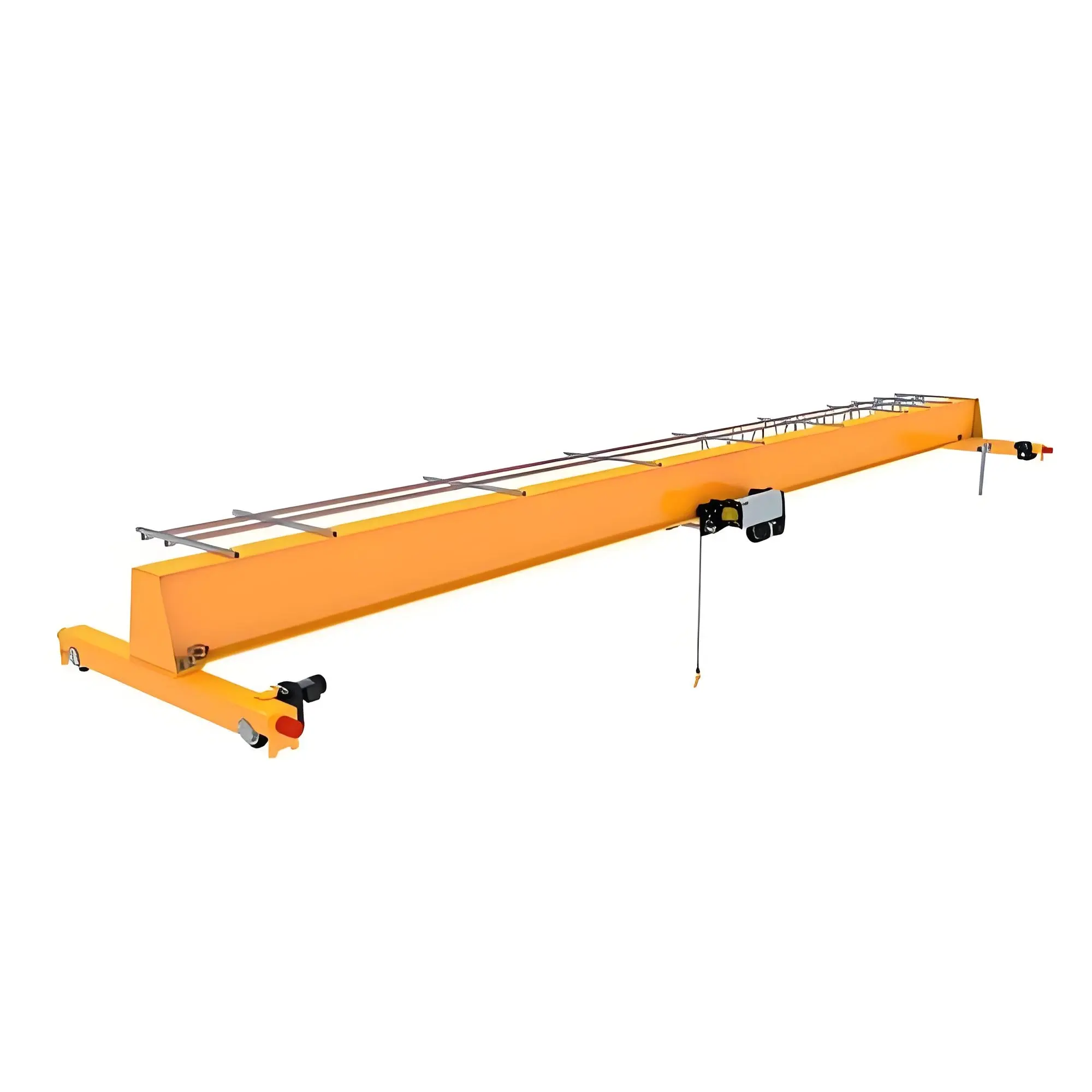
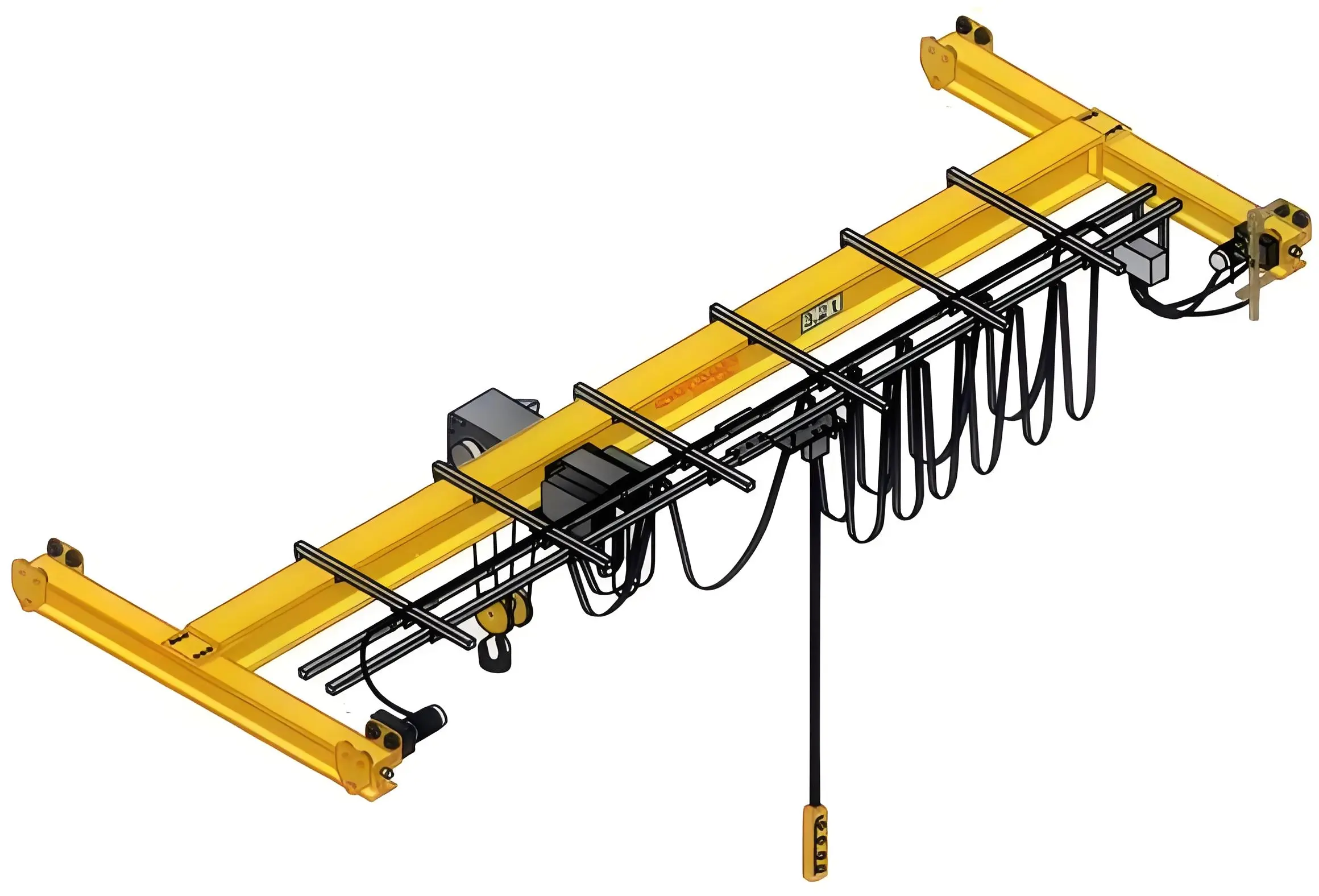
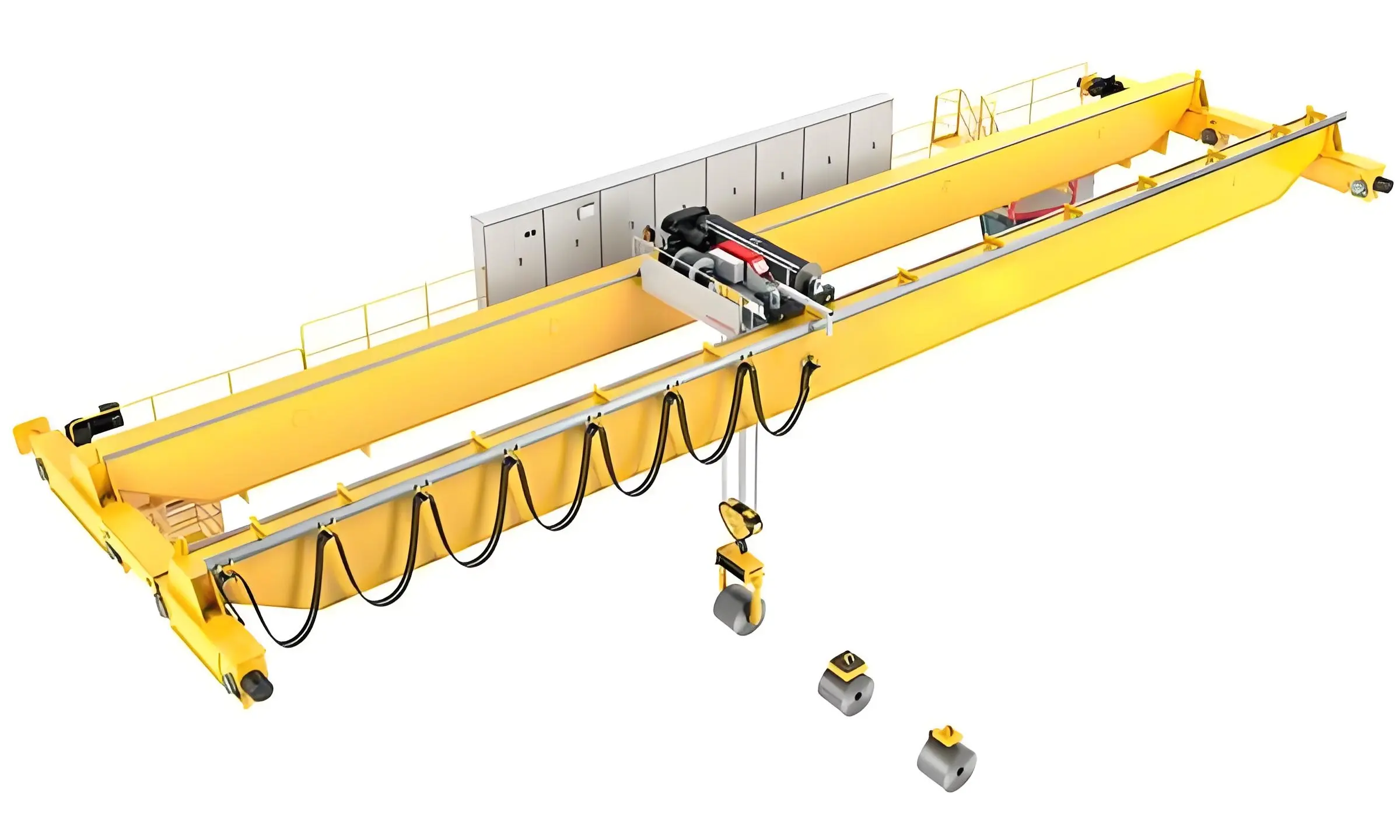
A guindaste pórtico personalizado Permite que os engenheiros otimizem o vão para cobrir várias áreas de fundição simultaneamente. Seja para um amplo pátio externo com uma ponte rolante de viga dupla de grande vão ou para uma solução compacta de viga única em uma oficina interna especializada, a personalização garante que nenhum espaço seja desperdiçado.
Sistemas de Controle Avançados
Moderno guindaste pórtico de concreto pré-moldado As soluções geralmente incluem inversores de frequência (VFDs). Esses sistemas permitem movimentos precisos e micrométricos, essenciais para posicionar uma viga de 50 toneladas em um reboque ou alinhar um molde com precisão milimétrica. A aceleração e a desaceleração suaves reduzem a carga dinâmica na estrutura do guindaste, prolongando sua vida útil.
Adaptabilidade ambiental
Muitas operações de pré-fabricados são realizadas ao ar livre, expondo os equipamentos à poeira, umidade e variações de temperatura. Soluções personalizadas incluem revestimentos de pintura especiais, invólucros elétricos com classificação IP65 e aquecedores de motor para garantir o desempenho confiável do guindaste em ambientes agressivos.
Principais características técnicas de um guindaste pórtico de concreto pré-moldado de alto desempenho
Ao avaliar um guindaste pórtico de fabricação Para a sua empresa, diversas inovações técnicas podem impactar significativamente o seu retorno sobre o investimento (ROI):
- Tecnologia inteligente anti-oscilação: Os sistemas eletrônicos anti-oscilação ajudam os operadores a manter a carga estável durante viagens em alta velocidade, reduzindo o risco de acidentes e agilizando o processo de posicionamento.
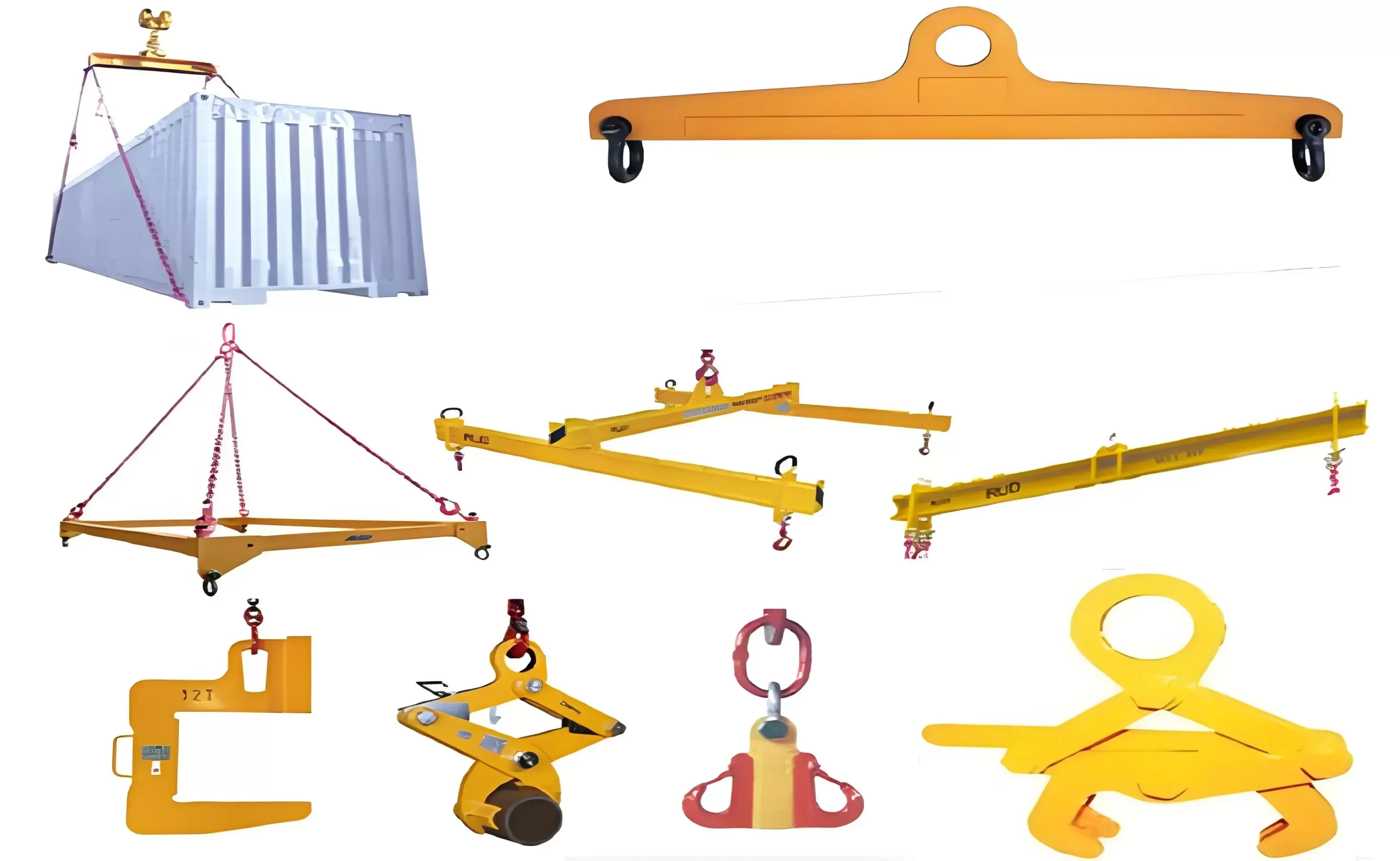
- Acessórios de elevação especializados: Desde grampos hidráulicos para tubos até elevadores a vácuo para painéis planos, uma viga espaçadora projetada sob medida transforma o guindaste em uma ferramenta multifuncional.
- Monitoramento e diagnóstico remotos: A integração com a Indústria 4.0 permite que os gerentes de fábrica acompanhem o uso de guindastes, monitorem a saúde dos motores e programem manutenções preditivas, evitando paradas não planejadas e dispendiosas.
- Pernas telescópicas ou dobráveis: Para instalações com alturas limitadas ou que necessitam movimentar guindastes entre diferentes locais, os projetos com pernas telescópicas oferecem uma flexibilidade incomparável.
Segurança: a prioridade inegociável.
A indústria de pré-fabricados é inerentemente de alto risco. guindaste pórtico de concreto pré-moldado Devem ser equipados com sistemas de segurança redundantes para proteger tanto o pessoal quanto os produtos de alto valor.
- Proteção contra sobrecarga: Sensores automáticos impedem que o guindaste levante cargas além de sua capacidade nominal.
- Frenagem de emergência: Em caso de falha de energia, os freios mecânicos são acionados instantaneamente para manter a carga no lugar.
- Prevenção de colisões: Sensores a laser ou infravermelhos impedem que o pórtico colida com outros guindastes ou obstáculos na pista.
Aprimorando suas instalações com a experiência em pontes rolantes de viga.
Escolher o parceiro certo para suas necessidades de elevação é tão importante quanto o próprio equipamento. Na Guindaste de viga, Somos especializados em design e fabricação. resistente guindaste pórtico personalizado sistemas que atendam às exigências rigorosas da indústria global de pré-fabricados.
Nossa equipe de engenharia trabalha em estreita colaboração com os gerentes de fábrica para analisar os fluxos de trabalho de produção e as restrições do local. Não vendemos apenas guindastes; fornecemos soluções integradas de elevação que aumentam a eficiência da sua operação. guindaste pórtico de fabricação operações desde o primeiro dia.
Conclusão
A demanda por concreto pré-moldado só tende a crescer à medida que os projetos de infraestrutura globais se tornam mais complexos. Para se manterem competitivos, os fabricantes precisam aproveitar tecnologias que ofereçam uma clara vantagem em velocidade, segurança e confiabilidade. guindaste pórtico personalizado Não se trata apenas de uma peça de maquinário; é um investimento estratégico na escalabilidade e rentabilidade do seu negócio.
Ao optar por um especialista guindaste pórtico de concreto pré-moldado, Ao fazer isso, você garante que suas instalações estejam equipadas para lidar com os desafios dos projetos de construção do futuro com facilidade.
Perguntas frequentes
1. Quais são as principais vantagens de usar um guindaste pórtico em vez de um guindaste móvel em um pátio de pré-fabricados?
Os guindastes pórticos oferecem estabilidade superior, maior precisão para posicionamentos delicados e custos operacionais mais baixos ao longo do tempo. Ao contrário dos guindastes móveis, um guindaste pórtico de fabricação Segue um percurso fixo, o que reduz o risco de acidentes em pátios congestionados e permite uma utilização mais eficiente do espaço de armazenamento. Além disso, os guindastes pórticos normalmente têm uma área de ocupação muito menor em relação à sua capacidade de elevação.
2. Como posso determinar a capacidade de elevação adequada para meu guindaste pórtico personalizado?
Você deve basear a capacidade no produto mais pesado previsto, mais o peso de quaisquer vigas de elevação ou distribuidores especializados. Geralmente, recomenda-se incluir uma margem de segurança (normalmente 10-20%). Nossos especialistas em Guindaste de viga pode ajudá-lo a calcular as cargas dinâmicas e estáticas para garantir que seu guindaste pórtico personalizado Possui as especificações perfeitas para as suas necessidades.
3. Um guindaste pórtico de concreto pré-moldado requer manutenção especial?
Sim, devido à natureza abrasiva da poeira de concreto e ao ciclo de trabalho intenso da fabricação de pré-moldados, esses guindastes exigem inspeções regulares dos cabos de içamento, componentes elétricos e alinhamento dos trilhos. Soluções personalizadas geralmente incluem plataformas de fácil acesso e sistemas de lubrificação automatizados para simplificar esse processo e garantir a operação correta. guindaste pórtico de concreto pré-moldado Mantém-se em ótimas condições por décadas.