




Índice
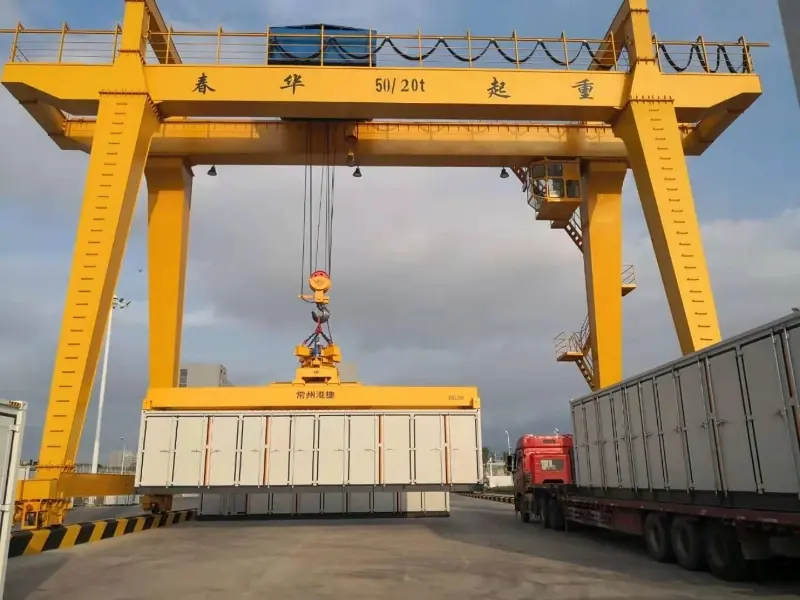
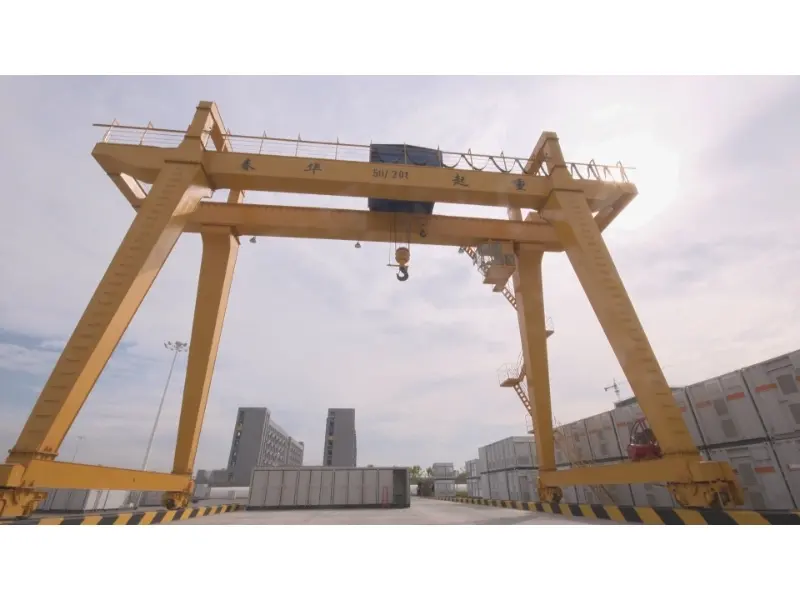
The global maritime industry operates in some of the most unforgiving environments on Earth. From bustling coastal shipyards to remote oil rigs in the middle of the ocean, the equipment used must withstand constant exposure to salt spray, high humidity, extreme UV radiation, and volatile temperatures. Among these critical pieces of machinery, the marine gantry crane and the offshore gantry crane stand as the workhorses of heavy lifting. However, without advanced protection, these giants are highly susceptible to “the silent killer”—corrosion.
Investing in an anti-corrosion gantry crane is not merely a choice for durability; it is a strategic necessity for operational safety, regulatory compliance, and long-term cost-effectiveness. In this comprehensive guide, we explore the cutting-edge anti-corrosion technologies that define modern high-performance cranes in the marine and offshore sectors.
1. The Corrosive Reality of Marine and Offshore Environments
Before delving into the solutions, it is crucial to understand the challenges. The marine atmosphere is classified under ISO 12944 as C5-M (Marine) or CX (Extreme), representing the highest level of corrosivity.
- Chloride Attack: Salt crystals from sea spray settle on metal surfaces. Chlorides are highly aggressive, penetrating protective oxide layers on steel and accelerating electrochemical reactions.
- High Humidity and Moisture: Coastal and offshore areas maintain high relative humidity. Water acts as the electrolyte required for the oxidation process.
- UV Degradation: Intense sunlight breaks down standard paint polymers, leading to chalking, cracking, and eventual failure of the protective barrier.
- Mechanical Stress: The constant vibration and heavy loading cycles of an offshore gantry crane can create micro-cracks in coatings, providing a gateway for moisture.
2. Advanced Material Selection: The First Line of Defense
The foundation of a reliable anti-corrosion gantry crane lies in the materials used during the fabrication process.
High-Grade Structural Steel
While carbon steel is the primary material for the crane’s structure due to its strength-to-weight ratio, specialized alloying elements can improve its inherent resistance. Weathering steels or steels with specific grain structures are often chosen for critical load-bearing components.
Stainless Steel Components
For smaller, high-precision parts such as fasteners, hydraulic fittings, electrical enclosures, and sensors, Grade 316/316L stainless steel is the industry standard. Unlike the more common 304 grade, 316 contains molybdenum, which significantly enhances resistance to pitting and crevice corrosion in chloride-rich environments.
Non-Ferrous Alloys
In specific offshore applications, bronze or high-strength aluminum alloys may be used for bushings and specialized housings to prevent galvanic corrosion where different metals meet.
3. High-Performance Coating Systems (ISO 12944 Compliance)
The most visible and critical defense for a marine gantry crane is its coating system. Modern “Marine Duty” paint specifications involve a rigorous multi-stage process.
Surface Preparation: The “White Metal” Standard
No coating can succeed without a perfect substrate. Surfaces must be abrasive blast-cleaned to Sa 2.5 or Sa 3.0 (Near-White to White Metal) to remove all mill scale, rust, and contaminants. This creates a specific “anchor profile” that ensures the primer bonds chemically and mechanically to the steel.
The Three-Layer System
- Zinc-Rich Primer (The Sacrificial Layer): Usually an epoxy zinc-rich primer. If the coating is scratched, the zinc “sacrifices” itself by corroding instead of the underlying steel.
- Epoxy Intermediate Coat (The Barrier Layer): A high-build epoxy, often reinforced with glass flakes or micaceous iron oxide (MIO). This creates a dense, labyrinth-like barrier that makes it nearly impossible for moisture and oxygen molecules to reach the steel.
- Polyurethane or Polysiloxane Topcoat (The Shield): This final layer provides the color and gloss while offering exceptional resistance to UV radiation and chemical splashes. Polysiloxane coatings are increasingly popular for offshore gantry cranes due to their superior durability and environmental friendliness compared to traditional polyurethanes.
4. Engineering for Corrosion Prevention
Effective anti-corrosion starts at the drawing board. A well-designed anti-corrosion gantry crane avoids structural features that encourage rust.
- Sealed Box Girders: For the main bridge and legs, hermetically sealed box sections prevent internal corrosion. The interior can be treated with vapor-phase corrosion inhibitors (VCI) for added security.
- Elimination of Water Traps: Designs must ensure that all surfaces are self-draining. Horizontal ledges are minimized, and drainage holes are strategically placed to prevent stagnant water accumulation.
- Smooth Weld Finishes: Welds are ground smooth to remove burrs and sharp edges. Coatings tend to thin out over sharp corners (edge effect), so rounded profiles ensure uniform paint thickness.
- Gap Sealing: All joints and crevices are sealed with high-grade marine sealants to prevent “bleeding” rust and crevice corrosion.
5. Active Protection: Galvanization and Cathodic Systems
Beyond coatings, active technologies are employed to ensure the longevity of a marine gantry crane.
Hot-Dip Galvanization
For walkways, handrails, stairs, and smaller structural components, hot-dip galvanizing provides a thick, metallurgically bonded zinc coating that is far more durable than paint against mechanical wear.
Cathodic Protection
In submerged or splash-zone components of an offshore gantry crane, sacrificial anodes (made of aluminum or zinc alloys) are attached. These anodes create an electrochemical cell where the anode corrodes instead of the crane’s structure.
6. Protection of Mechanical and Electrical Systems
The “brain” and “muscles” of the crane require specialized protection.
- IP66/IP67 Enclosures: Electrical cabinets are made of stainless steel and sealed to prevent the ingress of salty air, which can lead to short circuits and component failure.
- Marine-Grade Motors and Gearboxes: These units feature specialized seals, anti-condensation heaters, and internal coatings to withstand the damp marine atmosphere.
- Automated Lubrication Systems: For the trolley tracks and hoist mechanisms, automated systems ensure that moving parts are always coated in protective grease, displacing moisture and reducing wear.
7. The Importance of Maintenance and IoT Monitoring
Even the best anti-corrosion gantry crane requires oversight. Modern offshore operations are moving toward Predictive Maintenance.
- IoT Sensors: Real-time monitoring of coating thickness, humidity levels, and structural integrity allows operators to identify “hot spots” before they turn into structural failures.
- Regular Inspections: Professional surveys using drones or climbers ensure that even the most hard-to-reach areas of a marine gantry crane are inspected for signs of coating degradation.
- Prompt Repair: Any mechanical damage to the coating must be repaired immediately using compatible “touch-up” kits to maintain the integrity of the barrier system.
Conclusão
The initial investment in a high-quality anti-corrosion gantry crane pays for itself many times over. By reducing downtime, extending the equipment’s service life, and preventing catastrophic structural failures, these technologies provide peace of mind to port authorities and offshore operators alike.
When sourcing heavy lifting equipment for marine applications, it is essential to partner with manufacturers who understand the nuances of the C5-M environment. Explore our full range of durable, high-performance solutions at Girder Crane Products and ensure your operations remain “rust-proof” for decades to come.
Perguntas frequentes
1. What is the difference between a standard gantry crane and a marine gantry crane?
A marine gantry crane is specifically engineered for high-salinity environments. This includes using ISO 12944 C5-M compliant paint systems, stainless steel fasteners, IP-rated electrical enclosures, and structural designs that prevent water accumulation—features often absent in standard industrial cranes.
2. How often does an offshore gantry crane need repainting?
With a high-quality three-layer coating system (Zinc/Epoxy/Polyurethane), an offshore gantry crane can go 15 to 25 years before requiring a major overhaul, provided that regular minor touch-ups are performed on areas with mechanical damage.
3. Can I upgrade my existing crane to be an anti-corrosion gantry crane?
While some components (like electrical cabinets and fasteners) can be upgraded, the most effective anti-corrosion measures, such as surface preparation to Sa 2.5 and the application of specialized primers, are best performed during initial manufacturing. Retrofitting often involves significant costs for onsite blasting and painting.