





Table of Contents
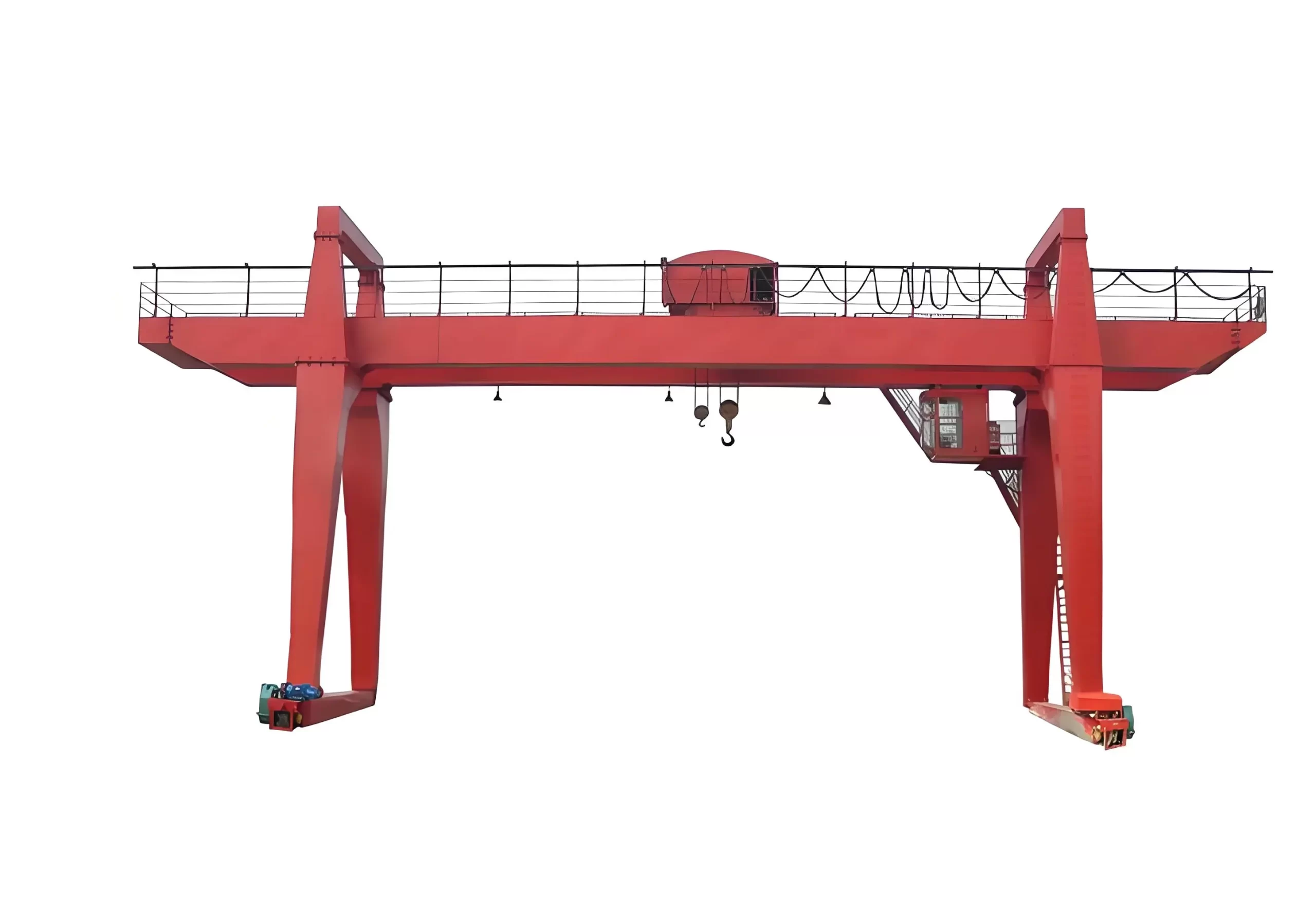
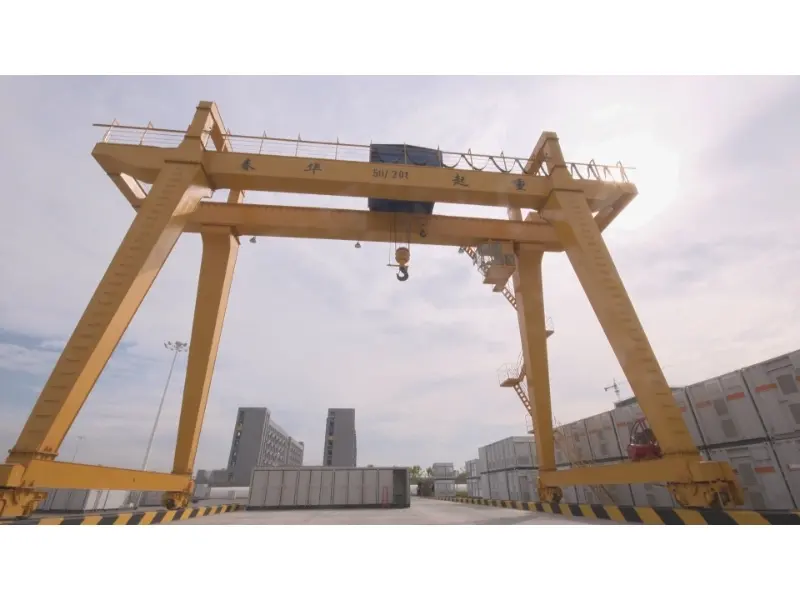
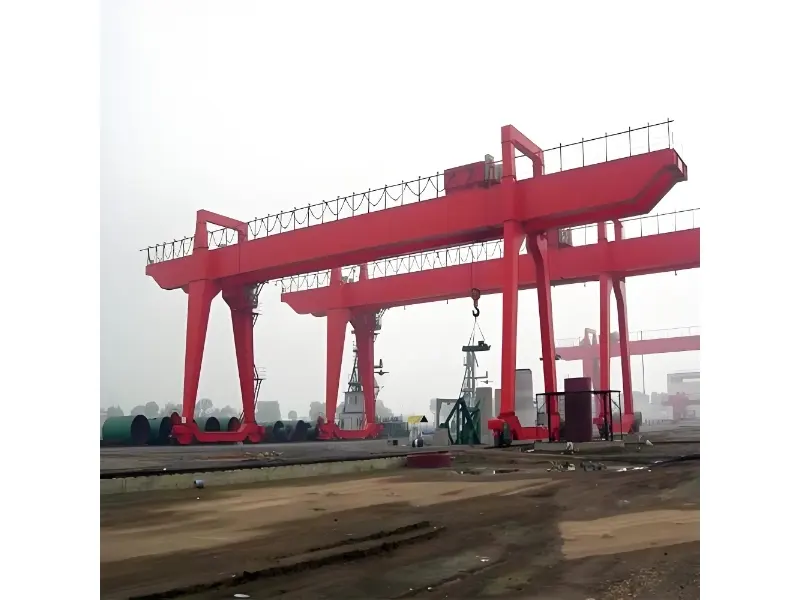
In the realm of heavy industry, shipbuilding, and container terminal operations, the commissioning of a mega gantry crane represents a monumental capital investment. These giants, often spanning hundreds of feet and capable of lifting thousands of tons, are the lifelines of global commerce. However, the success of such a project does not begin when the crane arrives; it begins months, if not years, earlier during the site preparation and logistics phase.
Ensuring a seamless gantry crane installation requires a meticulous fusion of civil engineering, global supply chain management, and rigorous safety protocols. This guide explores the critical requirements for preparing your site and managing the complex gantry crane logistics necessary to bring these massive structures to life.
The Foundation of Success: Site Assessment and Civil Engineering
A mega gantry crane is only as stable as the ground it stands on. Unlike smaller workshop cranes, mega-scale equipment exerts immense point loads on the rails and the underlying soil.
Soil Bearing Capacity and Geotechnical Surveys
Before any concrete is poured, a comprehensive geotechnical survey is mandatory. Engineers must determine the soil bearing capacity to ensure it can withstand the static weight of the crane and the dynamic loads during lifting operations. For sites with soft soil, such as reclaimed port land, deep piling or ground stabilization techniques (like stone columns or jet grouting) may be required.
Rail Installation and Alignment Precision
The “runway” for a mega gantry crane must be engineered to exacting tolerances.
- Load Distribution: Steel rails must be mounted on reinforced concrete beams or “sole plates” designed to distribute weight evenly.
- Alignment: Even a few millimeters of deviation in rail parallelism can lead to “crane skew,” causing excessive wear on wheels and motors, or in worst-case scenarios, structural failure.
- Electrical Grounding: Given their height, these cranes are lightning magnets. Integrating a robust grounding system into the rail foundation is non-negotiable.
Navigating the Labyrinth of Gantry Crane Logistics
Moving a mega gantry crane from the manufacturing facility to the installation site is one of the most challenging feats in modern logistics. Because these components are frequently “Over Dimensional Loads” (ODL), standard shipping methods are rarely applicable.
Multimodal Transportation Strategies
The logistics chain typically involves a combination of specialized road transport, heavy-lift barges, and ocean-going vessels.
- Ocean Freight: For international projects, components are often shipped via Breakbulk vessels or heavy-lift ships equipped with their own onboard cranes.
- The “Last Mile” Challenge: Often, the most difficult part of gantry crane logistics is the final few miles to the site. This may require temporary road closures, the removal of overhead power lines, or the reinforcement of local bridges to accommodate the weight.
Customs and Regulatory Compliance
Navigating international borders requires meticulous documentation. Delays at customs can result in astronomical demurrage fees. Working with a logistics partner who understands the specific harmonized system (HS) codes for crane components and the local permits required for oversized transport is essential for maintaining the project timeline.
On-Site Assembly: The Rigging and Erection Phase
Once the components arrive, the site transforms into a high-stakes assembly line. The gantry crane installation process at this scale usually involves “crane-on-crane” operations.
Deployment of Assist Cranes
To lift the main girders of a mega gantry crane, installers often deploy large crawler cranes or high-capacity mobile cranes. The “Dual Lift” technique is frequently used, where two assist cranes synchronize their movements to hoist a single massive girder into position on top of the support legs.
The Importance of a Staging Area
A common mistake in site preparation is underestimating the space required for assembly. A mega crane requires a vast, level staging area where components can be unboxed, inspected, and pre-assembled. This area must be kept clear of other site traffic to ensure the safety of the specialized rigging crews.
Power Supply and Infrastructure Integration
A mega gantry crane is a power-hungry beast. Integrating it into the local grid or the facility’s power system is a critical step in site preparation.
- Busbar vs. Cable Reel: Depending on the travel distance, the site must be equipped with either a protected busbar system or a trench for cable reels.
- Voltage Requirements: Many mega cranes operate on medium voltage (e.g., 6.6kV or 11kV). Transformers and switchgear must be installed and tested well before the crane’s commissioning phase.
- Digital Infrastructure: Modern cranes are part of the “Industrial Internet of Things” (IIoT). Site prep should include the installation of fiber optic lines or robust industrial Wi-Fi to support remote diagnostics and automated terminal operating systems (TOS).
Safety Protocols and Risk Management
In the world of heavy lifting, there is no margin for error. Gantry crane installation is high-risk work that demands a “Safety First” culture.
Exclusion Zones and Public Safety
During the erection phase, the site must be strictly zoned. Exclusion zones must be enforced where no personnel are allowed under “suspended loads.”
Weather Contingency Planning
High winds are the enemy of crane installation. Site managers must have real-time access to meteorological data. Every project must have a “Safe Wind Speed” threshold; if wind speeds exceed this limit, all lifting operations must cease immediately, and partially assembled structures must be secured or “storm-pinned.”
Choosing the Right Partner for Your Mega Project
The complexity of these installations highlights the need for a manufacturer that doesn’t just sell equipment but provides a total solution. Whether you are looking for specialized port solutions or heavy industrial equipment, selecting a partner with a proven track record in mega gantry crane engineering is paramount.
For those in the planning stages of a facility upgrade, exploring high-quality options is the first step. You can find detailed specifications and case studies on various models at Girder Crane’s Gantry Crane, which serves as an excellent resource for understanding the structural diversity of these machines.
Conclusion
Successful gantry crane installation is an orchestral performance where civil engineering, gantry crane logistics, and on-site technical expertise must play in perfect harmony. By investing heavily in the “invisible” work—the site preparation, the soil testing, and the logistical planning—facility owners ensure that their mega gantry crane will operate reliably for decades to come.
FAQ
Q1: How long does the site preparation phase usually take for a mega gantry crane?
A: Depending on the soil conditions and the scale of the crane, site preparation can take anywhere from 3 to 9 months. This includes geotechnical surveys, foundation piling, rail installation, and electrical infrastructure setup. It is critical not to rush this phase, as foundation errors are extremely costly to fix once the crane is erected.
Q2: What is the biggest risk during the logistics and transportation of crane components?
A: The primary risk is physical damage during transit, particularly for precision-machined parts and electrical housings. Because gantry crane logistics involve over-dimensional loads, “route surveys” are essential to identify low bridges, narrow turns, or weight-restricted roads that could lead to accidents or significant delays.
Q3: Can a mega gantry crane be installed in an existing facility without stopping operations?
A: Yes, but it requires a “Phase-In” strategy. This involves creating a dedicated construction corridor and using temporary fencing to separate the installation zone from the operational zone. Scheduling high-risk lifts during off-peak hours or scheduled maintenance shutdowns is a common practice to minimize the impact on productivity.