


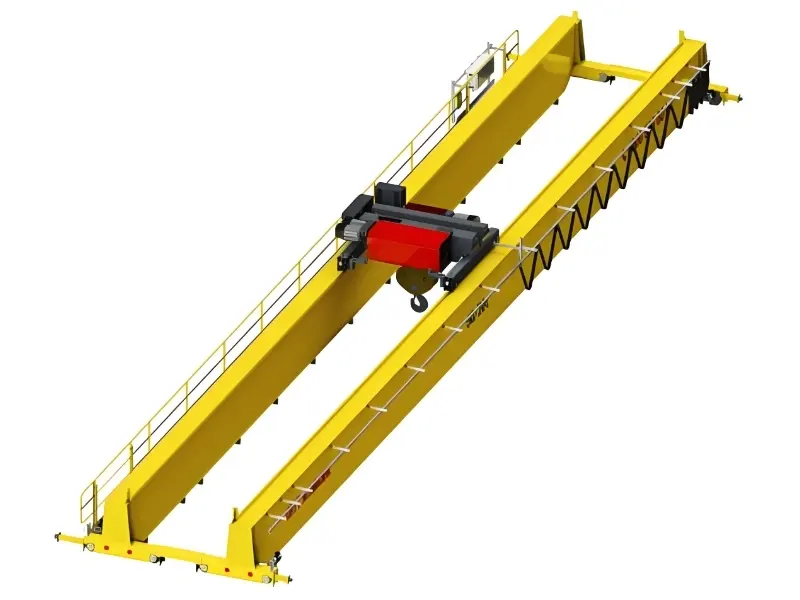
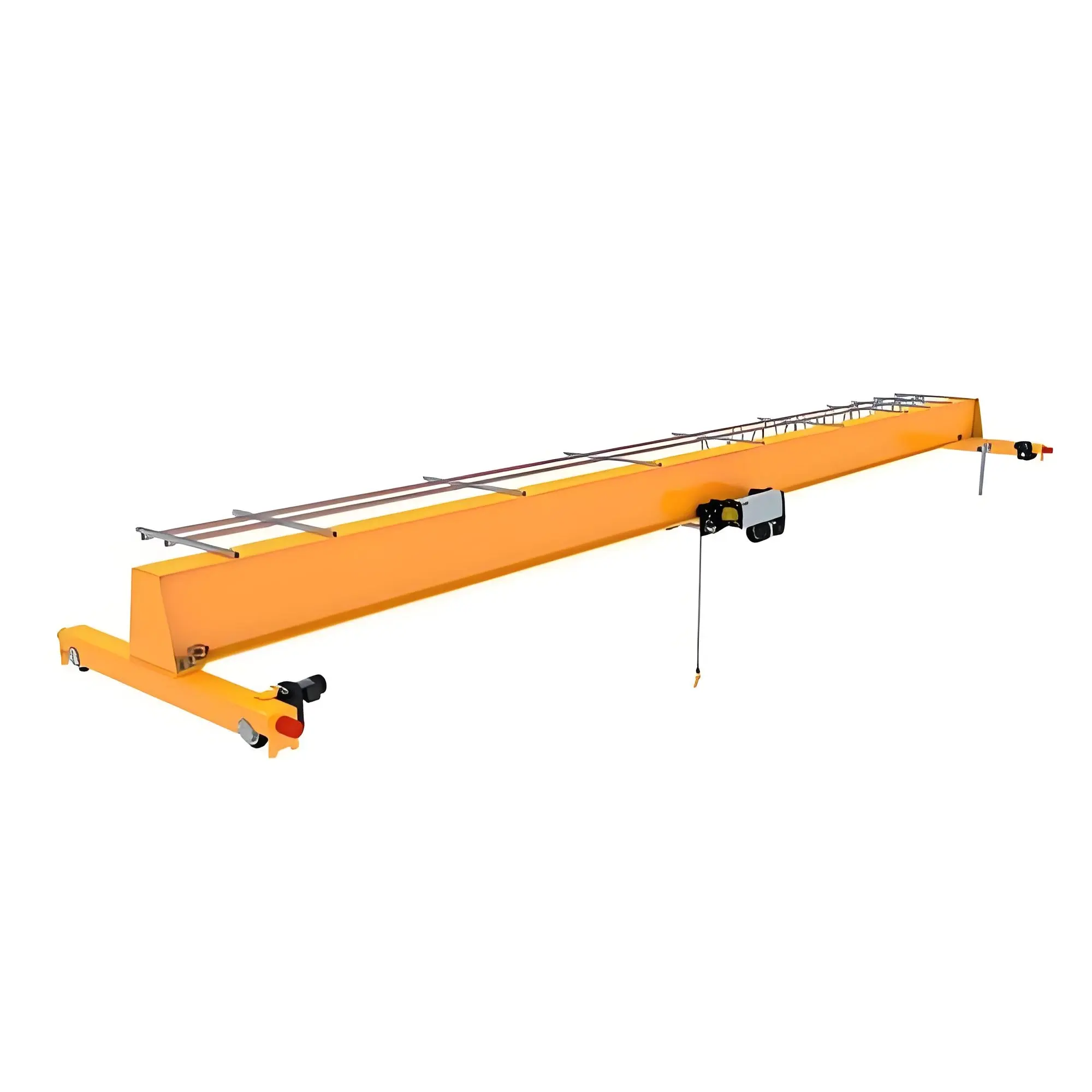
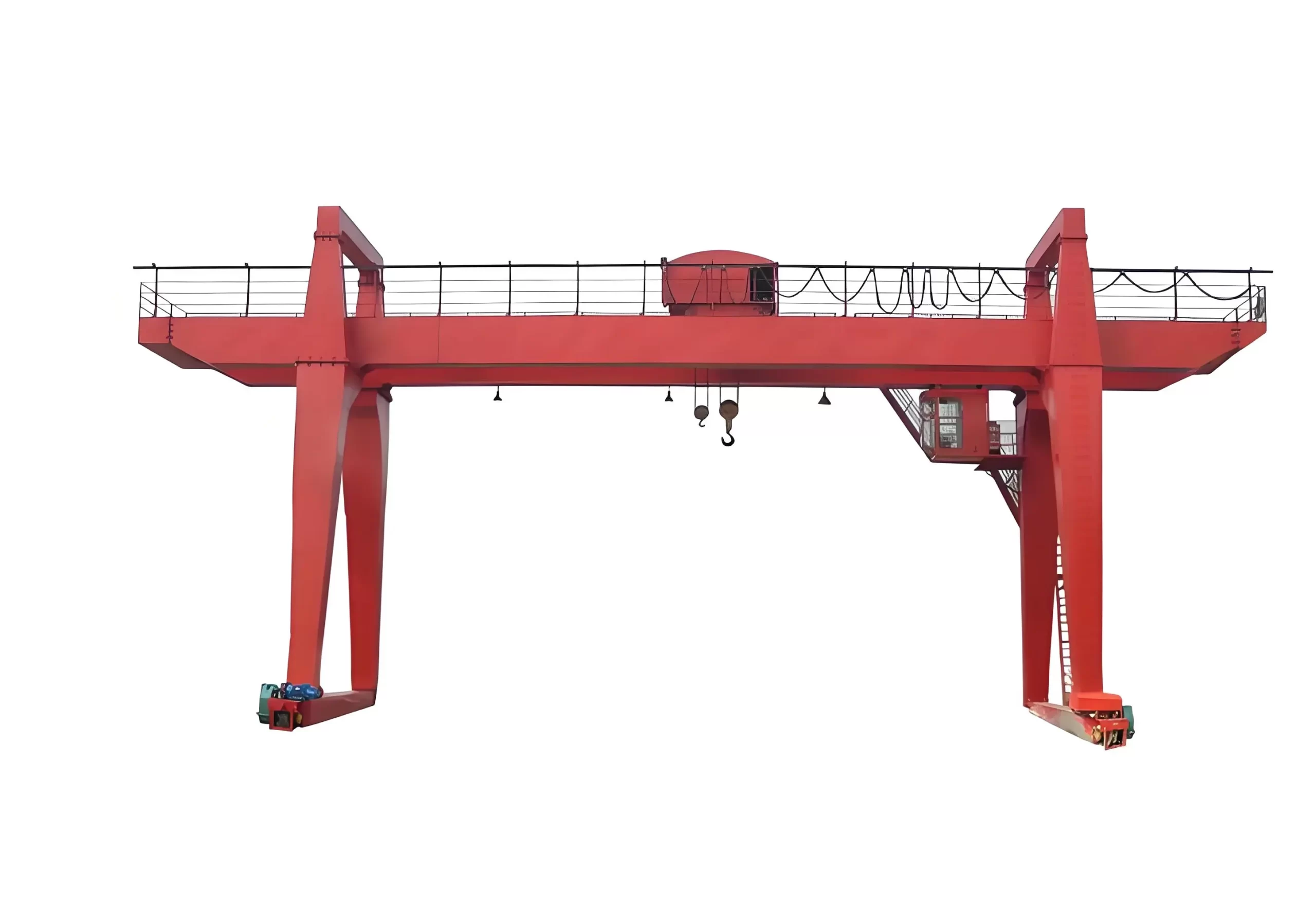
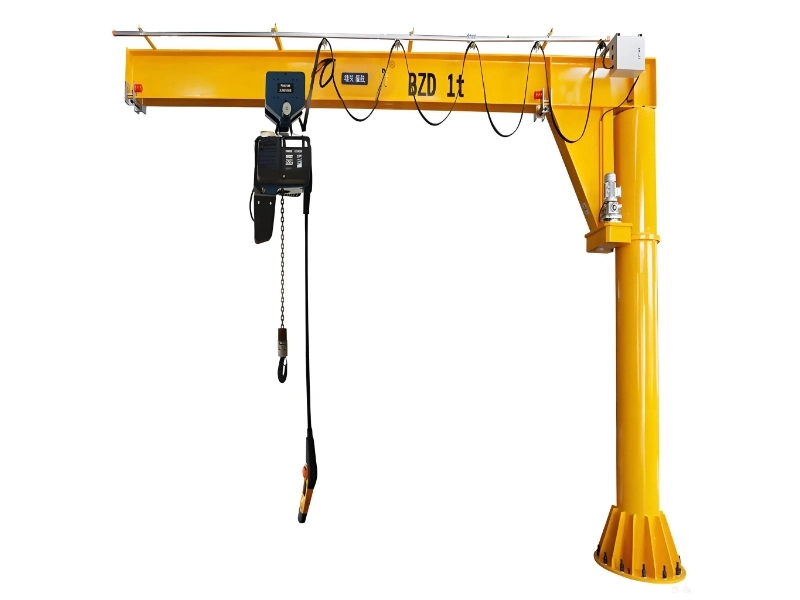
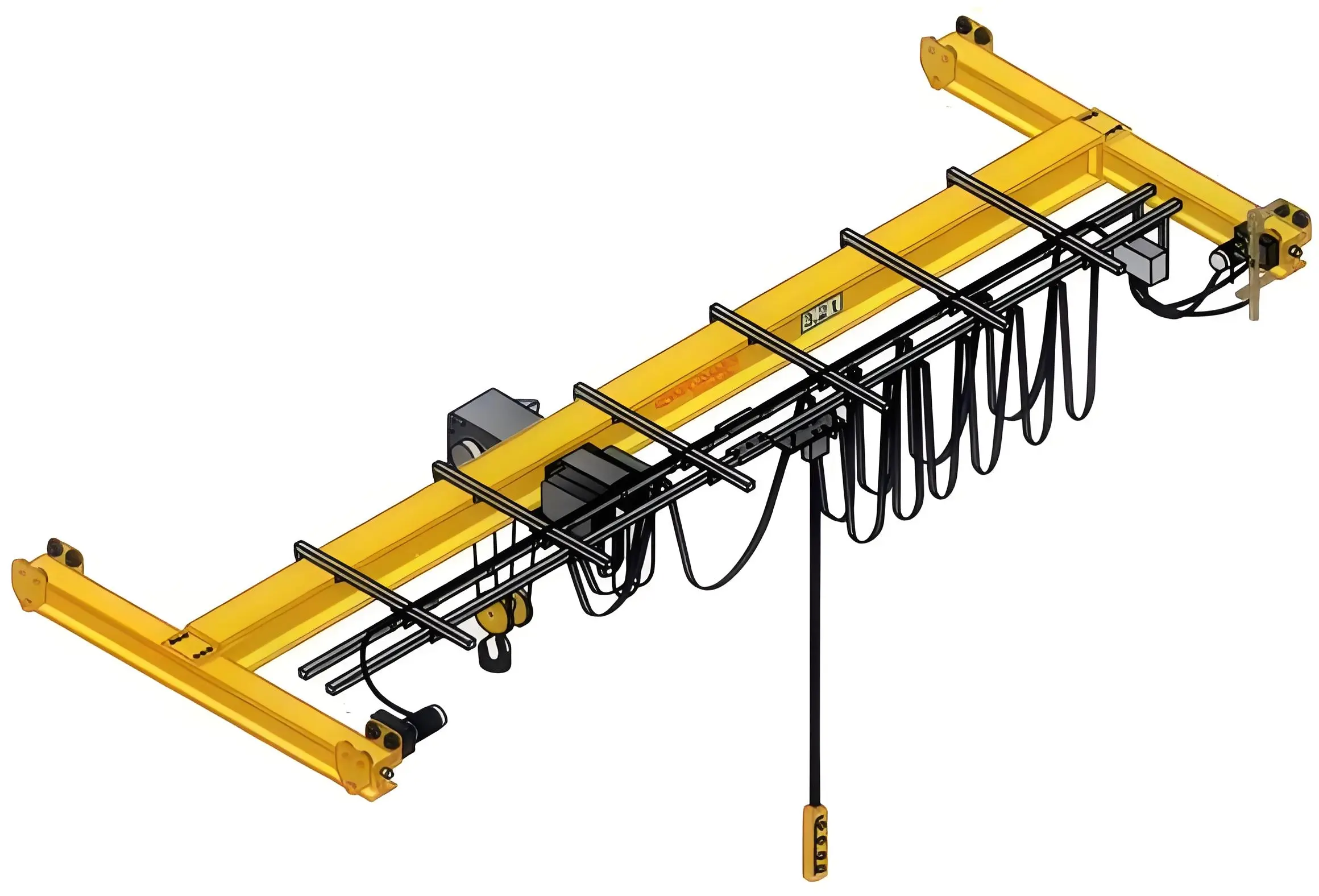
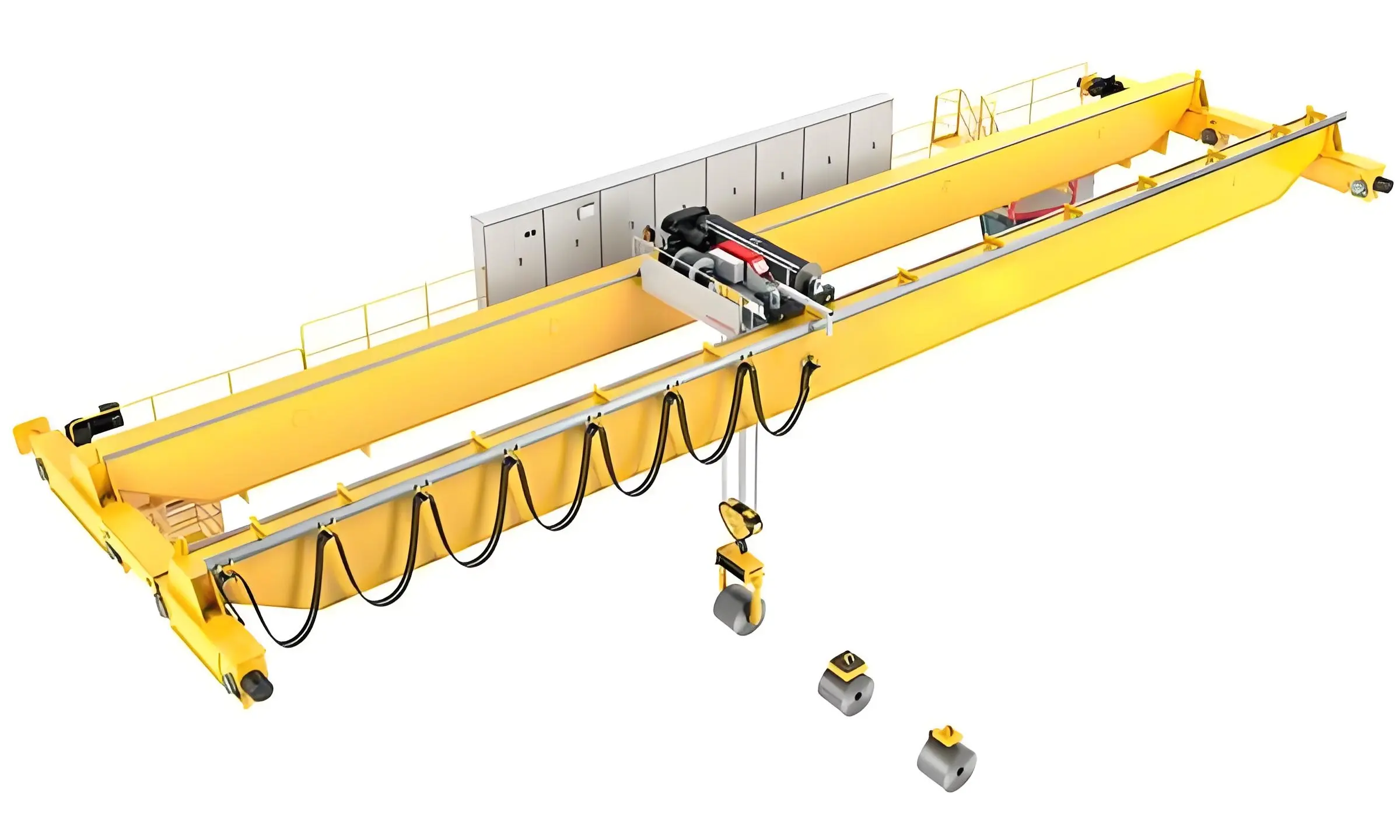
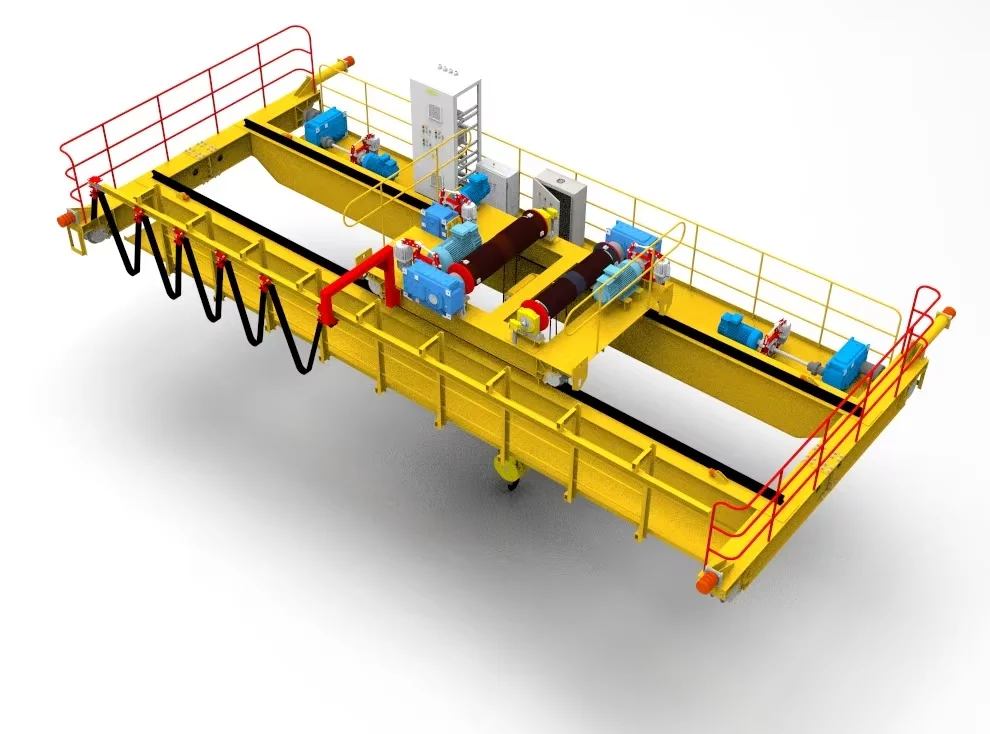
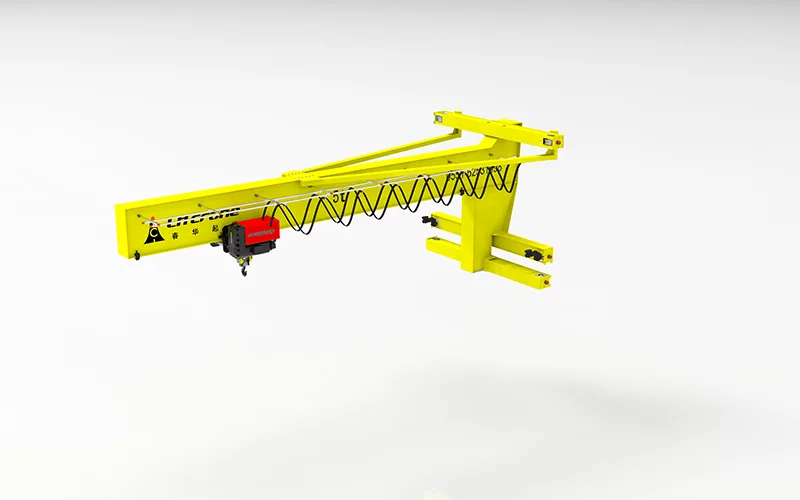
When planning a modern industrial plant, the choice of material handling system often determines both initial construction costs and long-term operational efficiency. Many business owners face a dilemma when making this decision: should they choose a traditional overhead bridge crane or a more flexible suspension crane?
From a cost optimization perspective, there are significant differences between the two. Chunhua will provide an in-depth analysis of why, in specific scenarios, high-performance suspension cranes can be key to reducing costs.
Differences in Building Structure Requirements: Saving More Than Just Steel
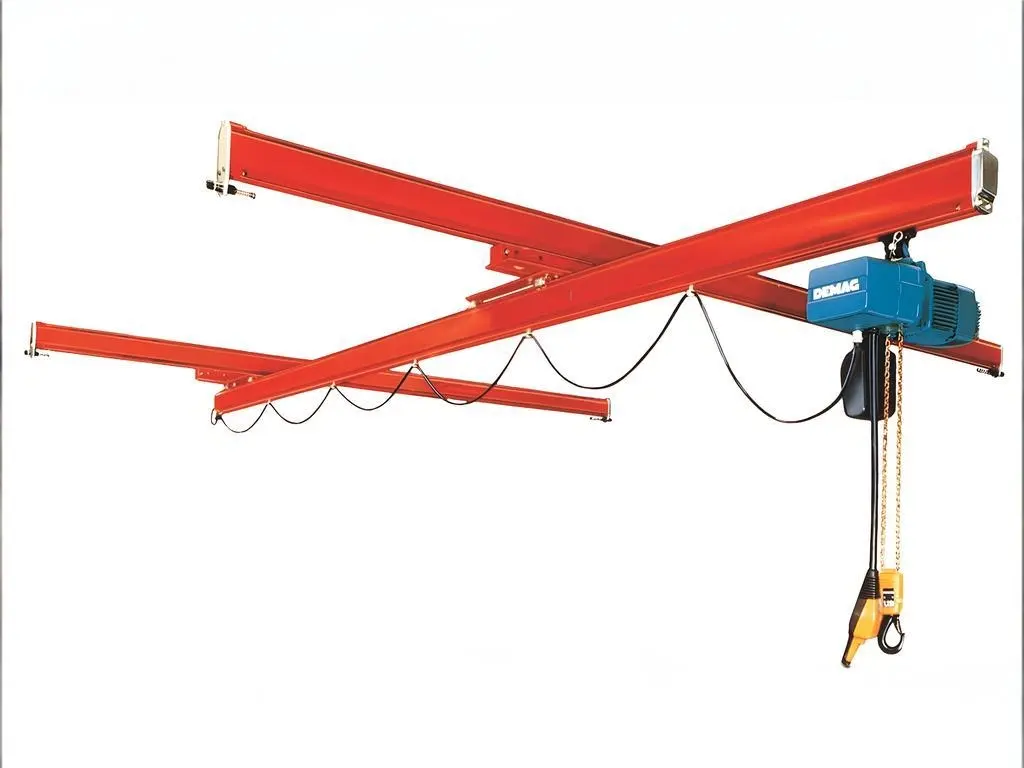
Overhead bridge cranes typically require the construction of dedicated corbels and support columns on both sides of the factory building, demanding extremely high structural strength and significant investment in foundation construction. The unique feature of suspension cranes is that their running tracks are directly installed on the roof trusses or ceiling structure of the factory building.
Reduced civil engineering costs: Because no additional support columns are needed, companies can significantly reduce the consumption of concrete and steel.
Maximized space utilization: Optimized crane solutions allow the hook travel to be closer to the walls, providing a larger working coverage area within the same building footprint.
Flexibility and Future Expansion: Adapting to Changing Production Needs
In today’s pursuit of flexible manufacturing, rapid changes in production lines are commonplace. Compared to bulky and difficult-to-move overhead bridge cranes, high-performance suspension cranes typically employ a modular design.
Easy modification: Whether extending the track or adding lifting hoists, the suspension system can be quickly adjusted without damaging the building structure.
Multi-area coverage: Through cross-track devices, suspension cranes can span different workshop areas, achieving seamless material flow and reducing redundant investment.
The Trade-off in Overall Operating Costs
While overhead bridge cranes have advantages in handling extremely heavy loads (usually over 5 tons), for most light and medium-duty processing and manufacturing, and precision assembly workshops, suspension cranes offer better value for money. Expert advice: If your factory building has limited height, or you want to increase handling capacity in an existing old factory building, a suspended crane system is almost the only low-cost alternative. It does not require changes to the building structure and greatly shortens the installation and commissioning cycle.
Summary: How to choose the most suitable crane solution?
Choose a bridge crane if: You need to handle huge tonnages, require extremely large spans, and your factory building foundation already has heavy-duty load-bearing capabilities.
Choose a suspended crane if: You want to maximize factory space utilization, have a limited budget but require high handling precision, and need frequent adjustments to workstation layouts in light industrial settings.
Choosing the right crane solution is essentially about finding the balance between efficiency and cost. By introducing a high-performance suspended crane system, you are not only purchasing a piece of equipment, but also optimizing the economic efficiency of your entire production space.
Are you designing a material handling solution for a new factory building? We can provide you with a free crane selection comparison table and cost estimate. If you need load calculations for a specific span, please feel free to contact Chunhua.