

Company Vision
Striving to become a first-class modern industrial equipment manufacturing enterprise, serving the industry and contributing to society
Company Vantage
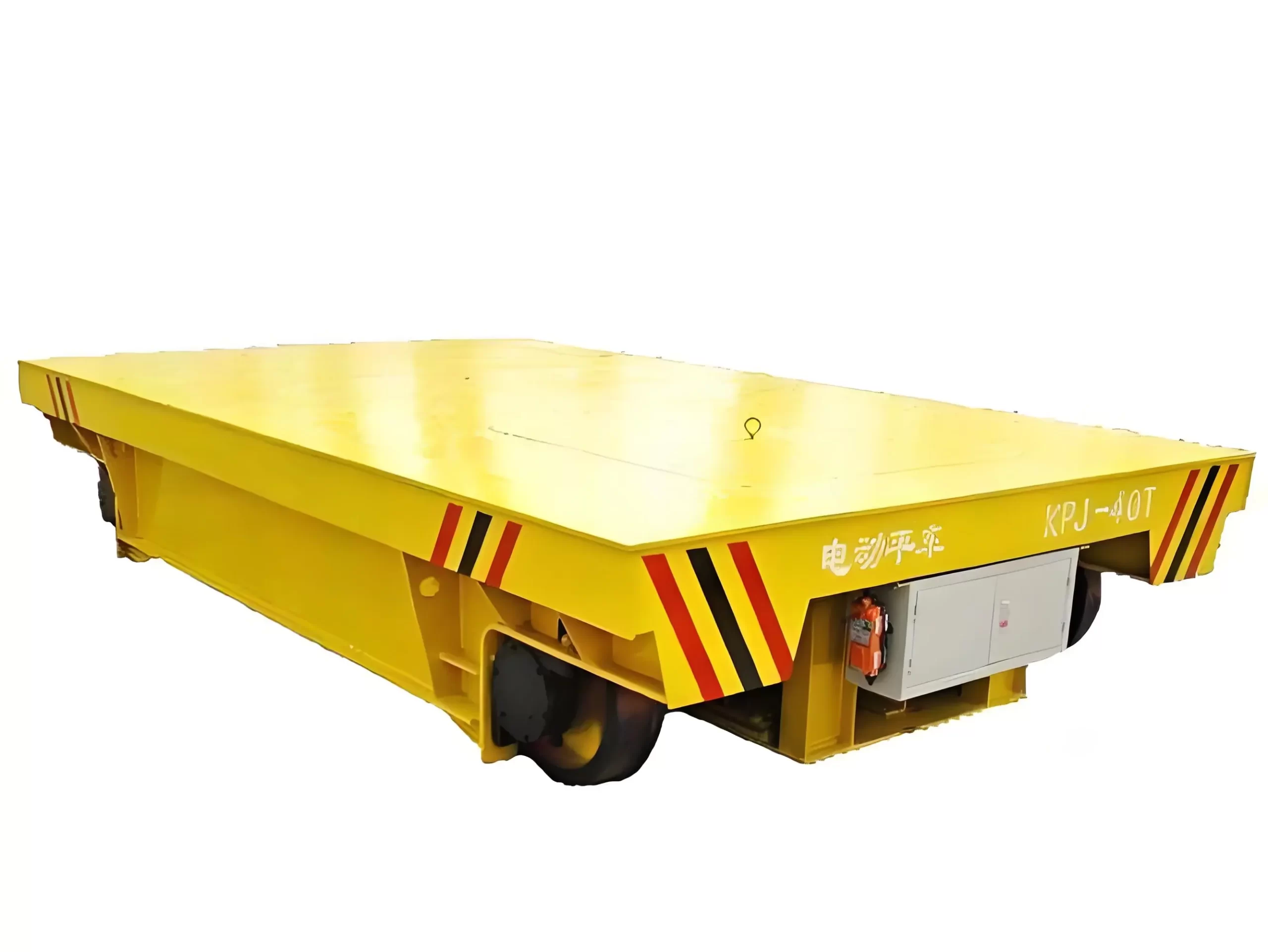
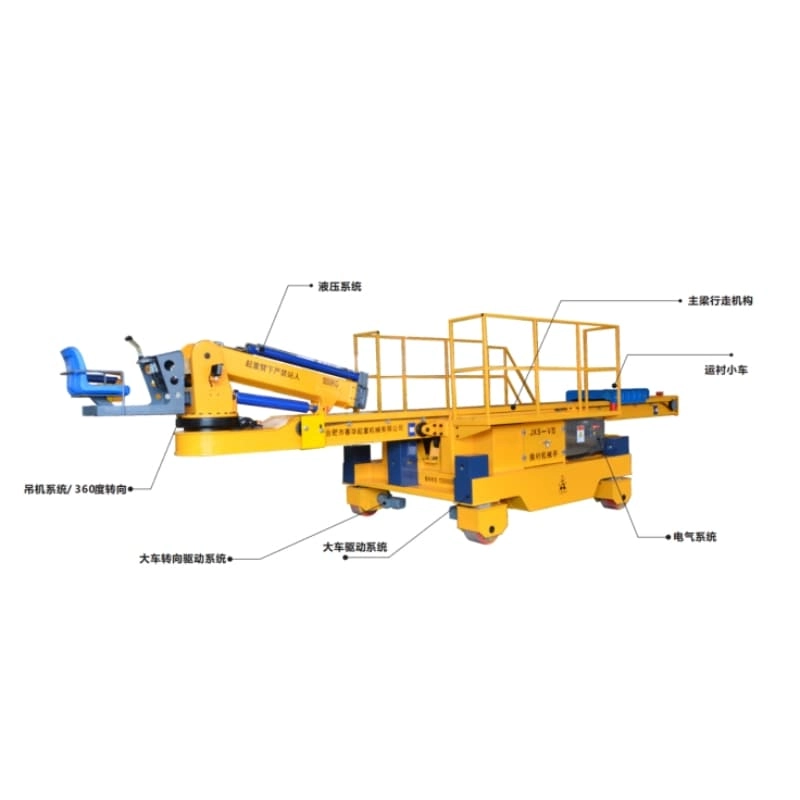
Chunhua Group has participated in the production of cranes for national roads, railways, construction enterprises, mining and industrial plant etc. We have a wealth of experience and have undertaken many multi-billion dollar large and medium-sized projects.
The company has more than 27 years crane manufacturing experience. 4200+ partners. 450+ Employees. factory area of 73000 square meters .
Cumulative revenue in the last three years exceeded $1 billion.
Chunghwa Group attaches great importance to quality and innovation.
Chunhua Group has passed multiple domestic and foreign certification licenses. The company has a crane research and development team of 41 highly educated people, and The product has passsed ISO9001-2000 quality system certification, And Chunhua group have participated in the formulation of 3 cases of national standards. More than 130 patents for inventions. The quality is top notch.
Product Introduction
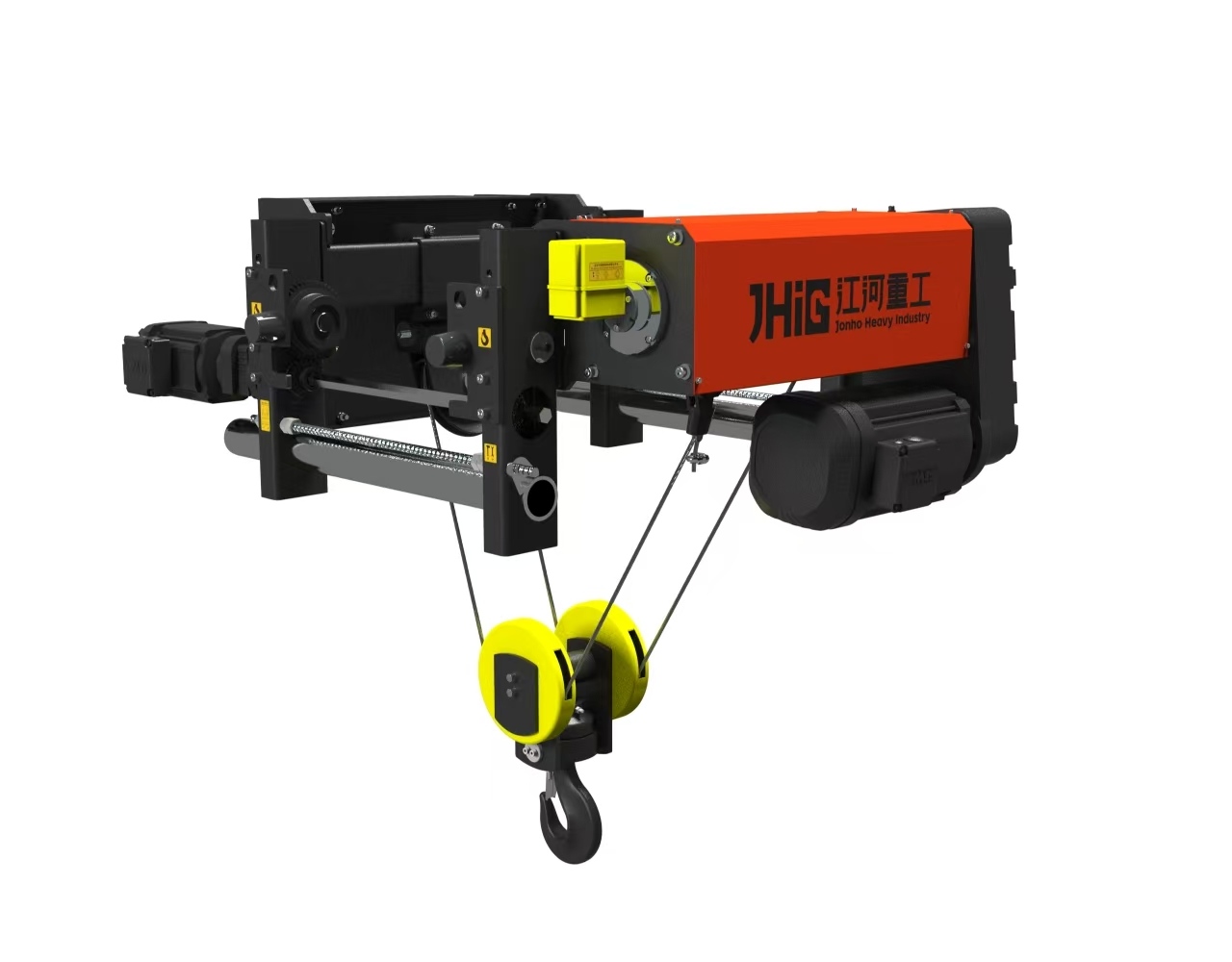
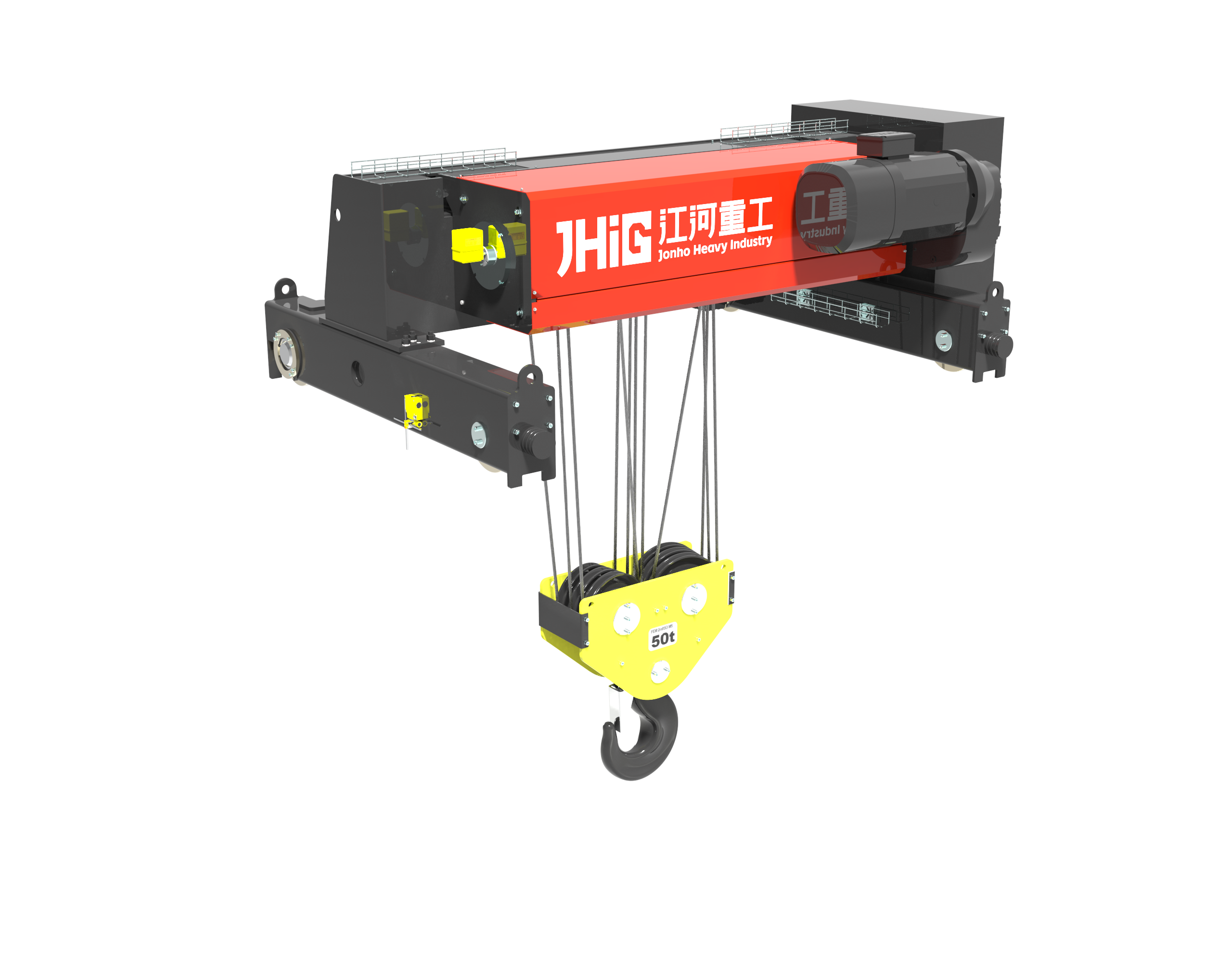
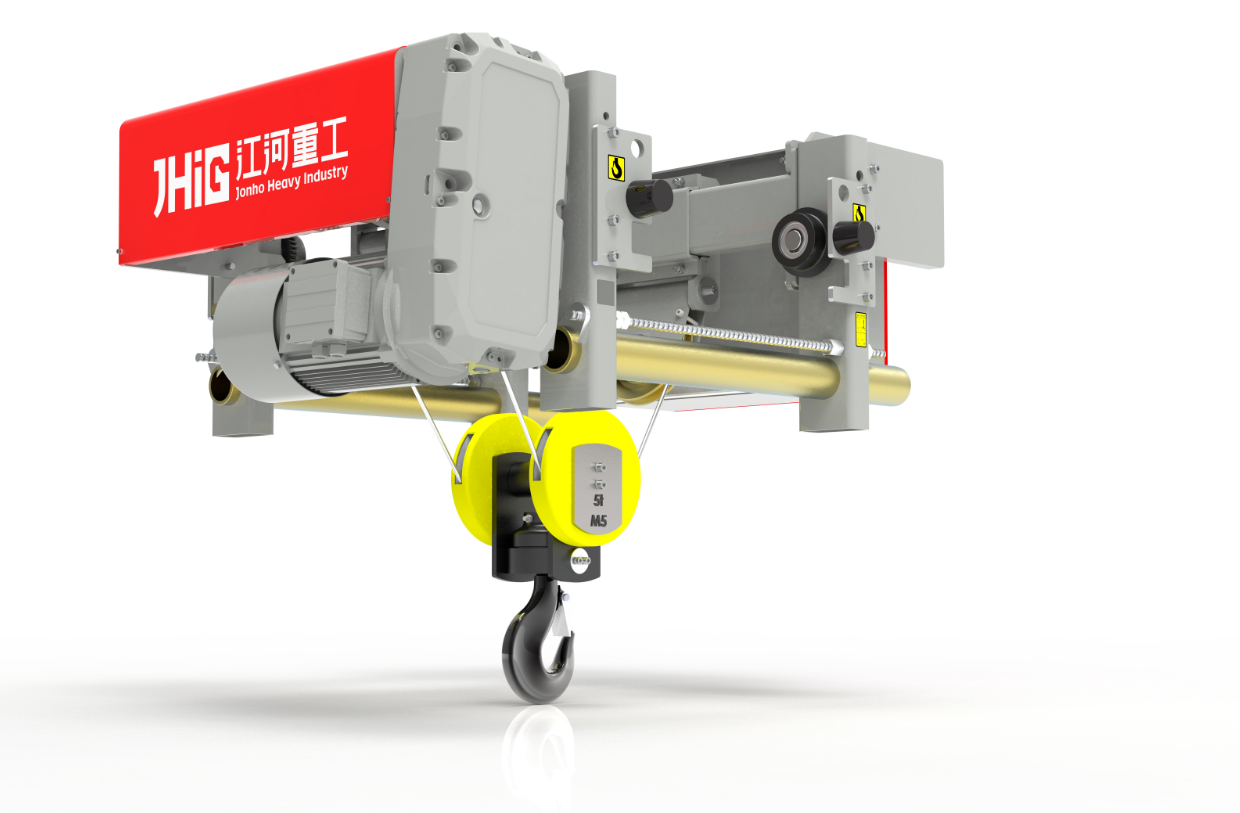
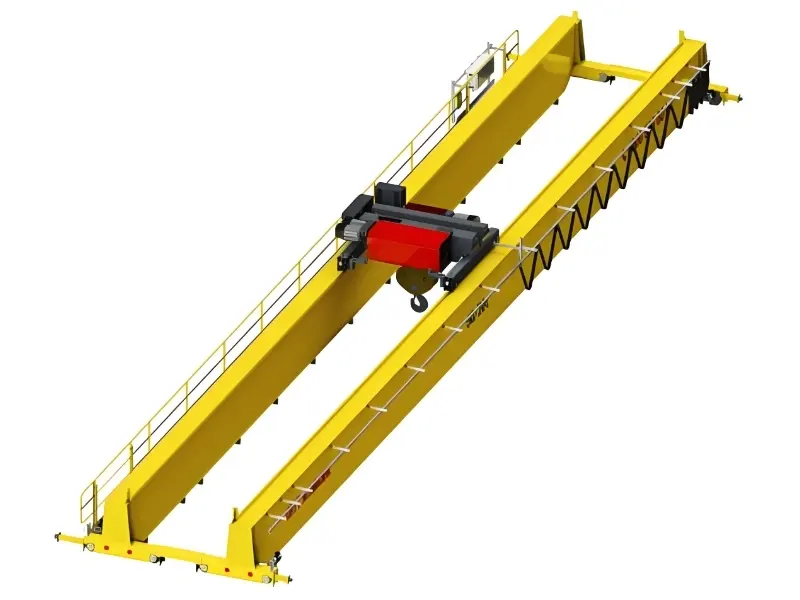
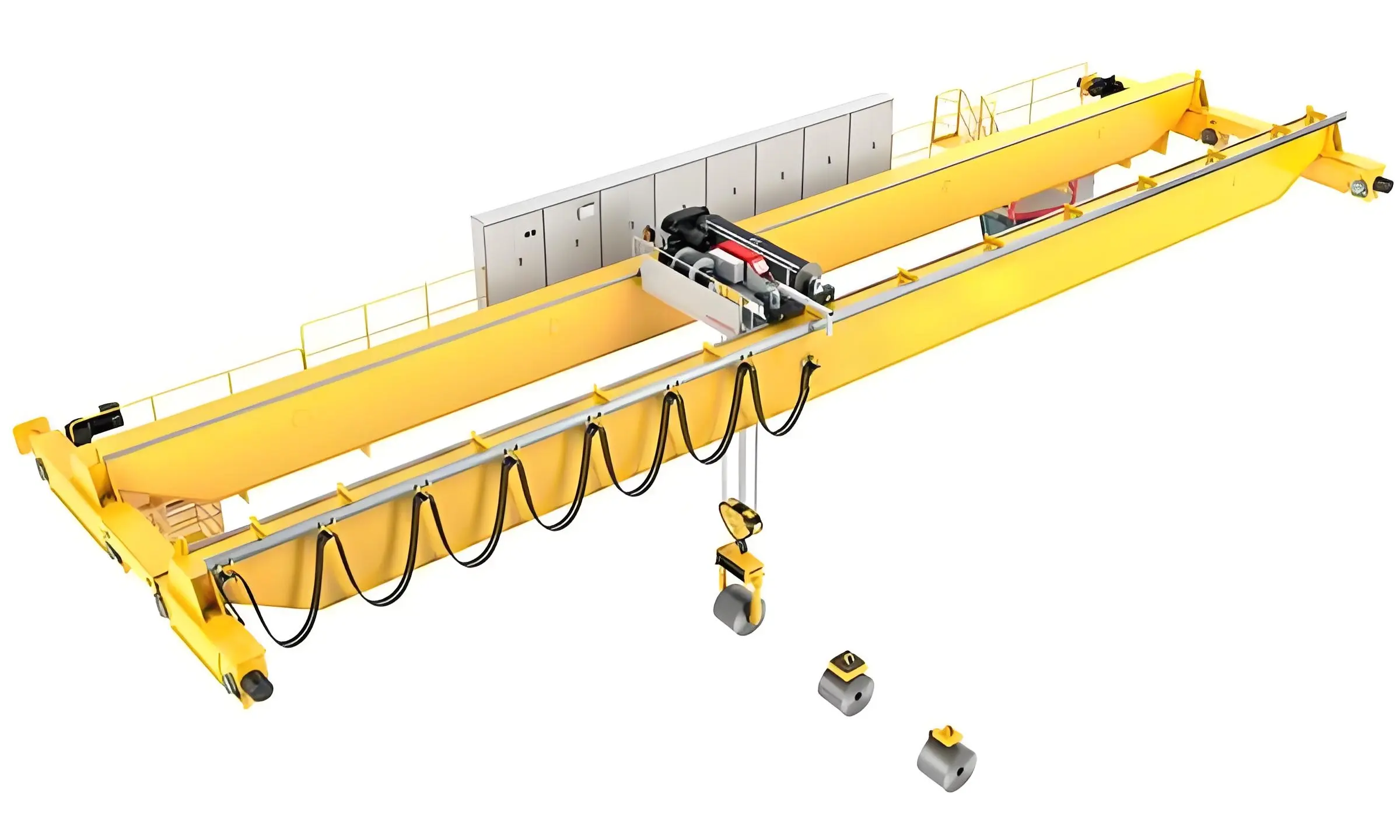
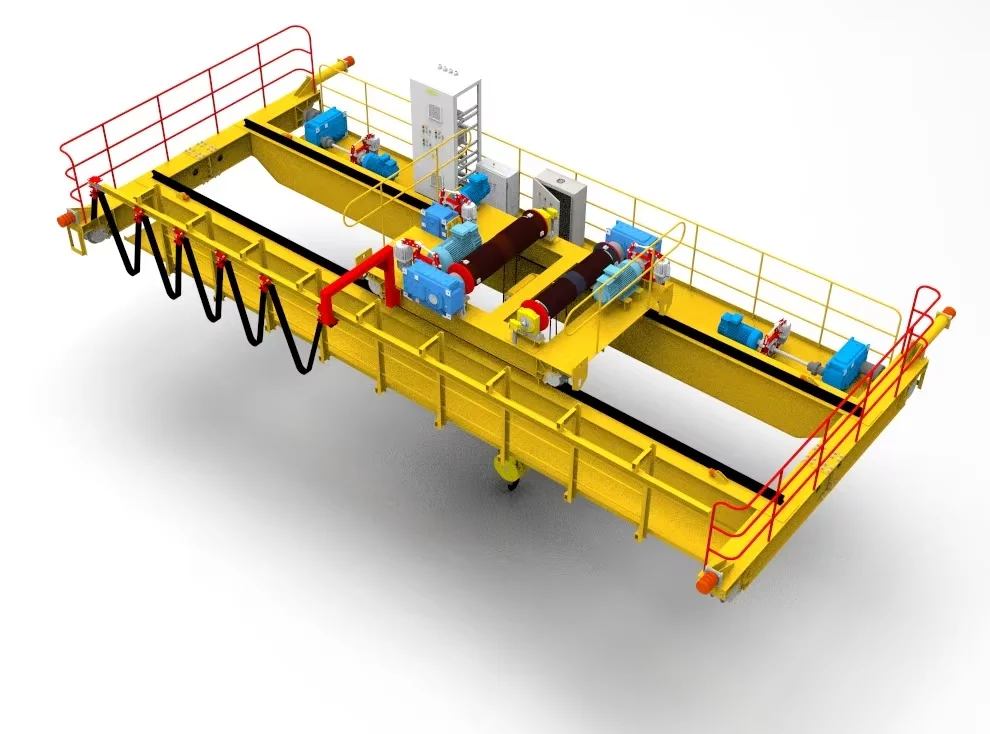
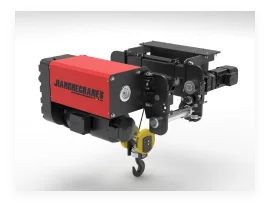
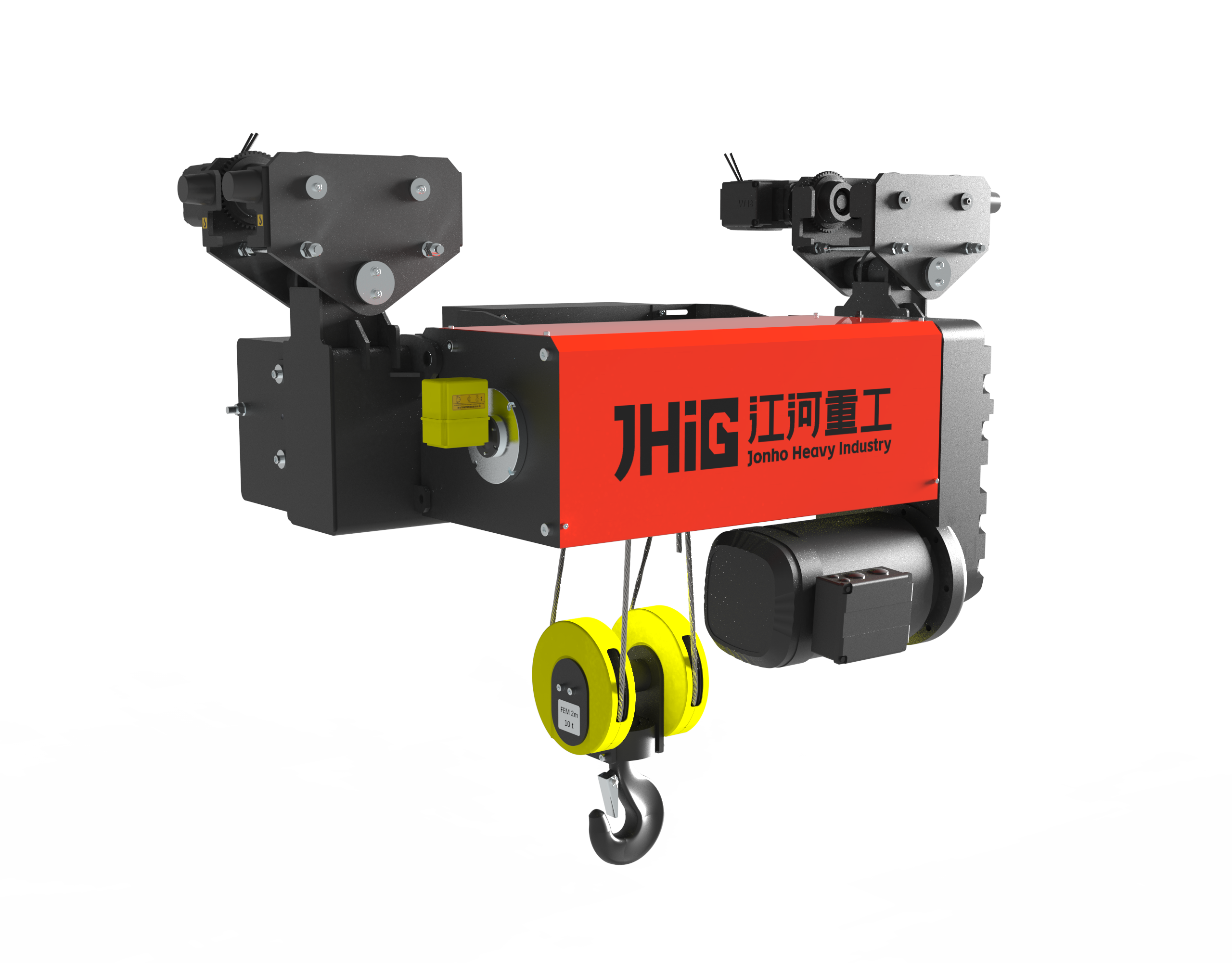
JHG European standard net height electric hoist is a high-end lifting device that adheres to European industrial design concepts and safety standards, redefining the standards for medium and light load lifting operations with “extreme net height, efficient stability, and safe reliability.” It optimizes the lifting mechanism and transmission system through modular design, boasting an industry-leading “net height” that allows for an effective lifting stroke in the same factory space, adapting to modern workshops, smart warehouses, and other efficient spatial scenarios. The equipment features a high-precision reducer and low-noise motor, in conjunction with multiple safety devices such as overload protection and emergency braking, ensuring continuous stable operation while maintaining operational safety. It also complies with EU CE and ISO international certifications, with a lightweight body suitable for single/double beam cranes and customized systems, providing energy-saving intelligent solutions for material handling, assembly, and debugging processes, making it the preferred equipment for upgrading enterprise lifting operations.
Applicable Standards
ISO 4301 – Cranes Classification:Classification of cranes and hoisting equipment according to working conditions, load cycles, and duty requirements.
ISO 8686 – Cranes Design Principles:Design principles and calculation methods for crane structures and mechanical components to ensure safety and reliability.
ISO 9927 – Cranes Inspections:General requirements for crane inspections, including inspection procedures and safety checks.
ISO 12100 – Safety of Machinery:General principles for machinery safety design, risk assessment, and risk reduction.
Technical Parameters
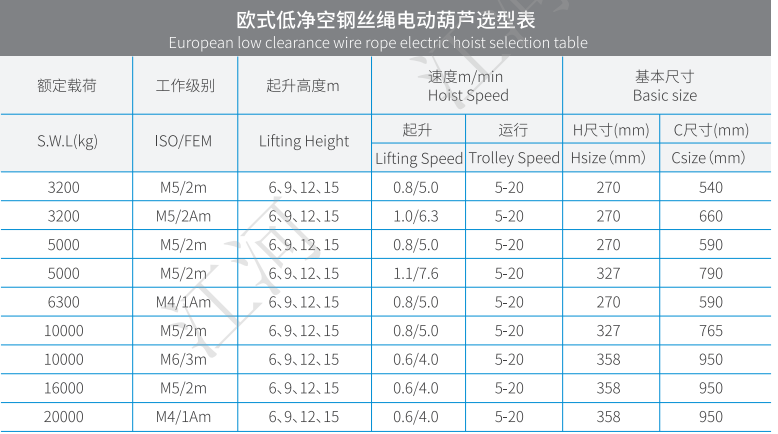
Note:
1. Each tonnage lifting speed can be selected from dual-speed or frequency conversion speed regulation modes, with frequency conversion speed regulation in operation;
2. The number of ropes in this series is 4/1;
3. For special requirements not specified in this catalog, please contact Anhui Jianghe Intelligent Equipment Group Co., Ltd.
Product Advantages
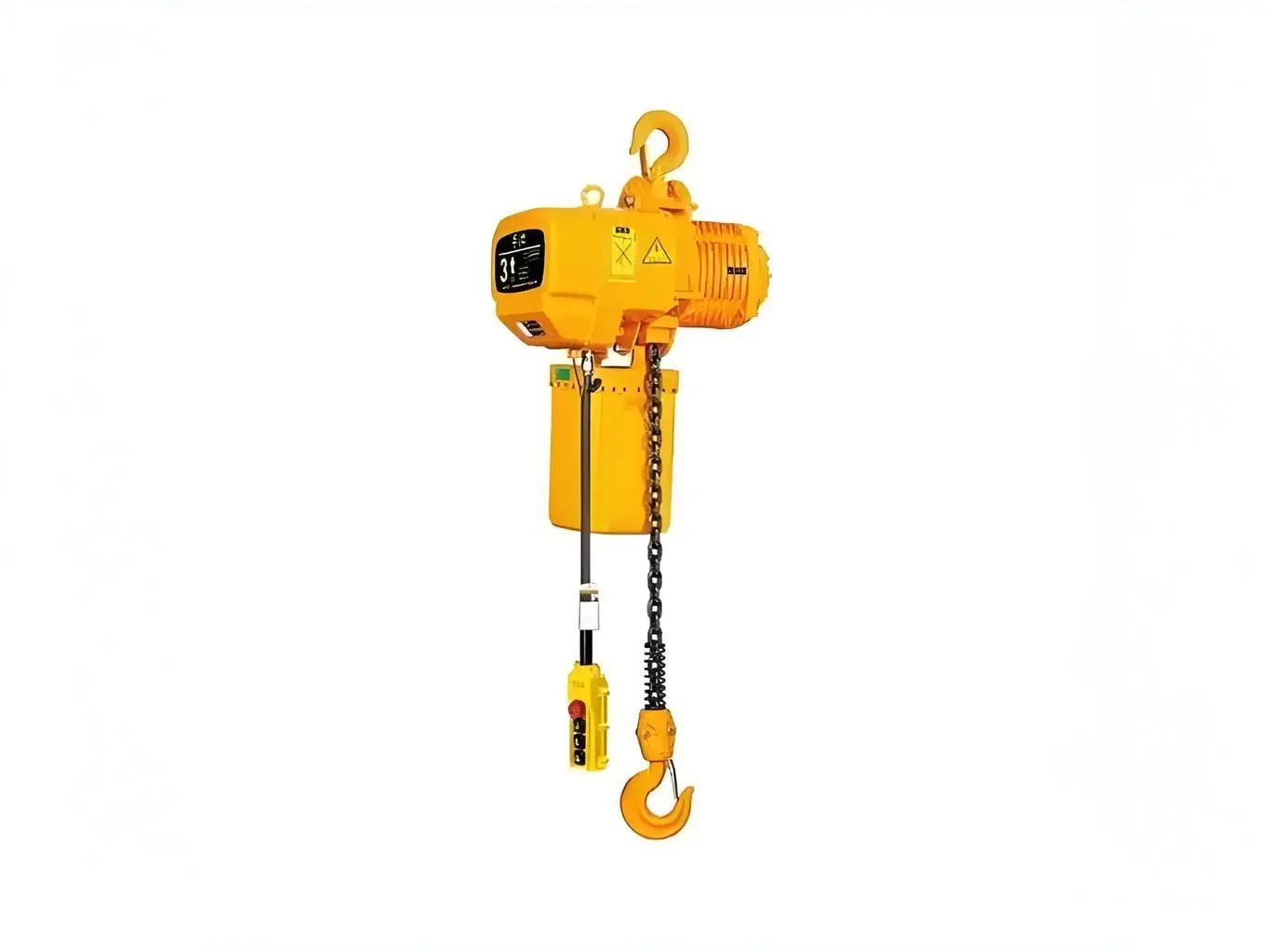
1.Efficiency: Electric hoists offer efficient lifting and lowering capabilities, powered by an electric motor for smooth and controlled operation.
2.Versatility: With various lifting capacities and configurations available, electric hoists are versatile and suitable for a wide range of applications.
3.Safety: Electric hoists are equipped with safety features such as overload protection, emergency stop buttons, and limit switches to ensure safe lifting operations.
4.Ease of Use: Designed for user-friendly operation, electric hoists are easy to operate and require minimal training for operators.
5.Durability: Constructed with robust materials and built to withstand heavy-duty use, electric hoists are durable and reliable for long-term performance.
6.Space-saving: Electric hoists are typically compact in size, making them suitable for use in confined spaces or areas with limited overhead clearance.
7.Customization: Electric hoists can be customized with additional features or accessories to meet specific lifting requirements or application needs.
8.Low Maintenance: With simple and straightforward maintenance requirements, electric hoists offer low operating costs and minimal downtime.
Applications
Electric hoists are commonly used in a variety of industries and applications, including:
Manufacturing facilities
Construction sites
Warehouses and distribution centers
Automotive repair shops
Shipping and logistics operations
Entertainment venues (e.g., theaters, concert halls) for stage rigging
Core Functions
Overload Protection Function:A built-in electronic overload protection device with a high-precision sensor is installed. When the actual lifting weight reaches approximately 105% of the rated lifting weight, the device acts quickly to cut off the power supply of the lifting circuit, preventing the hoist from continuing to rise. It also issues an overload alarm through indicators, buzzers, etc., to avoid safety accidents caused by overload.
Stable Operation Function:The running mechanism mostly adopts variable-frequency drive control, and the running speed can be flexibly adjusted as needed. The running speed is usually between 5 meters per minute and 20 meters per minute. Moreover, the start and brake processes are smooth, which can reduce the shaking amplitude of the heavy object during operation and achieve precise positioning.
Easy Operation Function:Two control methods are provided: wired manual controller and wireless remote controller. The control range of the wireless remote controller can generally reach several tens of meters, allowing the operator to work away from dangerous areas. The button layout of the remote controller is reasonable, in line with ergonomics, and easy to operate. By pressing the corresponding buttons, the hoist can be easily lifted, lowered, moved forward, moved backward, etc.
Special Design
Large Drum Design:It adopts large-diameter drum technology, with the drum diameter significantly larger than that of traditional electric hoists. This increases the bending radius of the steel wire rope during winding, reducing fatigue wear of the steel wire rope. Moreover, it can increase the winding amount of the steel wire rope within a limited axial length, effectively expanding the lifting height.
Lightweight Material Application:High-quality high-strength steel and lightweight alloy materials are widely used. For example, aluminum alloy is mostly used for motor casings and reducer boxes. On the basis of ensuring mechanical strength, it greatly reduces the equipment’s own weight, lessens the load pressure on factory building load-bearing beams and rails, and also makes the equipment easier to install and move.
Intelligent Diagnosis Concept:Many products are equipped with intelligent fault diagnosis and data monitoring modules, which can real-time monitor the equipment’s operating conditions and the status of key components. They automatically collect and record data such as motor temperature, brake opening and closing frequency, and steel wire rope tension, facilitating managers in equipment management and maintenance plan formulation.
Special Structure
Integrated Compact Structure:The lifting motor, brake, reducer and drum are compactly arranged into an integrated unit. The power transmission path is short and efficient, the mechanism layout is very compact, and the overall dimensions are small. This not only facilitates installation in narrow environments but also reduces the incidence of mechanical failures.
Parallel Transmission Layout:The motor output shaft is arranged parallel to the drum axis, and a gear transmission mechanism is used to transmit power. Compared with the traditional coaxial layout, the parallel layout can significantly reduce the height of the electric hoist. In factory workshops with limited headroom, the hook can rise to a higher position.
Independent Trolley Chassis:The trolley chassis is an independent frame structure, on which wheel sets, running drive mechanisms, etc., are installed. The chassis has sufficient rigidity, which can effectively disperse the load pressure of the hoist and ensure the stability and linearity of the hoist when running along the rail.
Basic Configuration
Pole-changing or Variable-Frequency Motor:Generally, a double-winding squirrel-cage pole-changing motor is used, which can realize high and low dual-speed operation. The high speed can meet the lifting speed requirement quickly, while the low speed allows fine-tuning for precise positioning. The motor has an insulation class of F, and the protection class is usually IP54 or above. In addition, some high-end models are equipped with variable-frequency speed-regulating motors, which have precise speed regulation and a wide range, enabling soft start and soft stop.
High-Precision Reducer:Hard-tooth-surface planetary gear reducers or cylindrical gear reducers are generally assembled. The gears undergo processes such as high-precision gear grinding and carburizing and quenching, resulting in high tooth surface hardness, wear resistance, high transmission efficiency, and low operating noise. Many reducers are maintenance-free for life under normal working conditions.
High-Quality Steel Wire Rope:High-strength imported steel wire ropes with a tensile strength of 2160MPa are selected. They have good flexibility, high breaking force, strong corrosion resistance, and a long service life, and can reliably carry the lifted heavy objects.
Sensitive Limiting Device:Most upper and lower limiters adopt gear-driven limiters. With the precise transmission of gears, when the hook reaches the upper limit or lower limit position, the circuit can be accurately cut off to stop the motor, preventing over-winding or over-laying.!