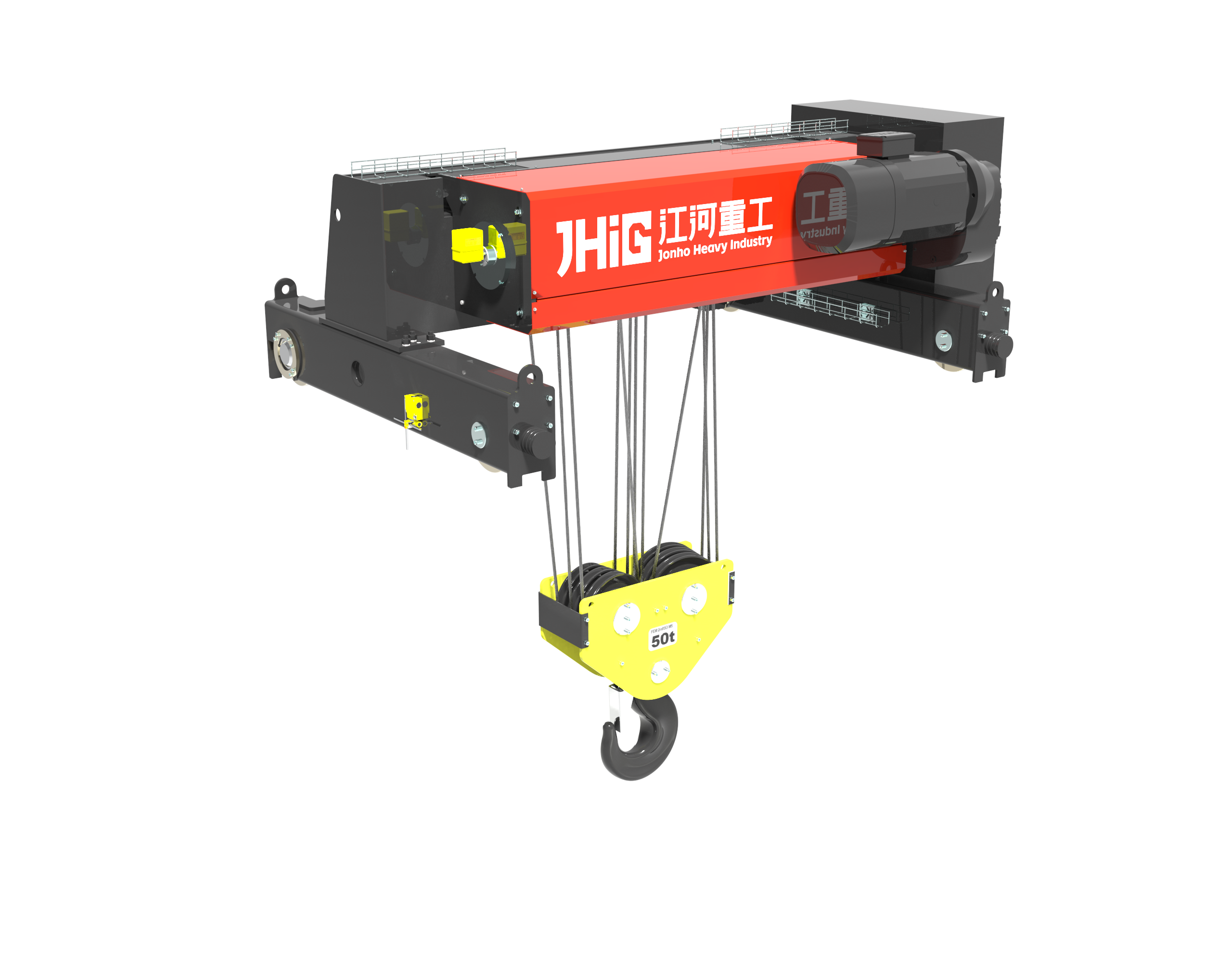


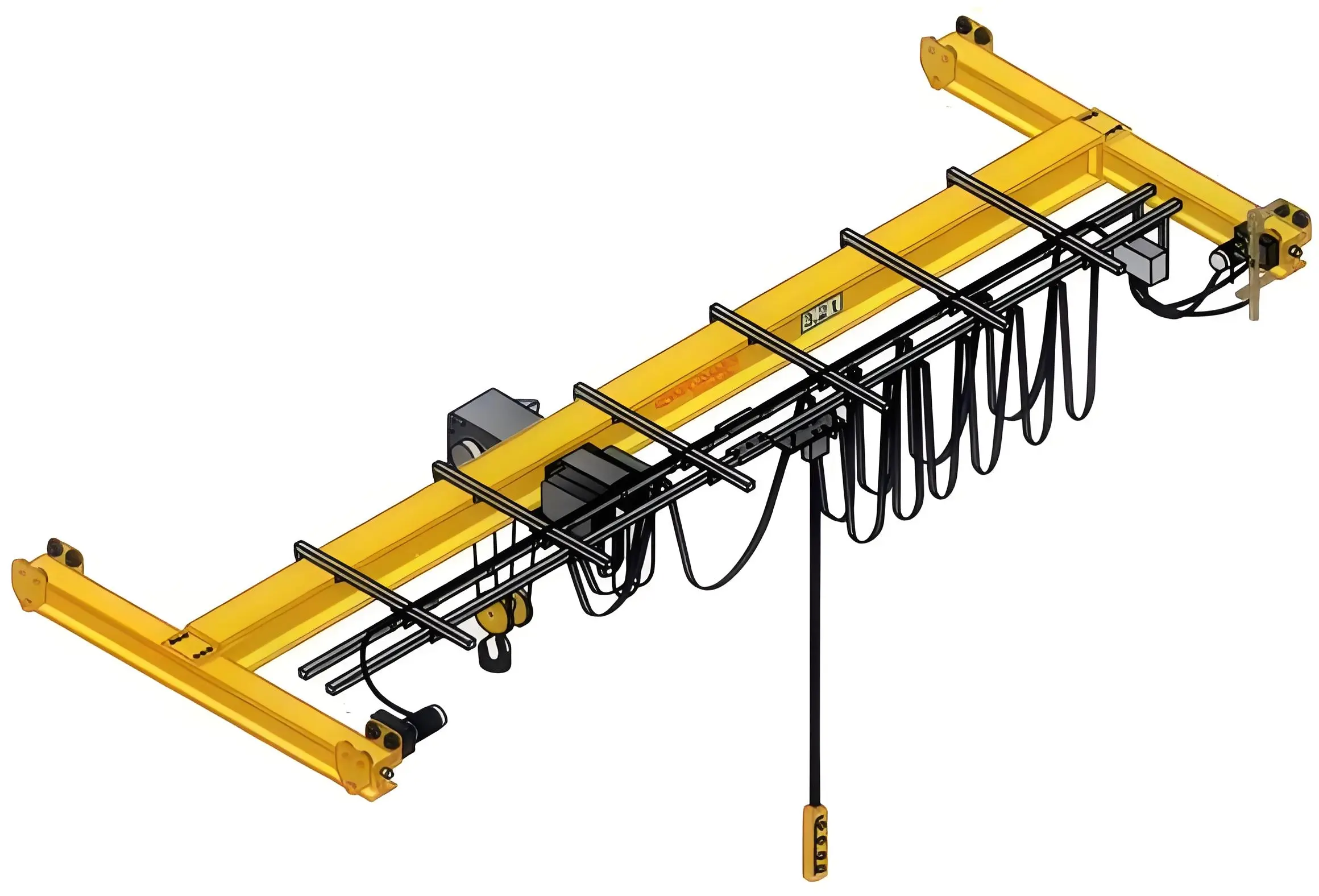
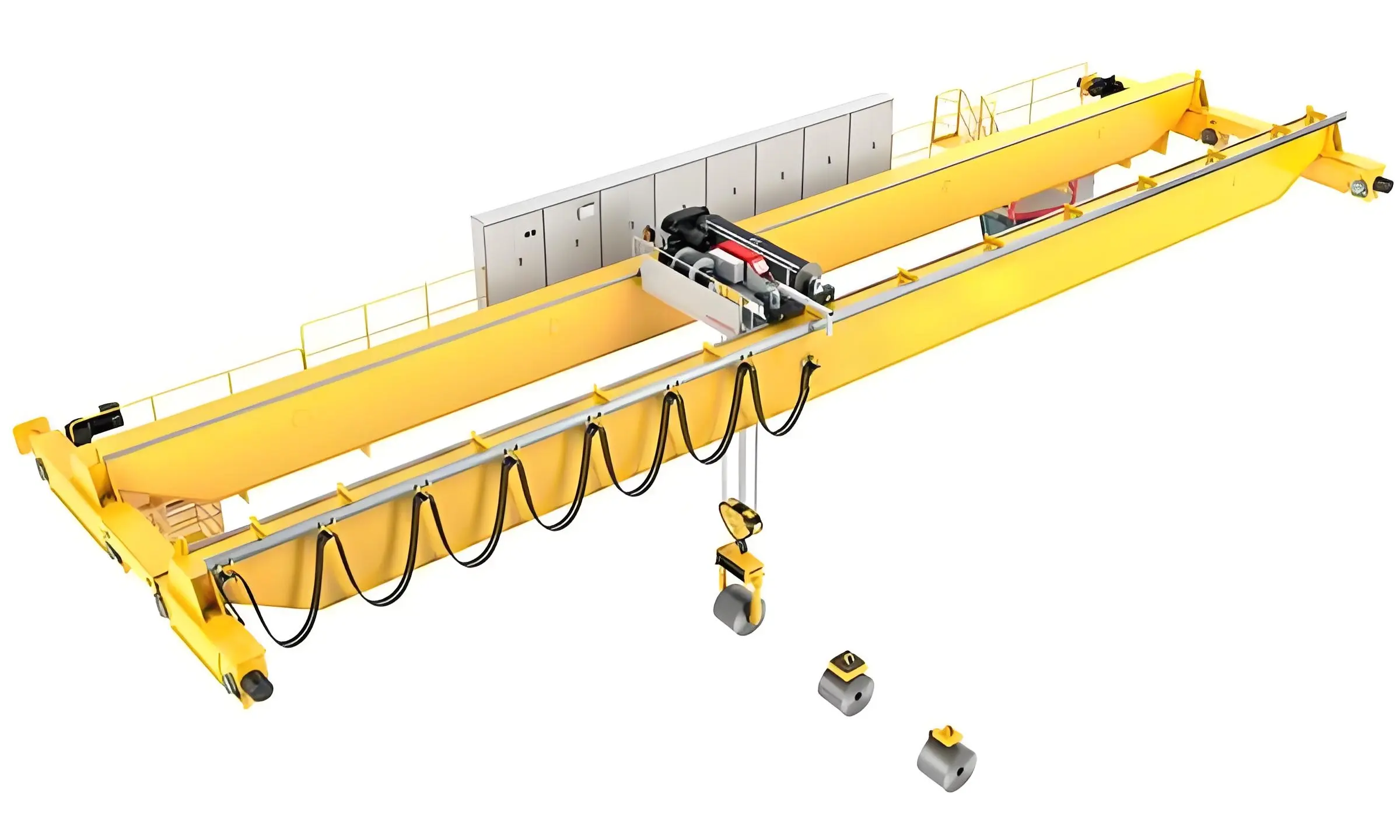
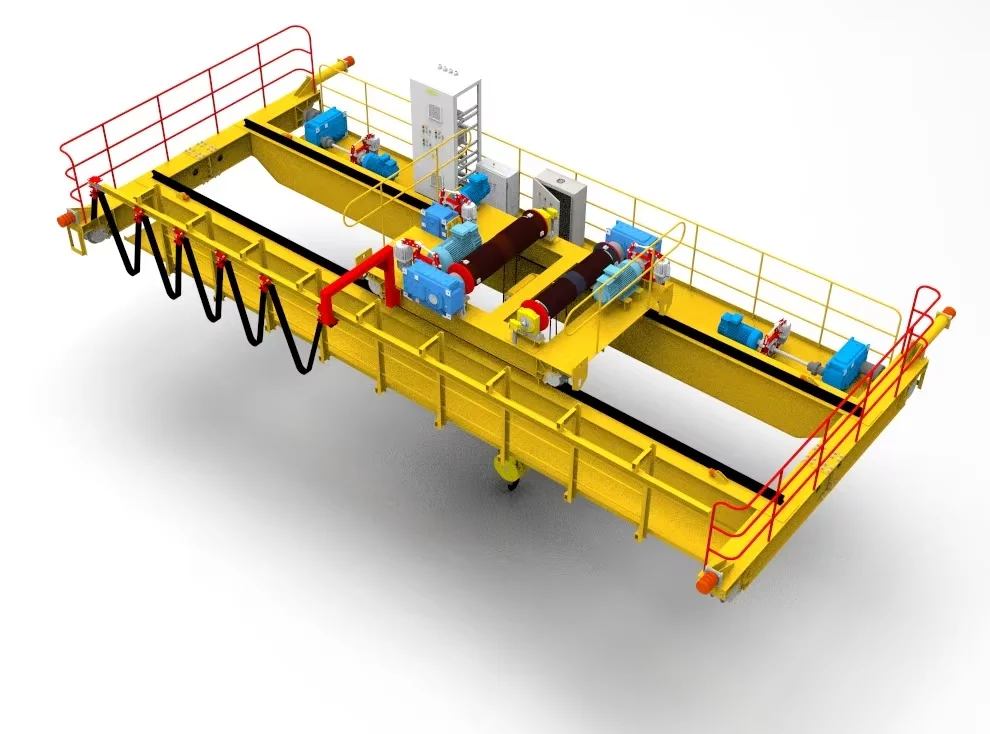
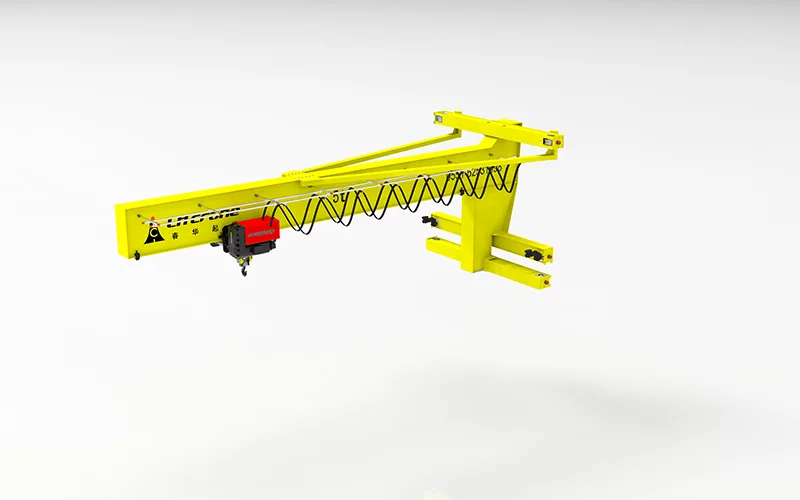
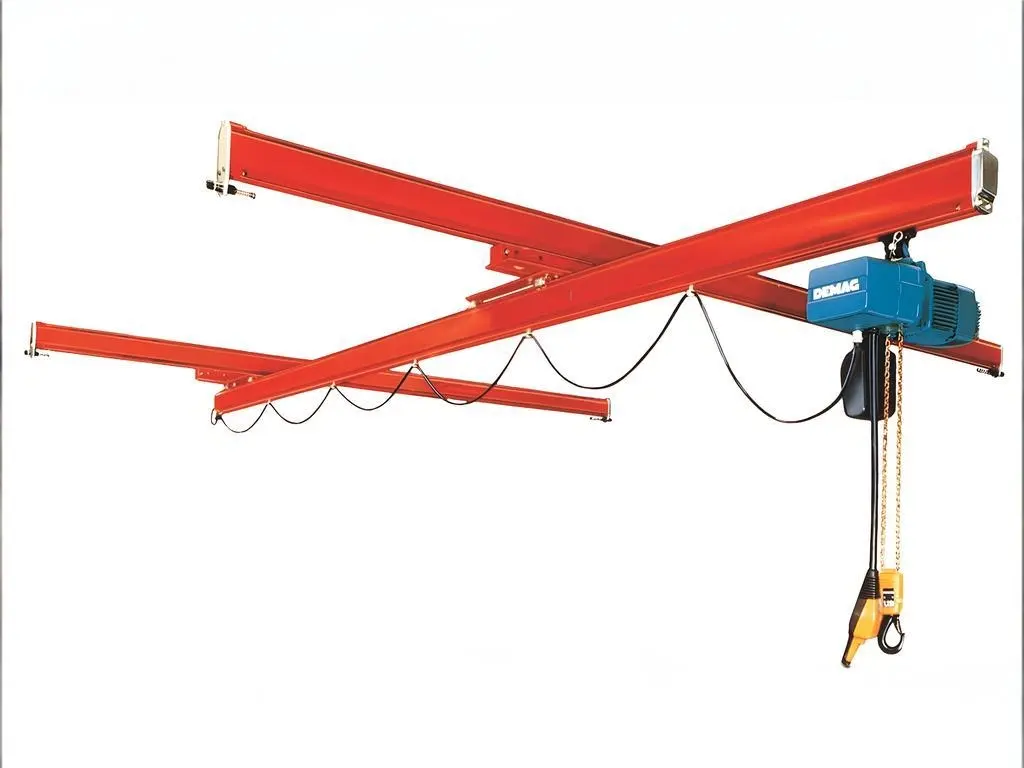
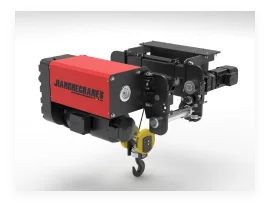
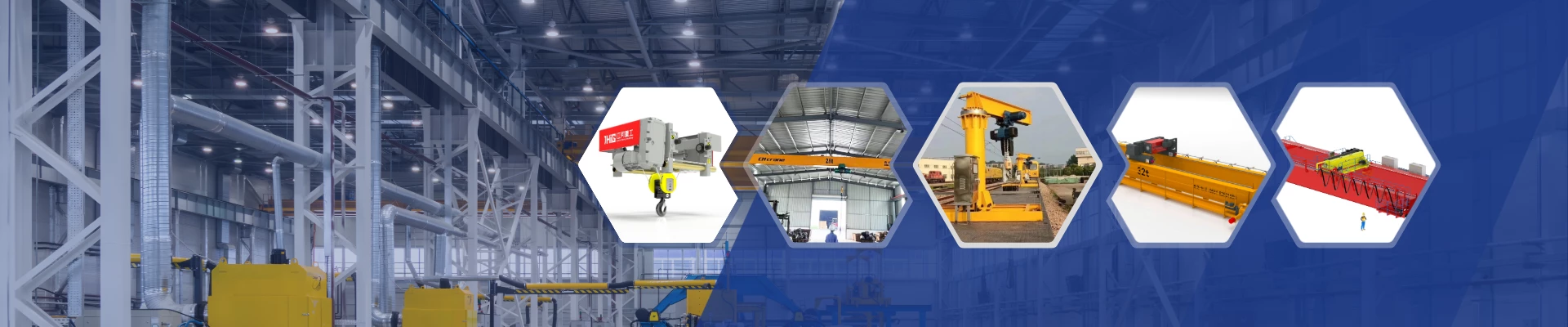
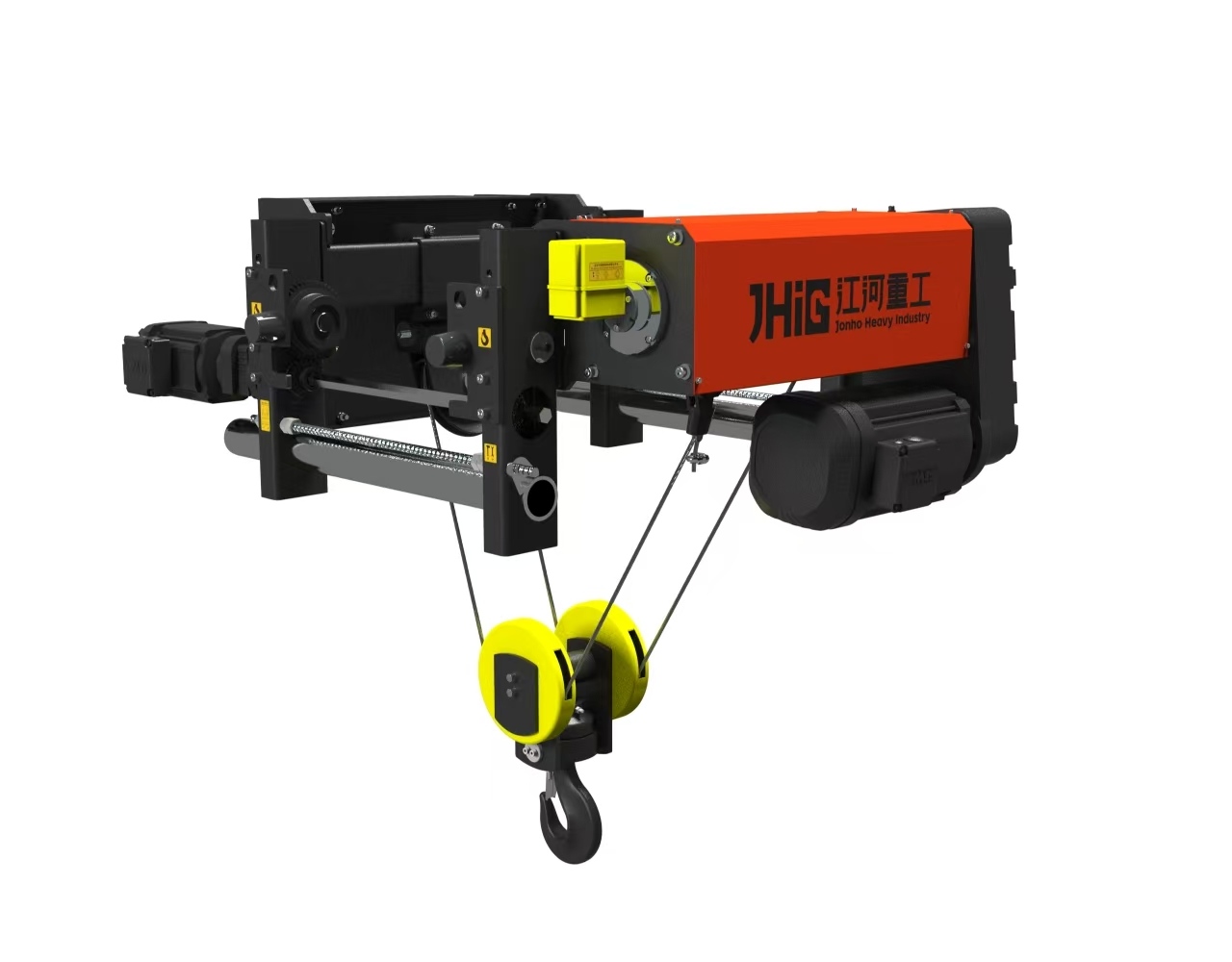
JHS European-style low headroom electric hoist is an efficient lifting device for space-constrained scenarios. Its parallel C-shaped layout of the motor, reducer, and drum compresses the overall height of the machine, maximizing the lifting limit of the hook. It uses lightweight materials and a compact structure, paired with a hard-toothed planetary gear reducer and dual-disc electromagnetic brakes, ensuring efficient transmission and reliable braking. Additionally, it features variable frequency speed control and overload protection, making it suitable for various environments like factories and warehouses, and is an optimal choice for improving lifting efficiency and safety in confined spaces.
Applicable Standards
ISO 4301 – Cranes Classification:Classification of cranes and hoisting equipment according to working conditions, load cycles, and duty requirements.
ISO 8686 – Cranes Design Principles:Design principles and calculation methods for crane structures and mechanical components to ensure safety and reliability.
ISO 9927 – Cranes Inspections:General requirements for crane inspections, including inspection procedures and safety checks.
ISO 12100 – Safety of Machinery:General principles for machinery safety design, risk assessment, and risk reduction.
Featured design
Low clearance space optimization: adopting a parallel C-frame structure, the drum is arranged in parallel with the motor through a reducer, greatly reducing the overall height of the machine. In scenarios where the factory clearance is limited, it maximizes the allowable lifting height of the hoist and improves space utilization.
Lightweight concept: A large amount of high-strength lightweight materials is used, such as aluminum alloy for manufacturing the motor casing, gearbox housing, etc., which not only reduces the equipment’s own weight but also lowers the pressure requirements on the supporting beams and the building’s roof, facilitating installation and equipment movement.
Variable frequency precise control design: Generally equipped with variable frequency speed regulation technology, it can flexibly adjust the lifting and operating speed according to the actual hoisting task, achieving soft start and soft stop. This not only makes the lifting and moving of heavy objects smoother but also allows for precise positioning when placing heavy objects.
Characteristic structure
Compact drive assembly: Based on compact drive components such as planetary gear reducers, the motor, reduction device, and drum are connected compactly, resulting in a short power transmission route, compact mechanism layout, and small equipment dimensions, making it suitable for installation and operation in narrow spaces.
Structural design of horizontal guiding wheels: The electric hoist is specially equipped with horizontal guiding wheels at both ends. During operation along the track, the guiding wheels can always maintain contact with the side of the track, guiding the hoist to move in a straight line along a predetermined path, preventing deviation and rail scraping, making the operation process more stable and reliable.
Reverse roller device:Abandoning the traditional heavy counterweight box, it uses a reverse roller mechanism. When the hoist is operating under load, the reverse roller can provide effective support and counterbalance force, ensuring that the equipment maintains balance during operation and lifting, thereby reducing the risk of shaking and tilting.
Basic configuration
Lifting power unit: Typically, either a dual-winding squirrel-cage pole-changing motor or a variable frequency motor is chosen. The former can achieve dual speed for both high and low, meeting the different needs for rapid lifting and precise fine-tuning; the latter has a wider speed range and higher control precision. The insulation class of the motor is generally grade F, and the protection level reaches IP54 or higher, suitable for complex industrial environments.
Speed reduction components: It often uses hard-toothed surface planet gear reducers or cylindrical gear reducers. The gears undergo carburizing quenching and high-precision grinding treatment, resulting in high surface hardness, wear resistance, and durability. The transmission efficiency can reach over 90%, and the operation noise is low. Most reducers can achieve a lifetime without oil change.
Brake safety equipment: Generally equipped with dual disc electromagnetic brakes, installed at the tail end of the motor, with instantaneous braking when power is cut off, a safety braking coefficient of not less than 1.8. and a minimum of 1 million braking cycles. It also features an automatic gap compensation mechanism that can provide automatic warning when the brake pads wear down to a critical value.
Electrical control components: Key elements of the electrical main circuit and control circuit are often sourced from internationally recognized brands such as Schneider. Components like contactors, relays, and circuit breakers are known for their stable performance, long contact life, high sensitivity, and strong interference resistance, ensuring the electrical system operates reliably over the long term.
Core Functionality
Safety Protection Features:Equipped with multiple safety assurance mechanisms, in addition to basic brakes, it generally includes an overload limiter that automatically cuts off the lifting circuit when the load exceeds the rated lifting capacity; up and down stroke limit switches that can promptly stop the hoisting action when the hook reaches the highest or lowest set position, preventing over-winding and over-releasing.
Fault diagnosis function:Some high-end products are equipped with intelligent fault diagnosis modules that can monitor parameters in real time, such as motor current, voltage, temperature, brake working status, and wire rope tension. Once an anomaly is detected, it can quickly determine the type and location of the fault and issue alarms through a display screen or indicator lights, facilitating maintenance personnel in repairs.
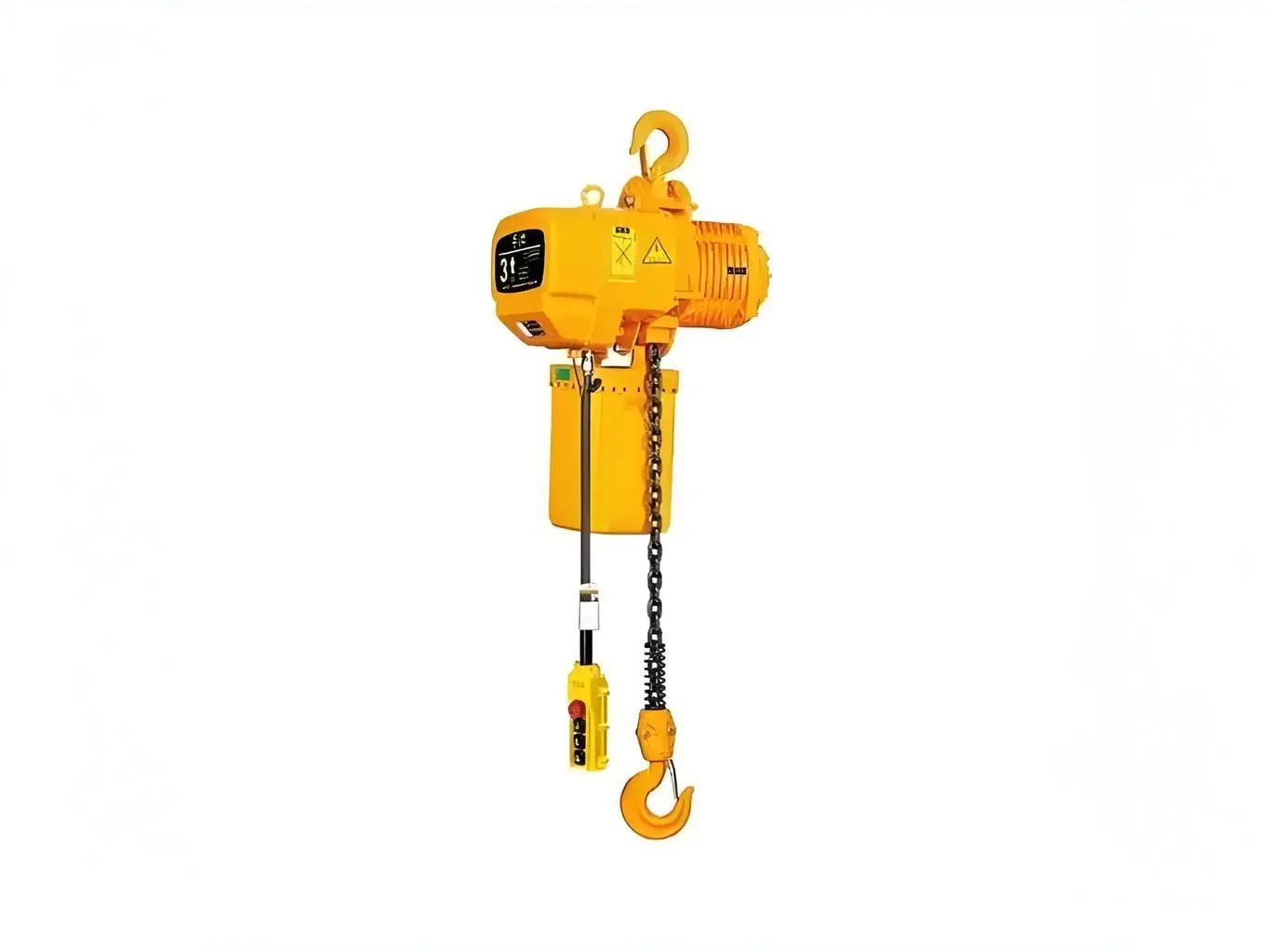
Convenient operation features: supports both wired joystick control and wireless remote control. The wireless remote allows the operator to control from a safe distance away from hazardous work areas, with an operational radius typically reaching several dozen meters. The layout of the control buttons is ergonomic, making operation easy and convenient, and allowing flexible execution of various actions such as lifting, lowering, and moving the hoist.