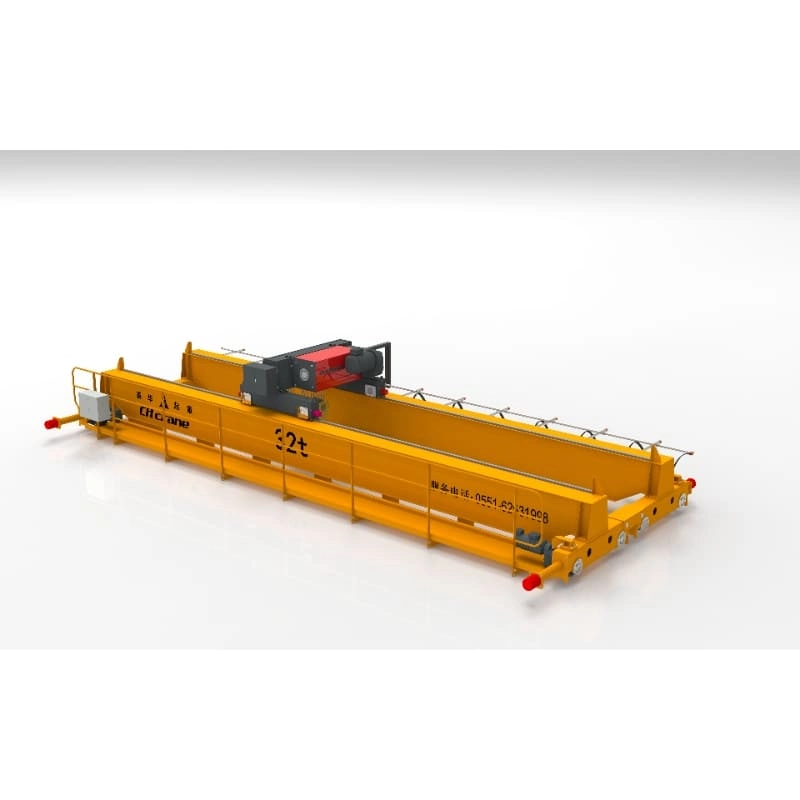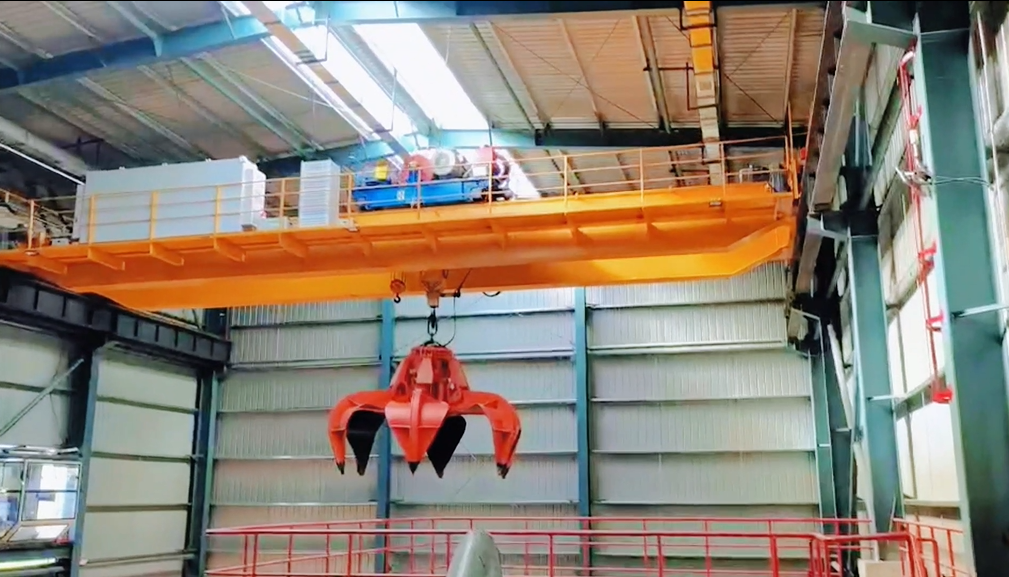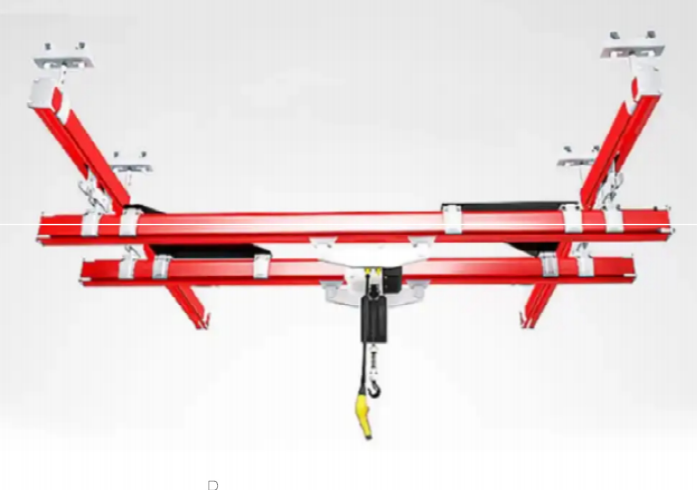


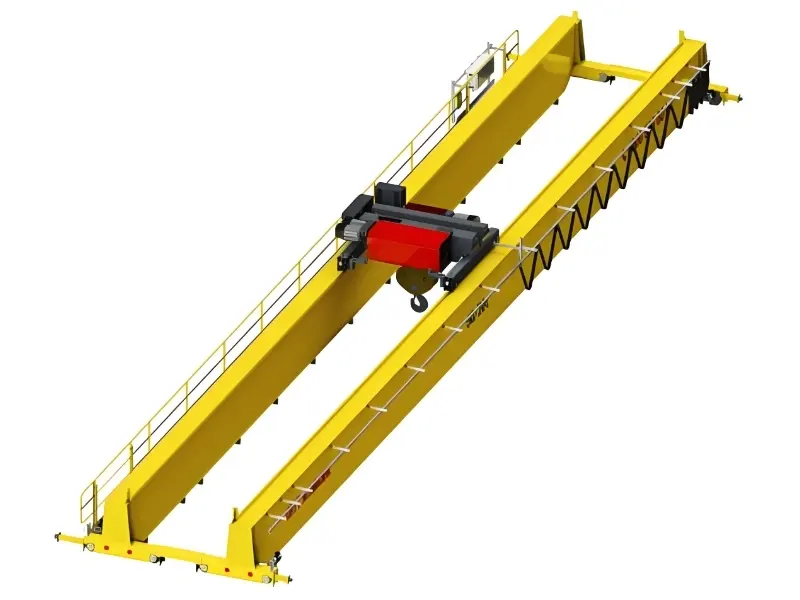
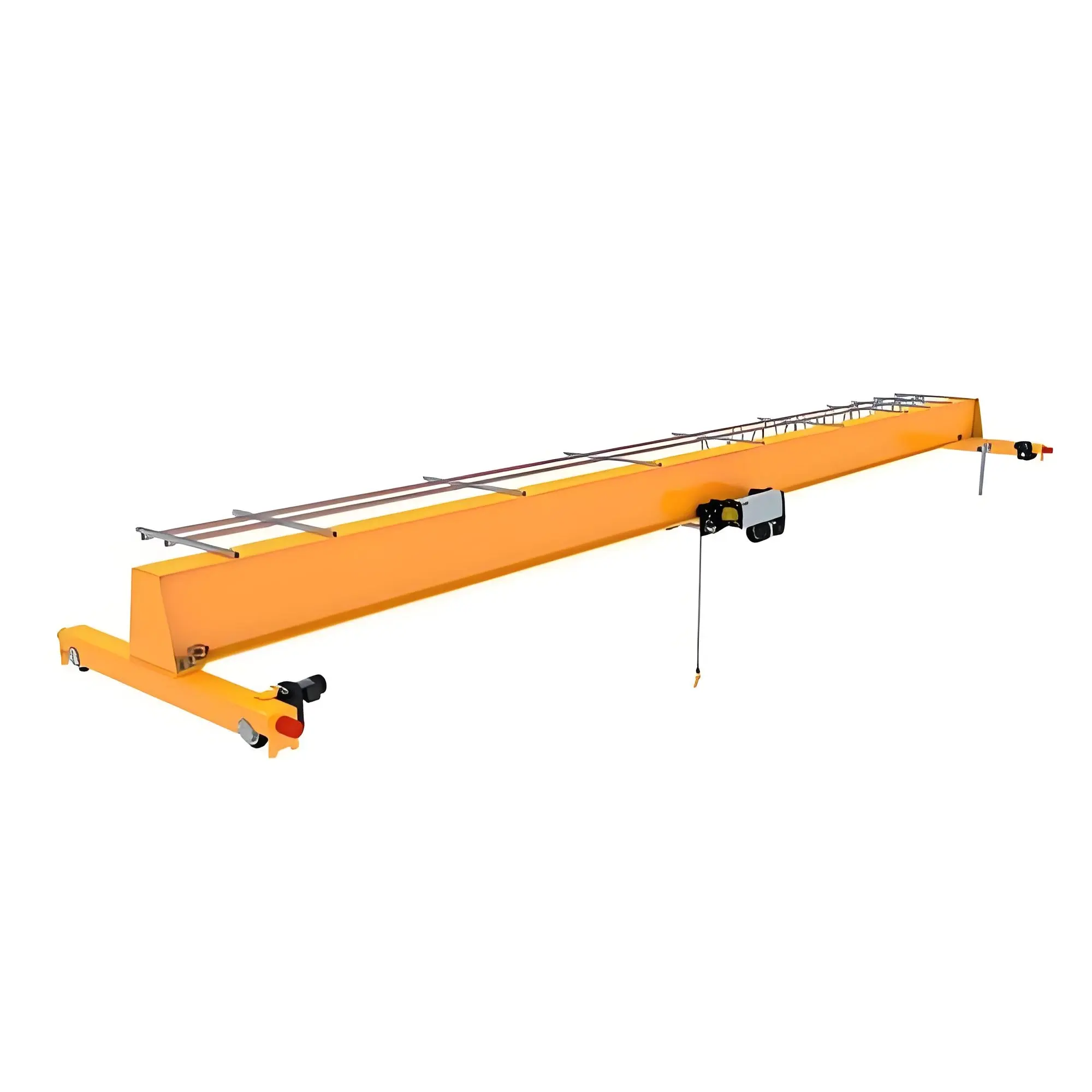
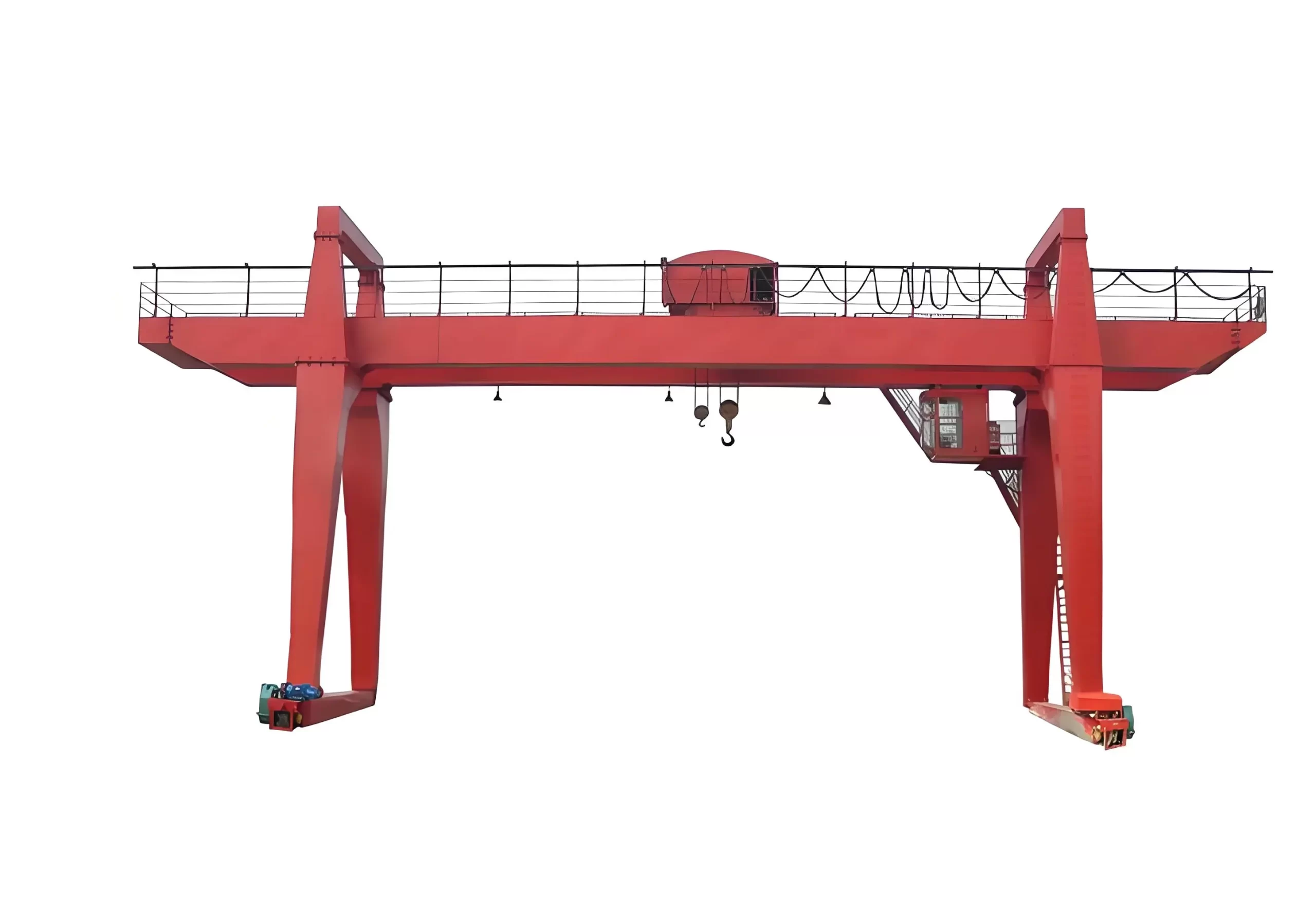
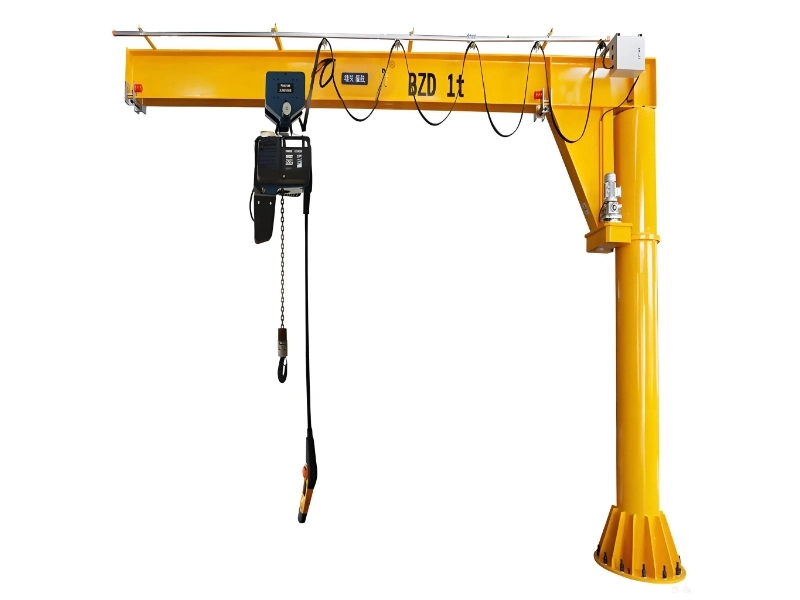
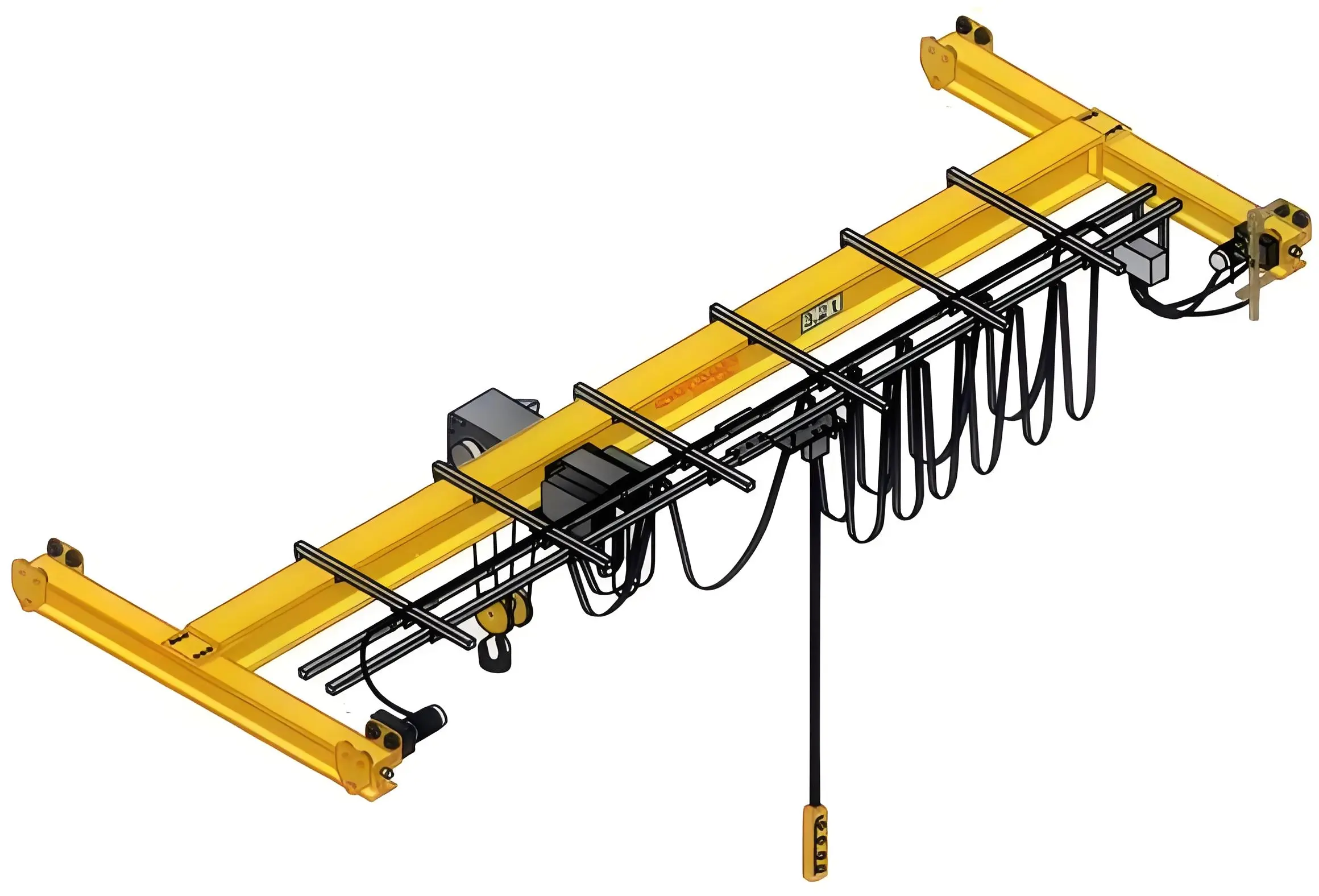
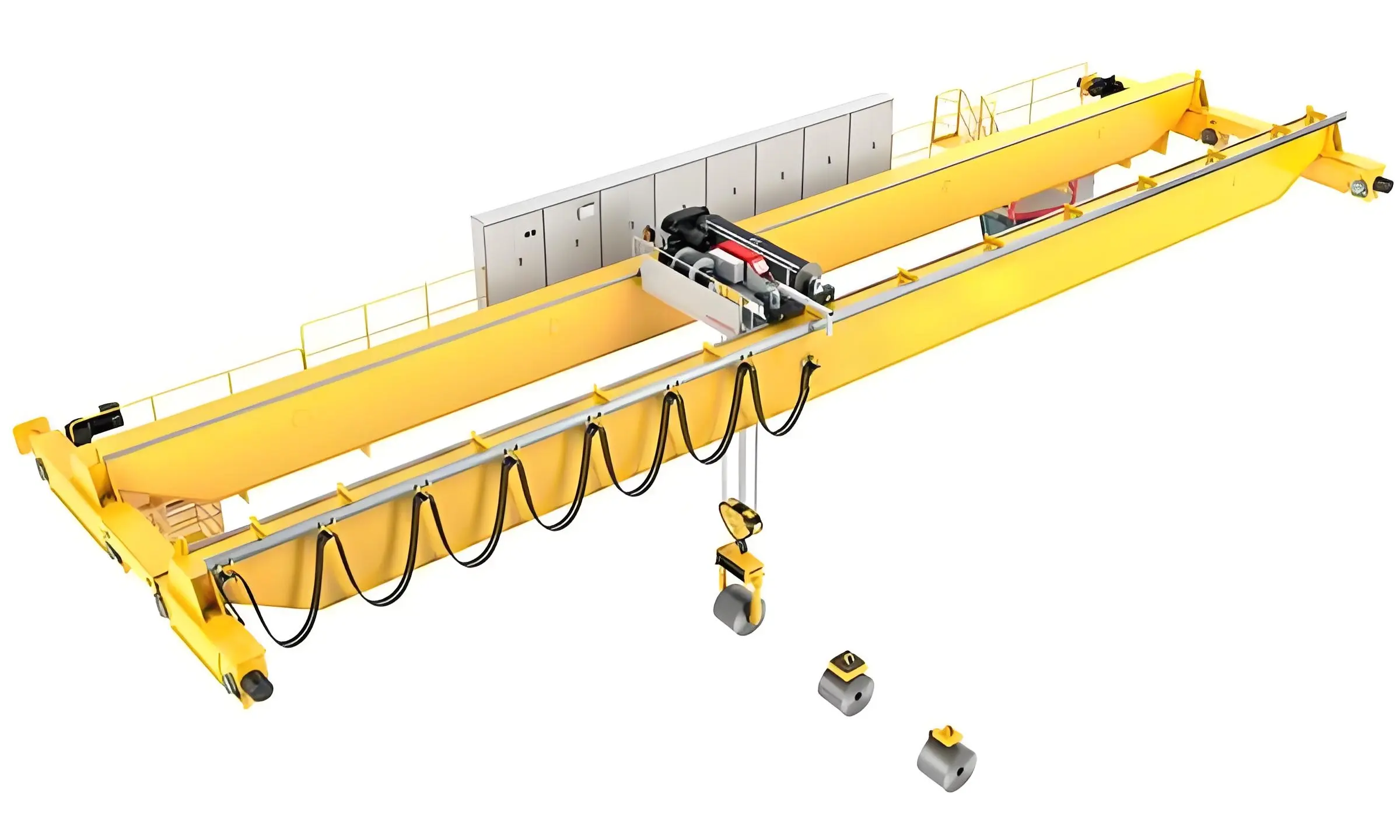
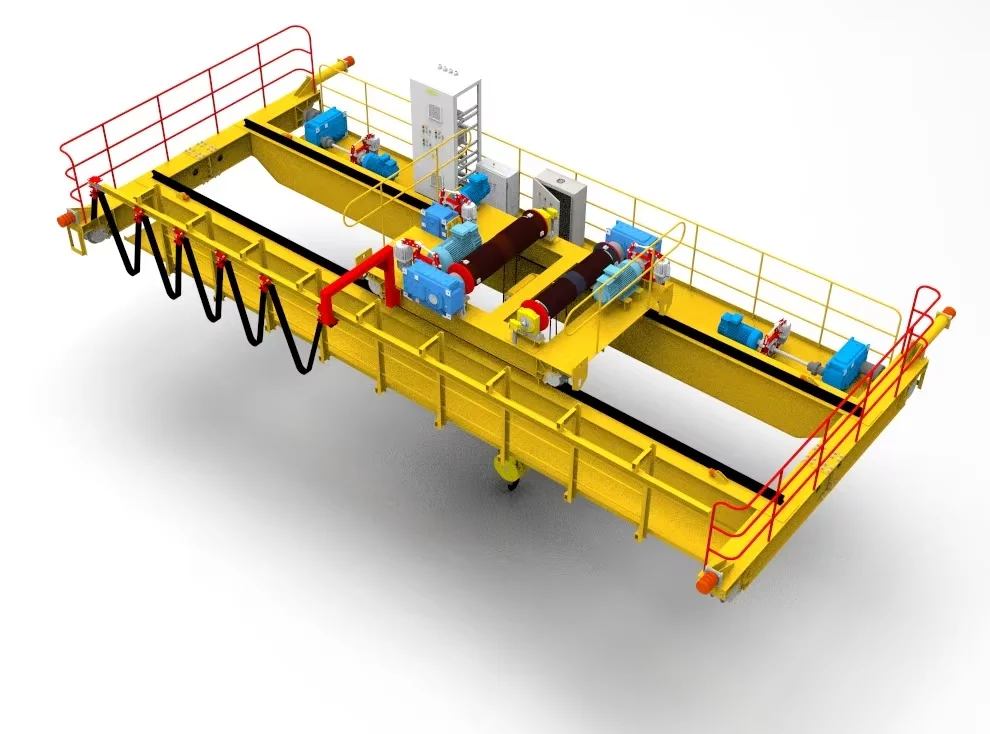
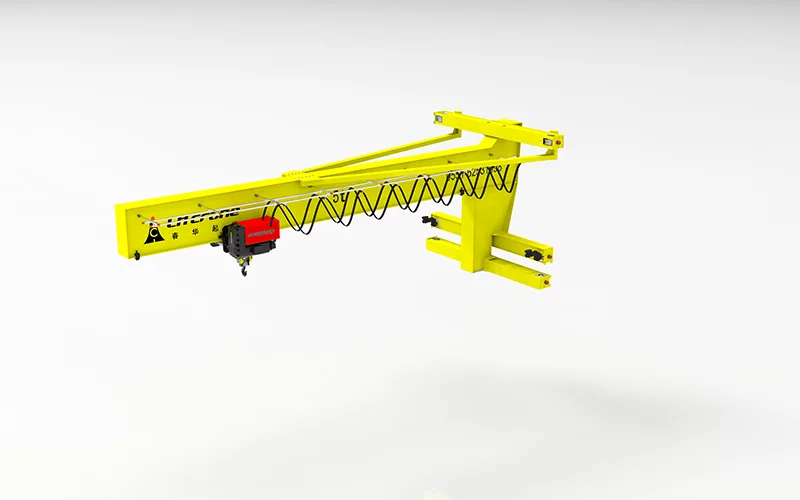
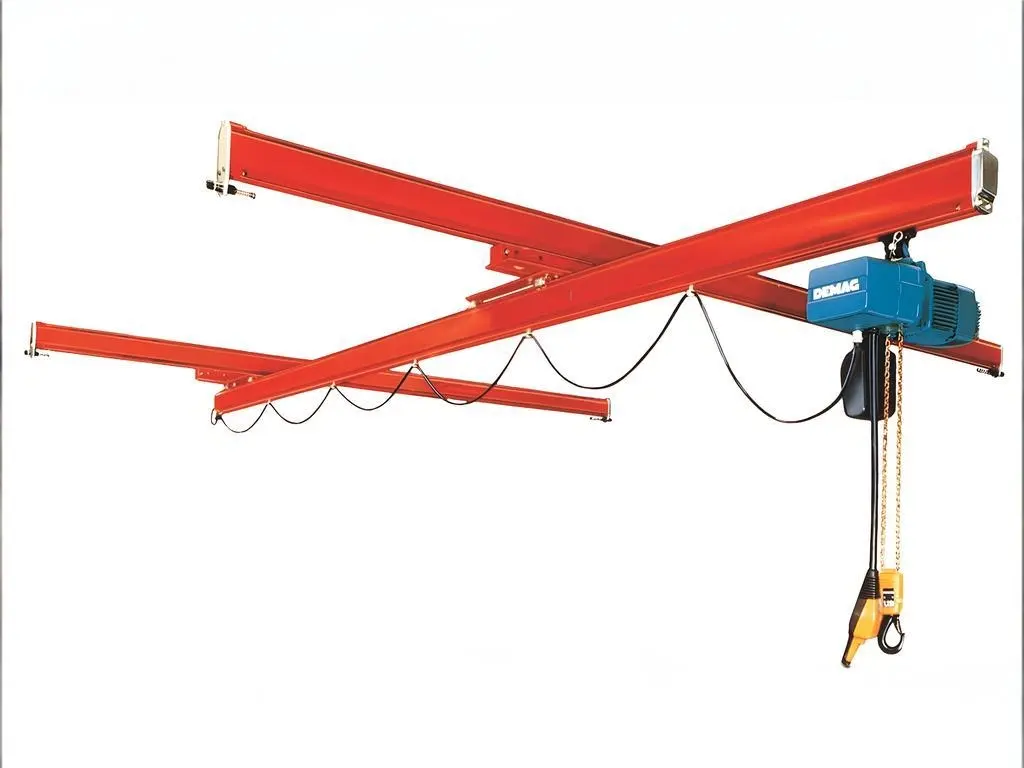
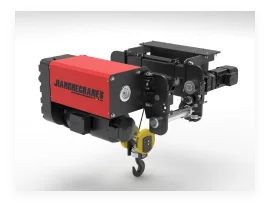
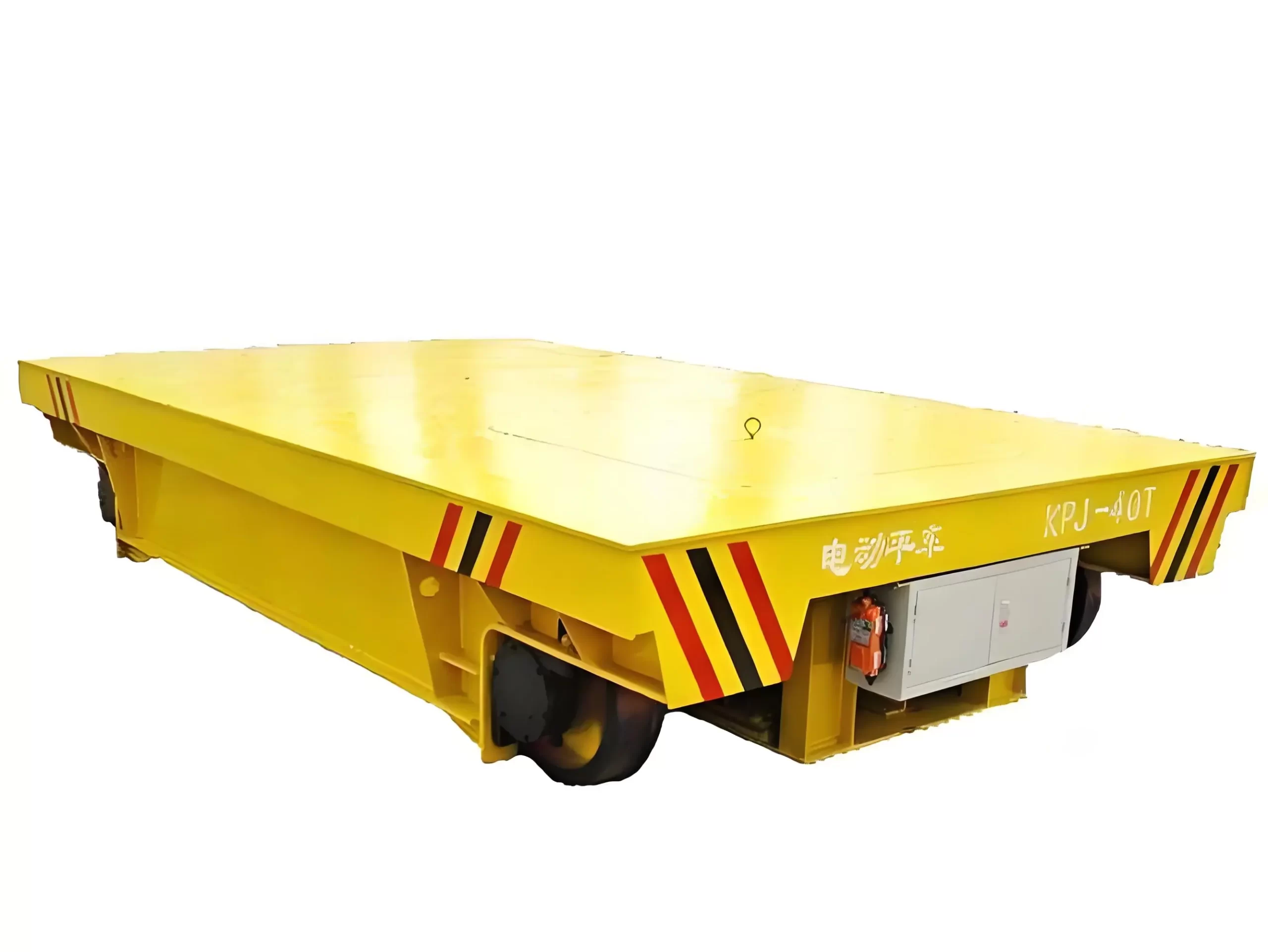
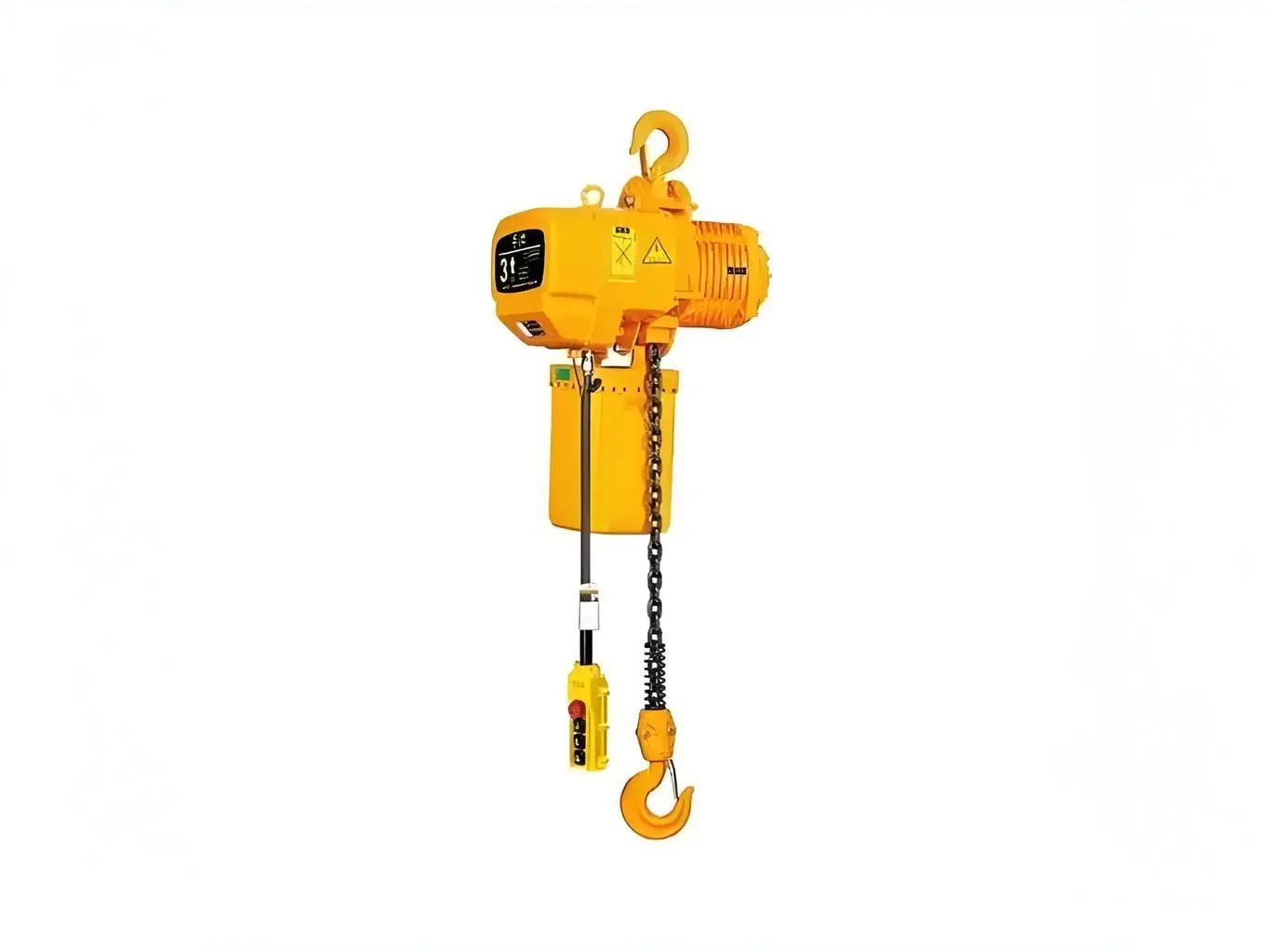
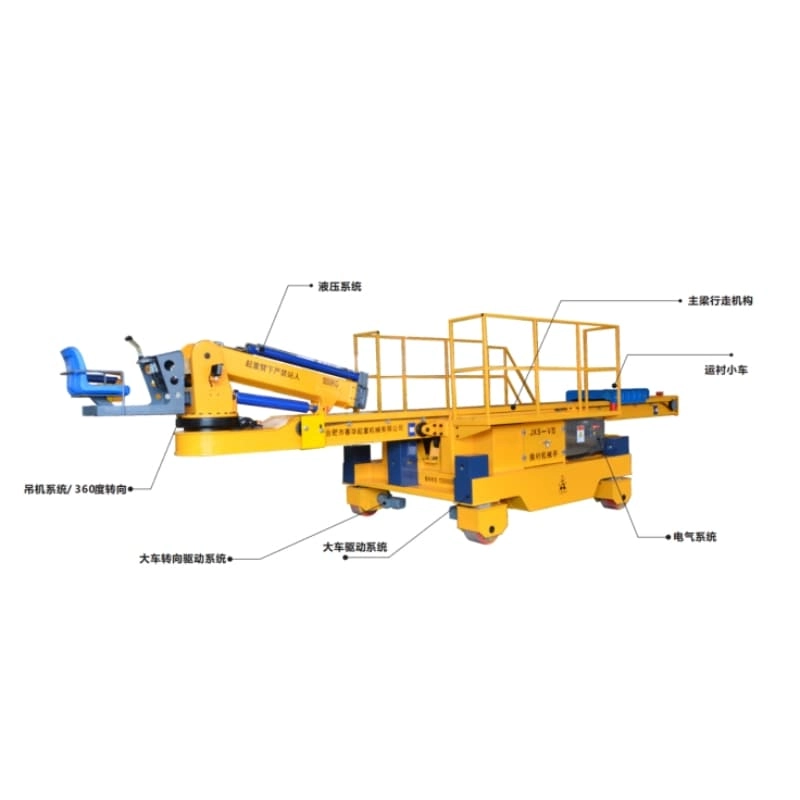
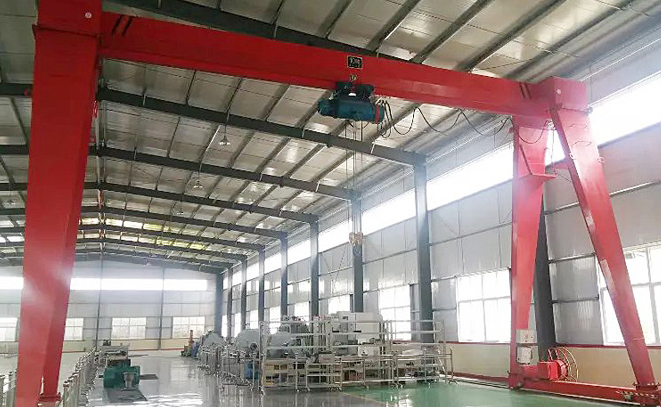
An electric hoist is a common piece of lifting equipment primarily composed of an electric motor, a reduction gearbox, gears, a brake, a chain or wire rope, and a control system. It is suitable for use in a wide range of settings, such as factories, warehouses, docks, construction sites, and for stage or film and television equipment. Operators control the unit via a handheld pendant or remote control to smoothly raise or lower loads vertically, thereby enhancing handling efficiency and safety. Additionally, electric hoists are equipped with safety features such as protective devices and limit switches to ensure reliable and safe operation. They offer a broad load capacity, capable of handling weights ranging from tens of kilograms to several tons, depending on the specific application.
I. Features:
Electric hoists are characterized by their compact size, light weight, simple operation, and ease of use. Furthermore, they feature a compact structure, a wide lifting capacity range (from 0.1 to 100 tons), and variable lifting heights (3 to 30 meters), enabling them to meet diverse and complex operational requirements.
II. Working Principle
The electric hoist operates by using an electric motor to drive the rotation of the hoist drum or sprocket, lifting or lowering the load via the lifting medium (chain or wire rope). The specific process is as follows:
Motor Control: Lifting heavy objects requires power, and the electric hoist’s motor serves as the primary drive source. Motor operation powers the entire hoist system.
Lifting Sprocket/Drum for Smooth Operation: The chain (or rope) acts as the connecting element and is a critical component of the lifting mechanism. The lifting sprocket or drum controls the chain or rope, ensuring smooth and stable operation.
Braking System: During or upon completion of the lifting process, the braking system engages automatically to halt movement and ensure operational safety.
III. Main Types
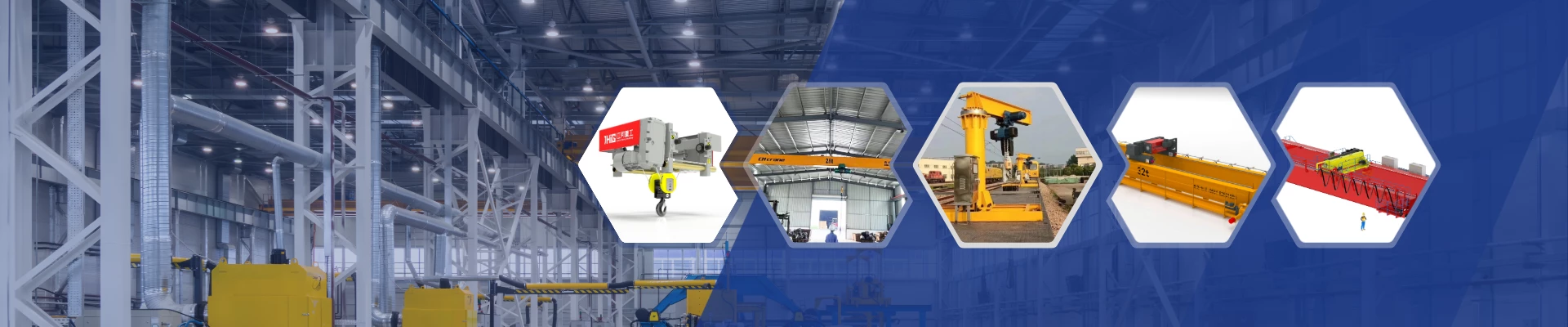
Electric hoists can be categorized into various types, including electric chain hoists, electric wire rope hoists, explosion-proof electric hoists, mini electric hoists, double-drum electric hoists, double-hook electric hoists, non-standard electric hoists, European-style electric hoists, group-lifting electric hoists, climbing scaffold electric hoists, multifunctional electric hoists, and metallurgical electric hoists.
IV. Application Areas
Electric hoists are widely used across various sectors, including but not limited to:
Manufacturing: Lifting and assembling heavy machinery and equipment on production lines—such as vehicle bodies and engines during automotive manufacturing.
Shipbuilding and Repair: Lifting heavy components like hulls and engines, as well as facilitating the rapid removal and replacement of equipment.
Construction Industry: Lifting heavy loads such as rebar and concrete components to improve construction efficiency and ensure worker safety.
Warehousing and Logistics: Assisting in the handling and stacking of goods—particularly heavy equipment and materials—to maximize storage space utilization and improve handling efficiency.
Mining Operations: Transporting ore, equipment, and other heavy loads.
Rural Areas: Lifting heavy agricultural equipment, animal feed, crops, and more.
Port Loading and Unloading: Lifting and moving containers to reduce operation time and enhance logistics efficiency.
Electric Power Industry: Lifting heavy equipment such as transformers and generators during installation and maintenance.
Electromechanical Maintenance: Quickly lifting equipment requiring repair to facilitate inspection and parts replacement by technicians.
Furniture, Renovation, and Moving: Assisting in moving heavy furniture and building materials, as well as lifting and relocating heavy items.
V. Usage Instructions and Precautions
Usage instructions are as follows:
Check all hoist components for proper function—ensuring safety devices and limit switches are intact and reliable—and clean/lubricate relevant parts.
Position the load stably at the lifting point and secure it firmly to prevent swaying or slipping during the lift.
Activate the electric hoist using the wired controller or remote control; wrap the chain around the load, adjust the lifting speed and height, and complete the lifting operation.
Ensure the hoist is operated by a designated person who adjusts operating parameters as needed to maintain safety and precision.
Precautions are as follows:
Conduct a thorough inspection before use; repair or replace equipment immediately if issues are detected.
Strictly prohibit overloading during operation to prevent accidents.
Never leave the load unattended while it is being lifted; take appropriate protective measures for fragile items. In busy work environments, maintain a safe distance from other machinery and personnel to prevent accidents.
Perform regular maintenance and replace worn-out components.
Carry out maintenance, replacement, and cleaning tasks in accordance with the manufacturer’s instructions and relevant standards.
VI. Advantages and Disadvantages
Advantages: Electric hoists offer benefits such as compact size, light weight, simple operation, ease of use, and high lifting efficiency.
Disadvantages: Some types of electric hoists may suffer from drawbacks such as large dimensions (length and width), bulky construction, low mechanical efficiency, and manufacturing difficulties.
In summary, the electric hoist is a lightweight and versatile lifting device with a wide range of applications and significant advantages. When selecting and using an electric hoist, the appropriate type and specifications should be chosen based on specific operational requirements and the work environment.