

Origin
KBK is derived from the German term “Kombiniert Kran,” meaning a combined crane system. The system originated in Europe and was introduced into China in the 1990s. It was originally developed and patented by the German company DEMAG. After the patent expired, similar designs were adopted and developed by numerous crane manufacturers. Since the 2000s, KBK crane systems have been widely used in China.
Naming and Definition
KBK crane systems generally have a lifting capacity of no more than 2 tonnes. As there are currently numerous KBK manufacturers worldwide, with varying levels of product quality and installation services, a unified industry standard and naming convention for KBK systems has not been consistently established in China.
As a result, “KBK crane” is commonly used in China as a general term for lightweight material handling cranes, typically with a lifting capacity of up to 2 tonnes.
Main Components and Structure
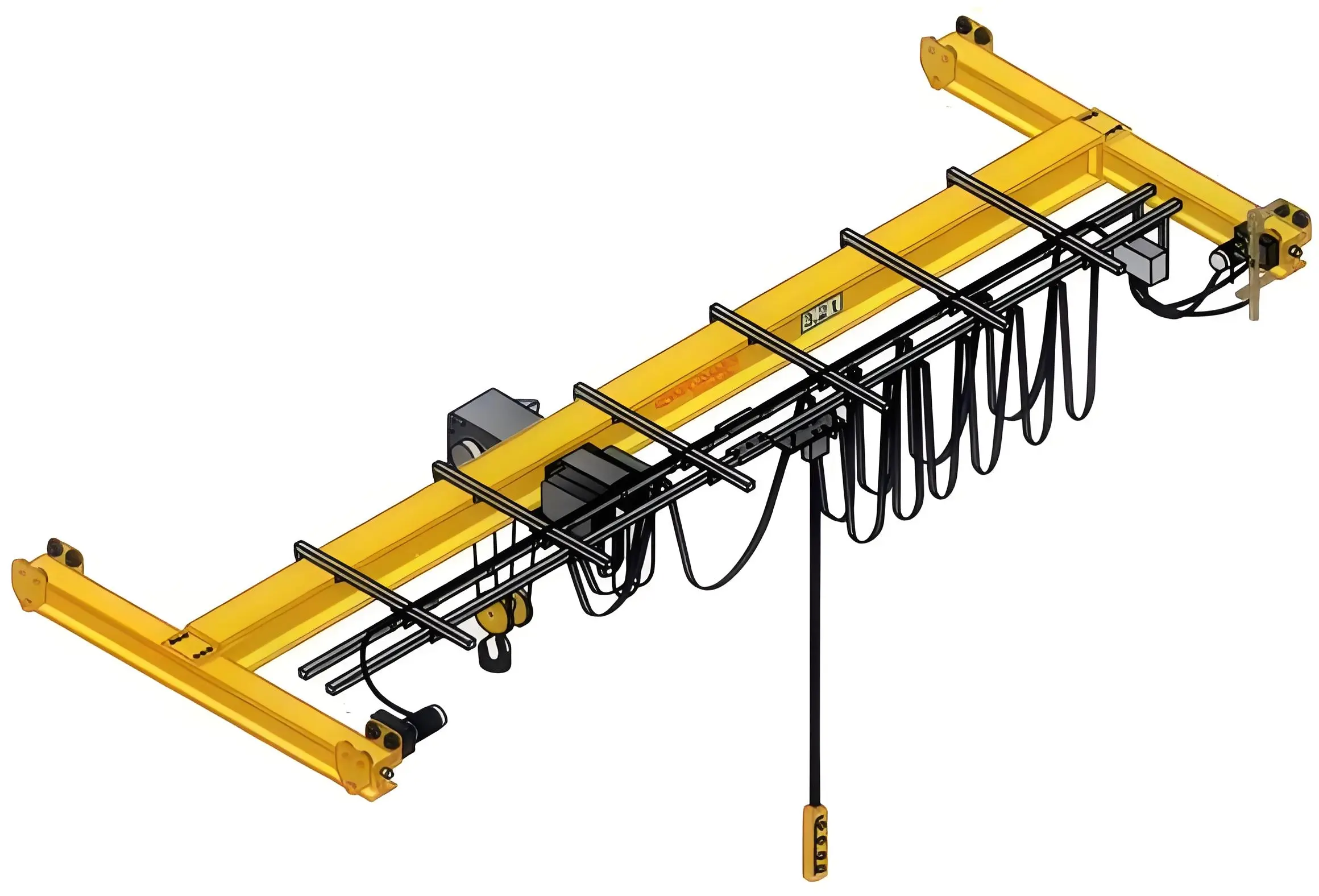
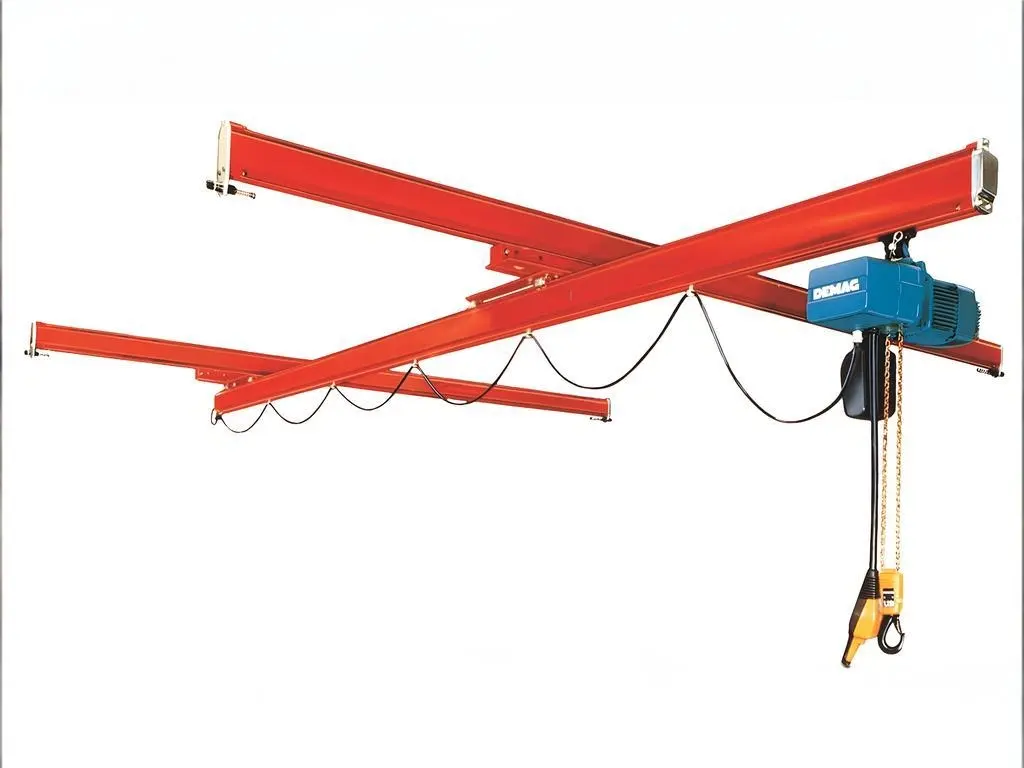
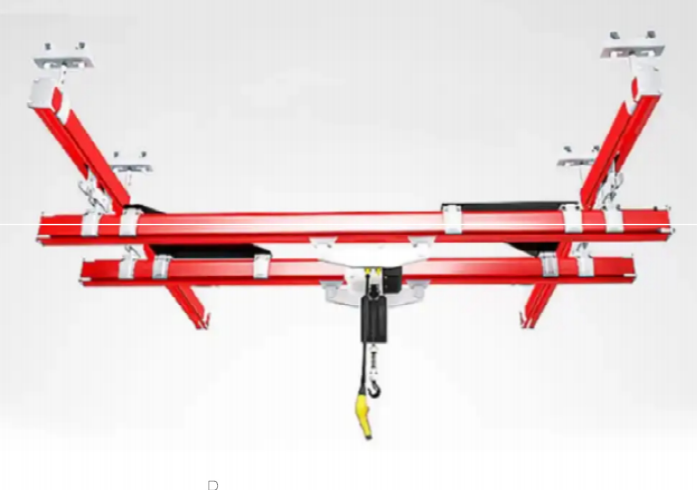
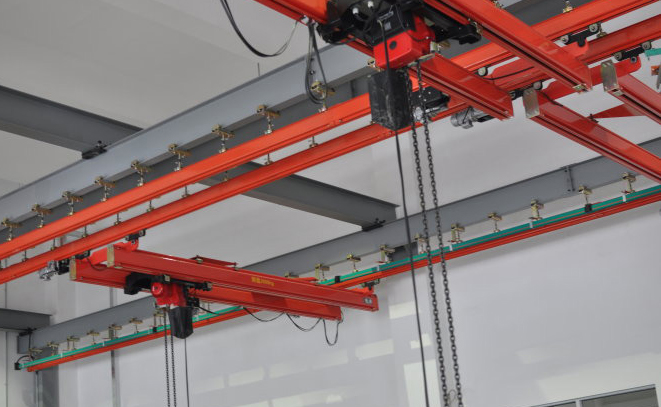
A KBK crane system mainly consists of tracks, suspension units, travelling trolleys, lifting devices, and various functional components. All major components are standardized modules that can be freely configured and assembled according to the layout and requirements of the workshop.
The track system uses enclosed-section tracks, including straight and curved sections. Depending on the system design, the track profile may be Ω-shaped or C-shaped. Common track materials include steel and aluminum alloy. As standardized components, the tracks can be assembled into various configurations, including single-track, multi-track, curved, and closed-loop systems, according to the required material handling route.
Suspension units are generally installed beneath I-beams, H-beams, or concrete beams. They are designed to provide secure attachment and facilitate convenient installation.
Travelling trolleys are mounted inside or along the crane track and provide movement in the required directions. Depending on the application, the trolley can be operated manually or electrically.
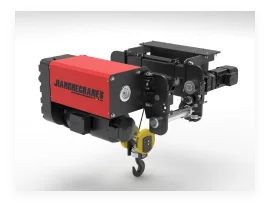
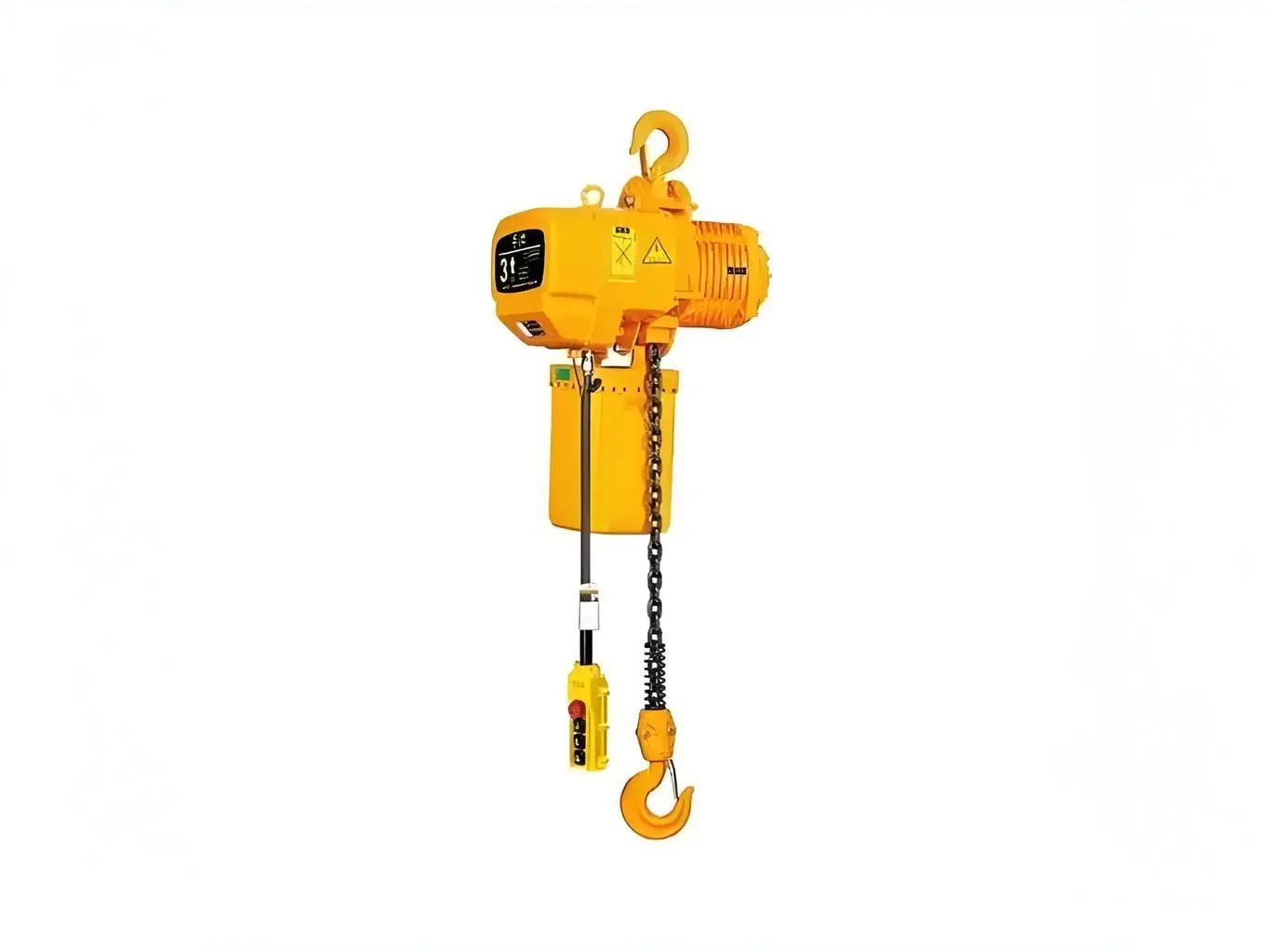
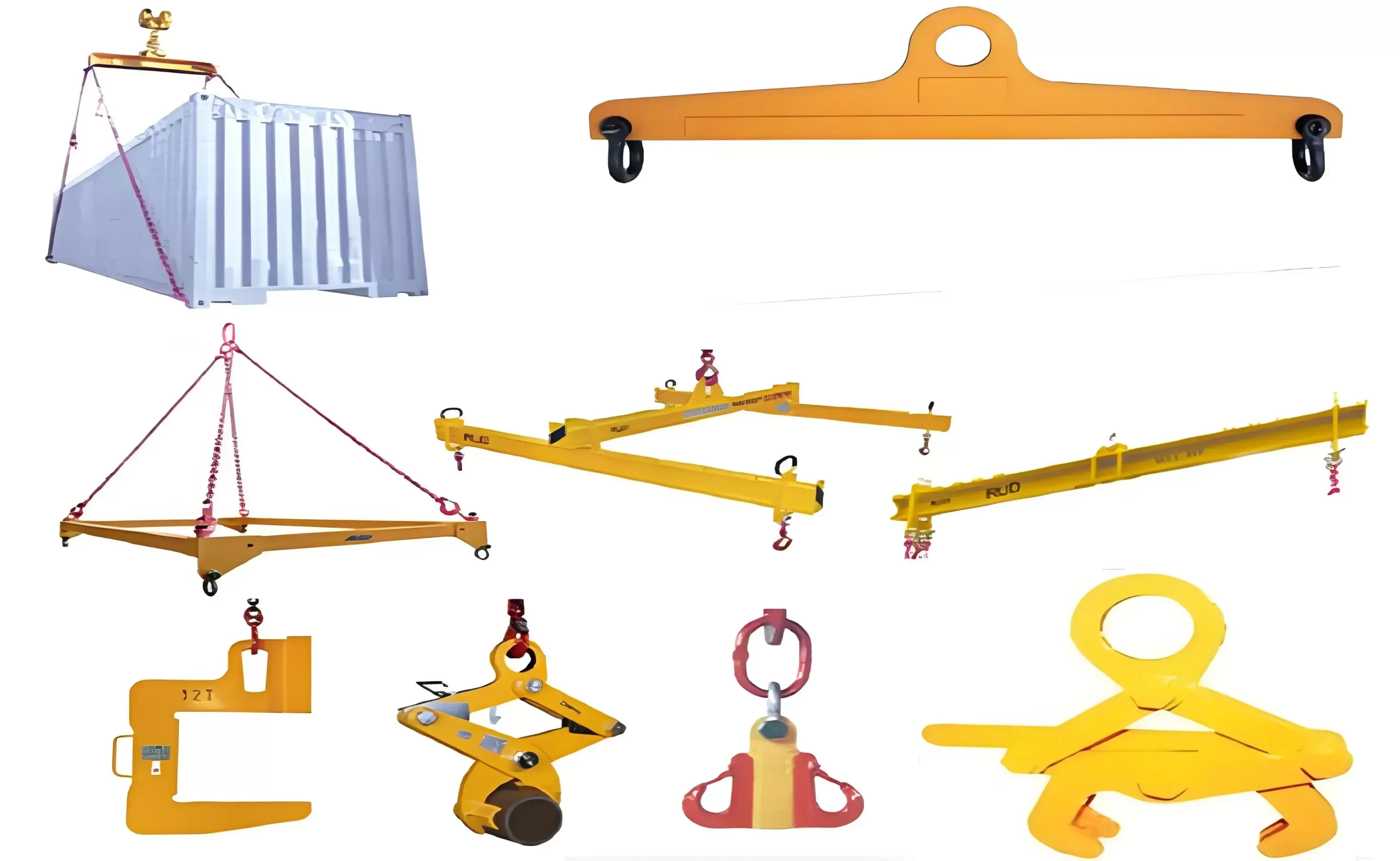
The lifting device is typically an electric wire rope hoist, electric chain hoist, pneumatic balancer, or intelligent lifting device, often used together with suitable lifting attachments.
Classification
According to their structural design, KBK crane systems can generally be classified into flexible KBK systems and rigid KBK systems. The primary differences lie in the track structure and suspension method.
In terms of track structure, flexible KBK systems typically use an Ω-shaped track profile, traditionally formed by welding two steel sections together. Rigid KBK systems generally use a C-shaped steel profile manufactured through a single cold-forming process.
The suspension methods also differ. A flexible connection allows relative displacement or angular movement between connected components, allowing a certain degree of deformation within the system. In contrast, a rigid connection is designed to minimize relative displacement or deformation between connected components when subjected to loads or movement, effectively forming an integrated structure.
Common rigid connection methods include steel plates and bolted connections, while the track and supporting beam can also be secured using dedicated sleeves or locking components.
Key Advantages
1. Flexible Layout
KBK systems are composed of standardized modules that can be configured and installed according to the actual conditions of the workshop. The track layout can be flexibly designed to suit different production processes and material handling requirements, making KBK cranes suitable for a wide range of working environments.
2. Safe and Reliable Operation
KBK components are designed for convenient assembly and high interchangeability, enabling efficient material handling within designated working areas. The relatively lightweight structure and easy-to-operate travelling trolley allow operators to move heavy workpieces efficiently, including through manual operation where appropriate.
3. Economical and Efficient
KBK crane systems can be suspended from the existing structure of a workshop or warehouse, such as roof beams and supporting structures, without requiring extensive additional supporting structures in suitable applications. This helps reduce installation costs while maintaining effective lifting performance.
Overall, KBK systems provide a cost-effective and efficient solution for light-duty material handling.
In summary, KBK crane systems offer modular construction, flexible track configurations, convenient installation, and economical operation, making them well suited to a wide range of material handling applications.
Whether used in production lines, assembly workshops, warehouses, logistics areas, or workstation-to-workstation material handling, KBK cranes provide a flexible, precise, and efficient lifting solution, supporting reliable material handling and improving productivity in modern industrial environments.